การเปลี่ยนแปลง สล็อตออนไลน์ จากจุดเริ่มต้น ถึงวันนี้ 2026 ครบทุกมิติ

เมื่อเทคโนโลยีก้าวหน้าไปอย่างรวดเร็ว เกมคาสิโนแบบดั้งเดิม ถูกแปลงโฉมและยกระดับ ให้เข้ากับเทคโนโลยีปัจจุบัน โดยเฉพาะเกม สล็อตออนไลน์ ซึ่งวิวัฒนาการจากเครื่องสล็อตแบบคันโยก เข้าสู่ยุคออนไลน์อย่างสมบูรณ์แบบ ในยุค 2026 เราจะพาคุณไปสำรวจ พัฒนาการอันก้าวหน้าของ สล็อตออนไลน์ รวมถึงดูว่าเทคโนโลยีอะไร ที่ทำให้เกมนี้ยังคงเป็นที่นิยมและน่าสนใจ สำหรับนักเดิมพันทั่วโลก

จุดเริ่มต้น รำลึกยุคแรก เกี่ยวกับ สล็อตออนไลน์

ก่อนเป็น สล็อตออนไลน์ อย่างที่คุ้นเคยในวันนี้ ตู้สล็อตต้นกำเนิดเริ่มมีขึ้น ช่วงปลายศตวรรษที่ 19 ด้วยกลไกง่ายๆ ที่ใช้คันโยกและวงล้อสามวง เกมสล็อตเป็นที่แพร่หลายอย่างรวดเร็ว ตามแหล่งคาสิโนและบันเทิงทั่วโลก การเปลี่ยนสู่โลกดิจิทัลเริ่มขึ้น เมื่อคอมพิวเตอร์เริ่มเข้ามาในชีวิตประจำวัน ช่วงปลายศตวรรษที่ 20 ด้วยการสร้างกราฟิกและเสียงแบบดิจิทัล ทำให้เกมสล็อตแบบตู้เริ่มมีหน้าจอวิดีโอและฟีเจอร์ที่ซับซ้อนมากขึ้น

เมื่ออินเทอร์เน็ตเริ่มแพร่หลาย ในช่วงปี 1990 เกม สล็อตออนไลน์ รุ่นแรกๆ สมัครสล็อต ได้ถือกำเนิด มันเป็นจุดเริ่มต้นของการเปลี่ยนแปลงครั้งใหญ่ ทำให้ผู้เล่นเข้าถึงเกมได้ตลอด 24 ชม. ไม่ว่าจะอยู่ที่ไหน ไม่ต้องเสียเวลาไปคาสิโนจริง แม้ในยุคแรกเริ่มกราฟิกอาจจะยังไม่สวยงามเท่าปัจจุบัน ทว่าเป็นการปูทางที่สำคัญสำหรับการพัฒนา สล็อตออนไลน์ สู่ความก้าวหน้าจนถึงปี 2026

การปรับเปลี่ยน สู่ยุคดิจิทัล สล็อตออนไลน์ ปี 2026 นี้

ในยุค 2026 นี้ สล็อตออนไลน์ ก้าวหน้าไปถึงขีดสุด ทั้งในแง่เทคโนโลยี การใช้งาน และประเภทเกมที่หลากหลาย

เทคโนโลยีเบื้องหลัง สล็อตออนไลน์

แกนหลักของ สล็อตออนไลน์ ยุคใหม่คือเทคโนโลยี RNG ซึ่งรับประกันความยุติธรรมของเกม กับผลลัพธ์การสุ่มที่เชื่อถือได้ นอกจากนี้ เทคโนโลยีกราฟิก 3 มิติ และเสียงเอฟเฟกต์ที่สมจริง ทำให้การเล่นมีประสบการณ์ที่เหนือชั้นกว่าเดิม การประมวลผลที่ไวทำให้เล่นได้อย่างลื่นไหล ไม่ติดขัด ถึงแม้เกมจะมีกราฟิกที่ซับซ้อน

ความหลากหลาย ในด้านเกมและเนื้อเรื่อง

สิ่งหนึ่งที่ทำให้ สล็อตออนไลน์ ยังคงได้รับความนิยม คือเกมและธีมที่หลากหลายไม่รู้จบ ไม่ว่าจะเป็นธีมอียิปต์ อวกาศ แฟนตาซี หรือวัฒนธรรมป๊อป แต่ละผู้ให้บริการเกมพยายามสร้างสรรค์สิ่งใหม่ๆ พร้อมฟังก์ชันพิเศษหลากหลาย เช่น ฟรีสปิน ตัวคูณรางวัล หรือมินิเกม เพื่อเพิ่มโอกาสในการชนะและสร้างความตื่นเต้นไม่รู้จบ ผู้เล่นสามารถค้นหา เกมสล็อตยอดนิยม ที่มีให้เลือกเล่นมากมายตามความชอบส่วนตัว

ช่องทางที่เข้าถึงได้ และแพลตฟอร์มที่ทันสมัย

ในยุค 2026 การเข้าถึง สล็อตออนไลน์ เป็นเรื่องง่ายดายยิ่งกว่าที่เคย เว็บสล็อต จากสมาร์ทโฟนและแท็บเล็ตที่แพร่หลาย แพลตฟอร์มส่วนมากสนับสนุน สล็อตมือถือ ได้ดีเยี่ยม เล่นผ่านเบราว์เซอร์หรือแอปเฉพาะ แพลตฟอร์มเหล่านี้สร้างมาให้ใช้สะดวก ตอบสนองเร็ว และมีระบบจัดการบัญชีที่สะดวกสบาย ผู้เล่นสามารถเลือกใช้บริการจาก สล็อตเว็บตรง ที่ได้รับความนิยมเพราะมีมาตรฐานและบริการเชื่อถือได้ นอกจากนี้ การ สมัครสล็อต ก็ใช้เวลาเพียงไม่กี่นาที ช่วยให้ผู้เริ่มเล่นใหม่สามารถสนุกได้ในเวลาอันสั้น

ประโยชน์และความน่าสนใจ สำหรับ สล็อตออนไลน์

สล็อตออนไลน์ มีข้อดีหลายประการ ที่ทำให้ผู้เล่นจำนวนมากเลือกที่จะใช้เวลาว่างไปกับเกมเหล่านี้

ช่องทางสร้างรายได้ และสิทธิพิเศษ

สล็อตออนไลน์ เกม สล็อตออนไลน์ หลายเกมถูกออกแบบมาให้ชนะง่าย หรือที่เรียกว่า สล็อตแตกง่าย นั่นคือผู้เล่นมีโอกาสได้เงินรางวัลบ่อยครั้ง นอกจากนี้ ยังมีระบบโบนัสและ โปรโมชั่นสล็อต ที่น่าสนใจมากมาย ไม่ว่าจะเป็นโบนัสแรกเข้า ฟรีสปิน หรือโบนัสเมื่อฝากเงิน ช่วยเพิ่มคุณค่าให้กับการลงทุน และเพิ่มโอกาสสร้างกำไรที่สูงขึ้น

เล่นง่ายสบาย และอิสระในการเล่น

ข้อได้เปรียบที่สำคัญที่สุดคือความสะดวกสบาย ผู้เล่นสามารถเข้าถึงเกม สล็อตออนไลน์ สามารถเล่น สล็อตออนไลน์ ได้ตลอดเวลา 7 วันต่อสัปดาห์ ทั้งที่บ้าน ที่ทำงาน หรือแม้แต่ตอนเดินทาง แค่มีอินเทอร์เน็ตก็สนุกกับเกมได้เลย ไม่ต้องเสียเวลาเดินทางไปยังคาสิโนจริงอีกต่อไป

ความสมจริงในการเล่น กับคุณสมบัติใหม่ล่าสุด

เมื่อเทคโนโลยีก้าวหน้าอย่างก้าวกระโดด ทำให้ สล็อตออนไลน์ ในปี 2026 มอบประสบการณ์ที่สมจริงยิ่งขึ้น ภาพและเสียงที่คมชัดระดับ HD และแอนิเมชันที่ราบรื่น ทำให้ผู้เล่นรู้สึกเหมือนกำลังนั่งอยู่ในคาสิโนจริง นอกจากนี้ยังมีฟีเจอร์ล้ำสมัย ไม่ว่าจะเป็น Progressive Jackpot ที่เงินรางวัลสะสมเพิ่มขึ้นเรื่อยๆ จนกว่าจะมีผู้โชคดีคว้ารางวัลใหญ่ไป

วิสัยทัศน์ของ สล็อตออนไลน์ ในปี 2026 นี้

เส้นทางของ สล็อตออนไลน์ ปี 2026 มีความสดใสพร้อมนวัตกรรมใหม่ๆ

แนวคิดใหม่ๆ ในอนาคตอันใกล้

เชื่อว่าจะมีนวัตกรรมใหม่ๆ เข้ามาผสมผสานกับการเล่น สล็อตออนไลน์ มากขึ้น อย่างเช่น การใช้ AI เพื่อปรับประสบการณ์การเล่นตามความต้องการส่วนบุคคล มีการรวมเทคโนโลยี VR และ AR เข้าสู่เกม เพื่อสร้างประสบการณ์ที่ดื่มด่ำและน่าตื่นเต้นยิ่งขึ้นไปอีกขั้น

ความสำคัญของความปลอดภัย รวมถึงความปลอดภัย สล็อตออนไลน์

เมื่อนวัตกรรมก้าวหน้า ความสำคัญของ ความปลอดภัยสล็อต ก็เพิ่มขึ้นตามไปด้วย ผู้ให้บริการชั้นนำจะลงทุนกับการเข้ารหัสข้อมูลที่แข็งแกร่ง (Encryption) และระบบป้องกันการฉ้อโกง เพื่อให้ผู้เล่นวางใจได้ว่าข้อมูลและธุรกรรมการเงินจะปลอดภัยตลอดเวลา การตรวจสอบความเป็นธรรมของเกมจากองค์กรภายนอกก็เป็นสิ่งสำคัญ ที่ผู้เล่นควรพิจารณาเมื่อเลือกเล่น สล็อตออนไลน์

การยกระดับบริการ และการเข้าถึง

สำหรับปี 2026 ฝ่ายบริการลูกค้าจะสามารถตอบโจทย์ได้มากขึ้น การฝาก-ถอนเงินจะสะดวกและหลากหลายช่องทาง เน้นการรองรับการทำธุรกรรมด้วย สล็อตวอเลท ซึ่งเป็นที่นิยมอย่างแพร่หลายในไทย เนื่องจากความสะดวกและรวดเร็ว นอกจากนี้ ทางเข้าสล็อต จะมีความเสถียรและหลากหลายช่องทาง เพื่อการเข้าถึงเกมโดยไม่ติดขัด

เทคนิคสำหรับนักเล่น สล็อตออนไลน์ ปัจจุบัน 2026

เพื่อลุ้นรางวัลได้มากขึ้น และเพลิดเพลินกับการเดิมพัน สล็อตออนไลน์ ให้มากที่สุด ปฏิบัติตามแนวทางเหล่านี้

  • เลือกเว็บที่ไว้ใจได้ เลือก สล็อตเว็บตรง ที่มีไลเซนส์และรีวิวเชิงบวก เพื่อการเล่นที่มั่นใจได้
  • จัดการงบประมาณ ควรกำหนดงบเล่นและทำตามแผน เพื่อป้องกันการเล่นเกินตัว
  • ทดลองเล่นสล็อต ก่อนใช้เงินจริง เล่น ทดลองเล่นสล็อต เพื่อศึกษาข้อบังคับและฟังก์ชันของเกม
  • ค้นหาข้อเสนอพิเศษ รับข้อเสนอ โปรโมชั่นสล็อต และโบนัสจากผู้ให้บริการ
  • ศึกษาเทคนิคการเล่น หาความรู้จาก สูตรสล็อต หรือเทคนิคการเดิมพันจากแหล่งข้อมูลที่ไว้ใจได้ เพื่อเพิ่มโอกาสในการชนะ
  • เล่นเกมที่ให้ค่า RTP มาก ดูค่า RTP ของเกมแต่ละเกม เกมสล็อตที่มี RTP สูงมักจะคืนเงินผู้เล่นในระยะยาวได้ดีกว่า
  • เล่นเพื่อความสนุก การเล่นฟรีก็เป็นทางเลือกที่ดี เพื่อความเพลิดเพลินโดยไม่ต้องคิดเรื่องเงินทุน

คำถามที่พบบ่อย เกี่ยวกับ สล็อตออนไลน์

สล็อตออนไลน์ คืออะไร

สล็อต สล็อตออนไลน์ คือเกมพนันอิเล็กทรอนิกส์รูปแบบหนึ่ง ซึ่งมีที่มาจากเครื่องสล็อตแบบเก่า โดยผู้เล่นจะทำการหมุนวงล้อเพื่อเสี่ยงโชค เพื่อให้สัญลักษณ์ปรากฏตามเส้นไลน์ที่กำหนด โดยสามารถเข้าเล่นได้ทันทีผ่านเว็บไซต์หรือแอปบนมือถือและคอมพิวเตอร์

เล่นสล็อตออนไลน์ น่าเชื่อถือหรือเปล่า

ผ่านเว็บตรงที่ได้มาตรฐานและถูกกฎหมายจึงจะปลอดภัย ผู้ให้บริการจะใช้การเข้ารหัสข้อมูล SSL เพื่อปกป้องข้อมูลส่วนตัวและธุรกรรมทางการเงินของผู้เล่น อีกทั้งยังมีการตรวจสอบความโปร่งใสของเกมจากองค์กรที่เป็นกลาง

มีแนวทางการเล่น สล็อตออนไลน์ ให้ได้กำไรหรือไม่

ยังไม่มีเคล็ดลับหรือวิธีที่จะทำให้ชนะแน่นอน 100% เต็ม แต่การเลือก สล็อตแตกง่าย ที่มีค่า RTP สูง การวางแผนงบประมาณอย่างรอบด้าน การใช้สิทธิพิเศษและโปรโมชั่นสล็อต รวมถึงการทดลองเล่นสล็อตเพื่อเรียนรู้กลไกของเกม จะทำให้มีโอกาสทำเงินได้มากขึ้น

สล็อตวอเลท คืออะไรกันแน่ และมีจุดเด่นอะไร

สล็อตวอเลท เป็นวิธีการทำธุรกรรมการเงินเพื่อ สล็อตออนไลน์ โดยใช้บริการ TrueMoney Wallet หรือกระเป๋าเงินอิเล็กทรอนิกส์อื่นๆ จุดเด่นคือความรวดเร็วและสะดวกสบาย พร้อมทำธุรกรรมได้ตลอดเวลา โดยไม่ต้องผ่านธนาคารโดยตรง

แนวโน้มของ สล็อตออนไลน์ ในปี 2026 จะเป็นอย่างไร

ภายในปี 2026 สล็อตออนไลน์ จะยังคงพัฒนาอย่างต่อเนื่อง โดยมุ่งเน้นการใช้เทคโนโลยีขั้นสูง อย่างเช่น AI, สล็อตเว็บตรง VR, สมัครสล็อต และ AR ในการสร้างประสบการณ์ที่เสมือนจริงมากขึ้น พร้อมยกระดับความปลอดภัยสล็อต รวมถึงเกมที่แตกต่างและช่องทางการเข้าถึงที่มากมาย อาทิเช่น ทางเข้าสล็อต ที่มีให้เลือกมากมาย เพื่อตอบโจทย์ผู้เล่นทุกระดับ

สุดท้ายนี้

การพัฒนาของ สล็อตออนไลน์ จากยุคแรกถึงปี 2026 เป็นบทพิสูจน์ถึงพลังเทคโนโลยีและการปรับตัวที่ไม่หยุดนิ่ง จากตู้สล็อตแมชชีนแบบดั้งเดิมสู่โลกออนไลน์ที่มีภาพสวยงาม ฟังก์ชันที่หลากหลายและการเข้าถึงที่ไม่ยุ่งยาก สล็อตออนไลน์ ได้มอบประสบการณ์ความบันเทิงและโอกาสในการสร้างรายได้ให้กับผู้เล่นทั่วโลก กับแนวโน้มการก้าวหน้าที่ไม่หยุดยั้ง เราเชื่อว่าในอนาคต สล็อตออนไลน์ จะยังคงนำเสนอนวัตกรรมใหม่ๆ ที่ทำให้เกมนี้ยังคงเป็นหนึ่งในเกมพนันที่ได้รับความนิยมสูงสุดอย่างแน่นอน

Unraveling Lizzy Murder Drone Cases and Practical Safety Guidance for Residents

Overview: In Murder Drones, Lizzy stands out as a frequently debated character whose role is shaped by changing loyalties, social influence, and unresolved motives. Within the series, she acts as both a source of conflict and a vehicle for themes like loyalty, fear, survival, and social power.

Primary topic: This article centers on Lizzy’s role in Murder Drones, her backstory theories, her character progression, content warnings, and where to watch official episodes.

Who Is Lizzy in Murder Drones?

Lizzy is a recurring figure in Murder Drones, portrayed with a blend of attitude, insecurity, social influence, and moral uncertainty. Because other characters react strongly to her, Lizzy often changes the tone and direction of scenes, which keeps her central in fan conversations.

Instead of fitting neatly into a single role like comic relief or straightforward menace, Lizzy usually operates in a more ambiguous middle ground. Her uncertain role gives the writers room to build suspense around what she will do next and where her loyalties really lie.

Lizzy’s Narrative Role in Murder Drones

A major part of Lizzy’s role is catalytic: she often triggers reactions, escalations, or emotional shifts that move the story ahead. She may reveal another character’s insecurity, sharpen an existing conflict, or bring hidden value differences to the surface.

Because of this, viewers often read Lizzy not only through what she says directly, but through the reactions she creates in the rest of the cast.

Lizzy Backstory and Motivation Theories

Lizzy-centered fan discussion usually concentrates on her past, her real motivations, and whether her actions come from fear, strategy, trauma, or concealed information.

Some fans believe Lizzy has hidden knowledge about major events, while others argue that her actions are less ideological and more about survival.

Another widely repeated theory is that Lizzy’s abrupt changes in tone or loyalty are intentional clues pointing to pressure, fear, or changing alliances.

None of these ideas have full confirmation, which is one reason Lizzy remains a strong topic for speculation and discussion.

Why Fans Keep Debating Lizzy

The reason Lizzy inspires so much debate is that the series presents clues that can support several competing interpretations. Because she can seem impulsive, strategic, guarded, and vulnerable across different scenes, audiences struggle to define her with one simple motive set.

How Lizzy Changes Across the Episodes

Across the series, Lizzy moves through several recognizable phases rather than staying emotionally static. In early episodes, the emphasis is often on her danger, volatility, confidence, or social influence.

The middle portion of Lizzy’s arc often explores how she behaves when facing emotional pressure, outside influence, or changing alliances. That part of the story often exposes layers of vulnerability that are mostly hidden at first.

Later episodes add moral ambiguity to her actions, allowing viewers to reconsider whether earlier choices were cruel, tactical, defensive, or something more complicated. Because of that ambiguity, audience opinion about Lizzy usually stays sharply divided.

Why Lizzy Defies Simple Labels

Lizzy resists a straightforward moral label because the story keeps reframing her behavior. To some viewers she looks redeemable, but to others her behavior remains too destructive or too self-interested.

Lizzy Episode Content Warnings and Age Concerns

When Lizzy is central to an episode, the content may include violence, disturbing transformations, psychological pressure, betrayal, and scenes designed to feel uneasy or dark. For younger viewers or anyone sensitive to injury, fear, manipulation, or bleak moral choices, viewer discretion is recommended.

Checking official descriptions and community trigger notes first is a sensible step when an episode is known to focus on Lizzy.

Who Should Use Viewer Discretion?

Viewer discretion makes sense for people who are sensitive to graphic harm, tense body-horror-style imagery, emotional cruelty, or prolonged psychological pressure.

Where Can I Watch Official Murder Drones Episodes?

Viewers looking for official episodes should use the indie series collection’ recognized publishing channels, such as official streaming uploads and verified video accounts. Fans can often find extras like concept art, commentary, and behind-the-scenes content on verified social pages and official interviews.

When looking for merchandise, stick to authorized stores linked from the official website or from verified storefronts to avoid counterfeit goods. One practical way to verify a source is to look for official branding, publisher credit, verification badges, and repeated community recommendations.

Lizzy in Murder Drones Q&A:

Why does Lizzy matter in Murder Drones?

In Murder Drones, Lizzy is a recurring character whose mix of threat, attitude, and emotional uncertainty makes her stand out. Her role is both catalytic and reflective: she advances plot events while also drawing hidden qualities out of other characters. Her role regularly highlights the series’ broader themes of identity, loyalty, fear, and survival.

What are the main fan theories about Lizzy’s backstory and motivations?

Fans have proposed multiple theories about Lizzy’s origins and motivations, often focusing on hidden knowledge, survival logic, emotional damage, or concealed alliances. Some theories suggest she may have deeper links to major conflicts or key characters, while others argue that her actions are driven mainly by self-preservation and social positioning. The lack of full confirmation keeps the theory space active.

How does Lizzy’s character change across the episodes?

Lizzy’s arc moves through several phases, beginning with threat and unpredictability, then gradually revealing vulnerability, social pressure, and moral ambiguity. The later arc gives extra context to earlier behavior, so actions that once seemed purely harsh may later appear strategic, defensive, or born from limited choices. That layered progression is a key reason audience opinion stays divided.

Are Lizzy episodes suitable for younger viewers?

Yes, viewers should be aware that Lizzy-centered episodes can include strong violence, unsettling transformations, psychological tension, and dark emotional material. Younger viewers, or viewers sensitive to depictions of harm, fear, or bleak moral tension, may want to approach these episodes carefully. Checking episode descriptions or community trigger notes beforehand can help.

Where can I watch official Murder Drones episodes and find Lizzy merchandise?

To find official Lizzy-related content, use the show’s recognized publishing channels and authorized merchandise stores. Creator commentary, concept art, and behind-the-scenes material frequently appear on official social accounts and verified interviews. Before purchasing or streaming, it is wise to verify branding, publisher credit, and trust signals such as verification badges or repeated community recommendations.

Full Episode Guide and Season-by-Season Recap for The Gaslight District

Plan: Expect each entry to last around 40–50 minutes; budget approximately 7–8 hours for every 10-episode season. If the platform provides a production order, use that instead of release order to preserve reveals and character chronology.

Fast catch-up option: Prioritize pilot (S1E1), a midseason pivot (around S1E5), and season closer (S1E10). Combined runtime for those three entries ≈135 minutes; add one supporting entry (S1E3 or S1E7) if you can spare another 45 minutes.

Character-arc tracking: Concentrate on origin episodes, one confrontation chapter, and one resolution chapter to understand the main arcs. Make quick timestamp notes for key beats such as introductions, reveals, turning points, and payoffs, then check concise scene summaries before skipping middle material.

Practical watch tips: Watch with original-language audio and subtitles for nuance; keep playback at 1× or 0.95× during dense scenes; cap sessions at 90–120 minutes to stay focused. For written summaries, rely on bulletized, timestamped notes rather than long prose to avoid spoilers while staying efficient.

Episode Guide

Watch episodes 3 and 7 back-to-back to follow the antagonist reveal; compare 12:40–15:05 for changed dialogue and prop continuity.

  1. Episode 1 – “Night Out”

    • Duration: 49 min.
    • Story beats: Detective Carter meets informant Mara; rooftop chase ends with dropped locket.
    • Must-watch: 41:10–44:00 – close-up on the locket reappears in episode 5 with extra inscription detail.
    • Key clue: initials “R.L.” on locket; those initials surface again in the hospital sequence in episode 6.
    • Suggested follow-up: episode 2 for the origin point of the informant bond.
  2. Episode 2 – “Paper Trails”

    • Runtime: 52 min.
    • Key beats: Financial auditor Quinn uncovers irregular ledger entries tied to silent investor.
    • Important scene: 07:20–09:05 – cropped ledger page that matches a photograph seen in episode 8.
    • Track this clue: recurring ledger symbol (three dots inside square) linked to building permit records.
    • Recommended follow-up: episode 5 to follow the confrontation about forged invoices.
  3. Episode 3 – “Window of Truth”

    • Runtime: 47 min.
    • Story beats: Security footage reveals a key inconsistency in the suspect’s timeline.
    • Important scene: 12:40–15:05 – two-second frame edit that hints at deliberate tampering.
    • Clue to track: camera angle shift near streetlamp; the same shift aligns with the witness sketch shown in episode 9.
    • Suggested follow-up: episode 7 to see the reveal connected to the footage editor.
  4. Episode 4 – “Broken Promises”

    • Length: 50 min.
    • Key beats: Estranged siblings argue over heirloom; secret ledger fragment surfaces inside book.
    • Must-watch: indie series network 33:15–35:00 – close-up on the book spine with a publisher stamp later used as alibi evidence.
    • Clue to track: publisher stamp code “A9-3” shows up again on a bank envelope in episode 6.
    • Recommended follow-up: episode 6 for bank transcript crosscheck.
  5. Episode 5 – “Crossed Lines”

    • Length: 46 min.
    • Plot beats: Phone records reveal overlapping calls; confrontational diner scene changes suspect dynamics.
    • Important scene: 22:05–24:40 – diner receipt showing a timestamp discrepancy that breaks the alibi.
    • Track this clue: receipt number sequence leading to vendor contact in episode 10.
    • Best follow-up watch: episode 1 for confirmation of the locket connection.
  6. Episode 6 – “White Lies”

    • Runtime: 54 min.
    • Plot beats: A hospital confession reveals the hidden relationship between the auditor and the informant.
    • Key rewatch window: 18:30–20:10 – throwaway line about “A9-3” that links back to episode 4.
    • Track this clue: medical chart annotation matching ledger symbol from episode 2.
    • Suggested follow-up: episode 8 for the forensic confirmation step.
  7. Episode 7 – “Mask Up”

    • Duration: 51 min.
    • Key beats: A masked fundraiser sequence reveals a face in reflection for half a second.
    • Important scene: 40:50–41:04 – brief reflection shot that becomes the identification key in episode 9.
    • Key clue: unique bracelet visible on reflection wrist; bracelet provenance traced in episode 10.
    • Suggested follow-up: episode 3 to confirm editor involvement.
  8. Episode 8 – “Cold Case”

    • Length: 48 min.
    • Key beats: Forensic re-test overturns initial bullet trajectory; silent investor name surfaces.
    • Important scene: 29:00–31:20 – annotation in the lab report contradicts the original coroner statement from episode 2.
    • Clue to track: lab technician initials “M.S.” show up on three separate documents across the season.
    • Best follow-up watch: episode 6 for link between lab and hospital notes.
  9. Episode 9 – “Ink and Shadow”

    • Length: 53 min.
    • Plot beats: A witness sketch lines up with the reflection clip while a hidden ledger page resolves into a name.
    • Important scene: 15:45–18:00 – sketch reveal framed against rooftop skyline from episode 1.
    • Clue to track: decoded ledger name connects with the donor list shown in the episode 11 teaser.
    • Recommended follow-up: episode 10 to follow the escalation into the confrontation.
  10. Episode 10 – “Unmasked”

    • Duration: 60 min.
    • Plot beats: A major confrontation clears away multiple red herrings, and the closing shot introduces a fresh mystery.
    • Must-watch: 52:30–58:00 – final exchange that flips interpretation of earlier alibis.
    • Track this clue: last-frame object (brass key) links to the locked desk glimpsed earlier in episode 2.
    • Recommended follow-up: rewatch episodes 2, 3, 7 in sequence for cohesive clue map.

Season One Episode Overview

Prioritize episodes 3, 6, 9 for maximal plot payoff; begin with episode 1 to absorb setup, then follow with episodes 2–4 to trace mystery threads.

Season one runs 10 entries, with episodes ranging from 42 to 55 minutes and averaging about 49 minutes; release cadence was weekly over 10 weeks; the showrunner leaned toward serialized plotting with clear episodic beats.

The narrative is structured in three blocks: episodes 1–3 establish the conflicts, 4–6 raise the stakes with a midseason twist in episode 5, and 7–10 drive toward the climactic reveal in episode 10.

Pacing notes: episodes 2 and 3 rely on procedural momentum through short scenes and rapid cuts; episode 5 slows down for exposition; major reversals in episodes 6 and 9 reframe earlier clues.

Technical highlights include recurring visual motifs such as streetlight imagery, newspaper headlines, and coded messages hidden in opening frames; from episode 6 onward the soundtrack shifts from minor-key tension to brass-led crescendos, signaling a tonal transition.

Viewing recommendations: watch once uninterrupted for narrative coherence; rewatch eps 5 and 9 with subtitles active to catch dropped clues plus background signage; catalog timestamps for clue locations (ep2 00:12–00:18, ep5 00:45–00:50, ep9 00:02–00:05).

Skip advice: filler-heavy moments concentrate in ep4; if time-limited, trim scenes between 00:10–00:23 in that installment without sacrificing core plotline.

For character tracking, the protagonist’s biggest evolution spans episodes 1, 3, 6, and 10; the antagonist identity becomes clear by episode 9; supporting players deepen mostly in the 4–7 stretch; keep an eye on recurring props that function as emotional anchors.

Key Events in Each Episode

Use the timestamps below as your first rewatch targets; focus on the scenes flagged under “Why rewatch” for clues, motive shifts, and evidence connections.

Installment Duration Primary event Direct consequence Why revisit
1 52:14 Rooftop murder at 07:12; brass locket found at 12:34; protagonist gives false alibi at 18:05. The detective shifts suspicion toward Victor; an archived clipping links the victim to a cold case. 12:34 closeup shows partial engraving useful for ID; 18:05 microexpression betrays deception; 34:10 background prop hides map fragment.
2 49:02 A secret meeting in the opium den occurs at 05:50, the red notebook is recovered at 22:08, and a cipher attempt follows at 26:40. A new suspect profile appears, and the notebook provides the first cipher fragment. At 22:08 the page layout echoes an earlier motif, at 26:40 a quick cut hides an extra symbol, and at 47:00 a casual line reveals the ledger’s location.
3 51:30 Train encounter at 14:20; alley chase at 28:03; suspect drops glove at 28:45. A fiber sample reaches the forensic team, and the alibi timeline collapses. The 14:20 dialogue gives a useful name variant for cross-reference, while the glove stitching at 28:45 connects to a tailor.
4 50:11 Mayor’s fundraiser interrupted at 10:15; betrayal revealed during toast at 31:00; burned letter discovered at 42:20. The episode surfaces a political cover-up and pushes the suspect list upward into elite circles. 31:00 camera linger on hand reveals ring inscription; 42:20 burned letter reconstruction yields single date.
5 53:05 Forensic reveal: hair fiber match at 09:40; hidden ledger appears inside wall panel at 42:12; cipher piece assembled at 46:55. The chain of custody is challenged, and the ledger opens a financial trail. At 09:40 lab notes mention an uncommon chemical useful for tracing the supplier; at 42:12 ledger entries connect payments to an alias.
6 48:47 Courtroom testimony overturns prior assumption at 08:20; anonymous recording surfaces at 25:30; ragged confession recorded at 39:33. The prosecution changes strategy, and the recorded voice forces a fresh look at witness credibility. At 08:20 there is a timeline contradiction, and the 25:30 background noise aligns with harbor audio from an earlier scene.
7 54:20 An underground tunnel is explored at 16:05, the locked door opens at 29:12 to reveal a mural with a triangular symbol, and the informant vanishes at 44:50. The hidden meeting place is confirmed, and the symbol emerges as a recurring clue. 16:05 floor markings match ledger sketches; 29:12 mural detail matches cipher fragment found in notebook.
8 60:02 An explosive confrontation erupts at 42:50, the antagonist escapes along the river, and the twin identity is revealed at 48:30. The case splits into two parallel leads, requiring urgent pursuit. Stage direction at 42:50 reveals the timing of the planted device, while the facial-scar comparison at 48:30 resolves the long-standing resemblance question.

Bookmark listed timestamps, annotate suspect behaviors, track recurring props: brass locket, red notebook, hidden ledger, triangular symbol; use those markers to compile cross-episode timeline.

Q&A:

What is The Gaslight District, and how is the season structured?

The Gaslight District is a period mystery series set in a late-19th-century neighborhood where political corruption, occult rumors, and class tensions intersect. The episodes combine investigative work and social drama: some revolve around a single case, while others deepen the season-wide conspiracy thread. Seasons are organized into 8–10 episodes. Early installments establish the main cast and the setting’s rules; middle episodes introduce key clues and betrayals; later episodes tie those clues to the central plot and raise the stakes for the protagonists. Its tone combines atmospheric visuals, character-centered scenes, and hints of the supernatural rather than full fantasy.

Which episodes should I watch carefully if I want the main mystery revealed without extras?

Spoiler warning. If your goal is the essential material that resolves the central mystery, focus on these episodes: 1) Pilot — introduces the detective protagonist, the initial crime that sparks the plot, and the first hint of a hidden network operating in the district. 3) “Ledger and Lantern” — delivers the first concrete tie between powerful citizens and the illicit trade supporting the conspiracy. 5) “Midnight Conferral” — features a major betrayal, exposes a false ally, and places several clues about the mastermind’s motive on the table. 8) “The Foundry” — serves as a turning point where the protagonist chooses between exposing the truth publicly and pursuing private revenge, while also explaining how certain crimes were staged. 10) Season finale — connects the major threads, identifies the central antagonist, and shows the immediate fallout for the main cast. These episodes provide a coherent map of the main plot, though a number of character beats and emotional payoffs are still spread through the rest of the season.

Catching Up Episodes A Practical Handbook for Rediscovering Favorite TV Shows

Step one: build a complete inventory: document every series, including season count, episodes per season, and average runtime.

Here are examples: network drama – ~22 eps/season × ~42 min; streaming drama – ~8–10 eps/season × ~50–60 min; restricted series – 3 seasons with 10 episodes each, 45 minutes per episode, totaling 22.5 hours.

Put totals in a spreadsheet column: episodes, minutes per episode, total minutes, total hours.

One spreadsheet transforms ambiguous intentions into concrete targets.

Determine a realistic rhythm mathematically: choose sessions per week and episodes per session, then calculate completion time.

For instance: 3 episodes × 45 minutes × 5 weekly sessions = 675 minutes/week = 11.25 hours/week;

a 60-hour series wraps up in roughly 5.3 weeks.

Utilize 1.25× speed to decrease runtime by roughly 20%, transforming 60 minutes into approximately 48 minutes.

Skip recaps (typically 1–2 min) and enable intro skip to save ~30–90 seconds per episode.

Emphasize episodes you cannot miss: filter seasons and episodes by reliable signals like IMDb rankings, focused episode analyses, and fan-voted top lists.

Categorize into three groups in your table: essential (plot/character turning points), optional (fillers), and skippable (standalone with low ratings).

When dealing with extended independent film series, concentrate on season openers, season finales, and episodes identified as pivotal moments;

that reduces total time while retaining narrative coherence.

Take advantage of helpful software: services like Trakt or TV Time for tracking and watchlist management;

utilize IMDb and Wikipedia episode references to get synopses and transmission sequence;

Plex or Kodi for locally stored files with automatic resume functionality.

Set calendar appointments or repeating alerts for each viewing block and log total hours in that same spreadsheet, allowing schedule adjustments when personal or professional commitments shift.

For rewatches, focus on selective re-engagement: pinpoint character development arcs and isolated episode references by reviewing episode summaries, then view solely the installments that contribute to those arcs.

Optionally include extra content such as production commentary, podcast breakdowns, or script readings when episodes delivered major story developments.

To jog your memory, review short summaries of around 300–500 words before the episode, reducing rewatch time without losing understanding.

Approaches for Getting Current with TV Programs

Shoot for 3–5 installments per viewing block with sessions lasting 60–90 minutes for serialized narratives;

for procedurals increase to 6–8 if episodes are self-contained.

Define a specific weekly objective: 20 installments/week equals about 15 hours at 45 minutes each;

10 episodes per week equals 7.5 hours.

Break total runtime into daily segments that fit your actual availability

(like: 15 hours/week translates to roughly 2.1 hours/day).

Apply playback speeds from 1.15× to 1.33× for scenes without heavy visual action;

1.25x reduces runtime by roughly 20% while keeping dialogue intelligible.

Example: 30 installments × 42 min = 1,260 min → at 1.25x = 1,008 min (16.8 hrs) → 7-day plan = ~2.4 hrs/day (~3 installments/day).

Prioritize essential installments: begin with first episodes, season premieres, mid-season critical moments, and closing episodes;

consult episode rankings on IMDb or community lists to mark the lowest 20% as skippable when short on time.

Adhere to the original broadcast sequence unless the showrunner or official platform recommends a different viewing order

(refer to creator statements, physical media supplements, or the streaming platform’s episode arrangement).

For interconnected episodes across shows, watch according to the published crossover timeline.

Make an easy monitoring document: set up columns for season, installment number, broadcast date, runtime, episode type (arc, filler, crossover), priority marker, and viewing date.

Keep synchronized using Trakt or TV Time and utilize JustWatch or WhereToWatch to find where content is available.

Remove nonessential minutes: bypass “previously on” recaps, which usually run 2–4 minutes, and play downloaded, commercial-free versions to remove ad breaks of about 6–8 minutes per hour.

Batch-download when on Wi-Fi for travel.

When dealing with intricate storylines, restrict to 3–4 episodes per day and incorporate a one-day consolidation pause;

take three short notes per viewing session — covering major plot developments, new character introductions, and unanswered questions — to minimize confusion when returning.

Turn on original language subtitles to boost recall and notice background remarks;

reduce video quality to standard definition only when bandwidth or time limitations exist to accelerate downloads without altering viewing schedule calculations.

Prevent spoilers: mute specific keywords across social platforms, make tracker entries private, and add a browser extension that filters spoilers.

Log finish dates in your tracker to avoid unintentionally rewatching or missing necessary episodes.

Selecting the Most Important Episodes First

Begin with the pilot, the most-cited turning installment (often S1 entries 3–5 or a midseason pivot), and the most recent season finale you missed;

for serialized dramas lasting 45–60 minutes, this initial viewing set typically takes 2.25 to 3.5 hours.

Use this ordered, practical selection framework:

1) the debut episode — establishes core cast and basic storyline;

2) the transformational episode — earliest dramatic plot escalation or character transformation;

third, the concluding episode — reveals outcomes and new established order;

four, acclaimed episodes — check for Emmy, BAFTA, or critics’ awards to quickly cover important material;

5) crossover content or episodes featuring supporting character origins — required when later plotlines refer back to them.

Emphasize episodes consistently mentioned in summaries, fan-maintained encyclopedias, or lists with elevated audience ratings.

Quantify viewing effort before committing:

for N seasons, budget 3 installments per season for an overview (N multiplied by 3 multiplied by runtime), or 6 episodes each season for more thorough comprehension.

As an example: 8-season drama at 45 minutes => 8×3×45 = 1,080 min (18 hrs) or 8×6×45 = 2,160 min (36 hrs).

Schedule viewing sessions of 90 to 180 minutes to effectively process character dynamics and story developments.

Priority Installment Type Rationale Approximate Duration
Highest Pilot Establishes concept, atmosphere, and primary characters 45–60 minutes
Second First Major Shift Episode (S1 E3–5) First large-scale confrontation or evolution that frames the arc 45–60 min
Third Priority Latest Season Finale You Have Seen Demonstrates open threads and position moving into current narrative 45–60 minutes
Fourth Award-Winning or Critically Acclaimed Episode Rich with important content; frequently defines characters 45–60 minutes
5 Crossover / key-origin instalment Clarifies callbacks that appear subsequently 45 to 60 minutes

Consult episode listings and community-built timelines to locate the precise installment numbers;

prioritize entries that multiple sources flag for plot shifts or high ratings.

If time is scarce, take in the debut episode plus two significant installments per season to get a trustworthy outline of the framework.

Employing Episode Recaps for Fast Tracking

Use short, time-marked synopses from established outlets when you need to quickly catch up on plot:

focus on 2–5 minute bullet-point written recaps or 3–10 minute video summaries that cover central story beats, character state shifts, and any lingering threads.

Favor sources that demonstrate clear origin and editorial oversight:

outlets including Vulture, TVLine, The A.V. Club, Den of Geek, IGN, official network summaries, Wikipedia plot entries, and specialized community wikis.

To gain community insights and scene-specific nuance, review subreddit discussions and episode-focused commentary, but cross-reference facts with at least one editorial source.

Workflow: scan the TL;DR or “what happened” header, then search the recap for key names and plot keywords (use Ctrl/Cmd+F).

If a recap references a scene you care about, open the transcript or a timestamped video clip to confirm tone, exact dialogue, and emotional beats.

Pick the summary style according to how much time you have:

0-5 minutes — bulleted headlines and character index;

5–15 minutes – full written recap with scene markers;

15-30 minutes — extensive recap along with 2–3 short video segments for key moments.

Flag any incomplete storylines and assign priority labels — high, medium, or low — before viewing complete episodes.

Control spoilers and precision: opt for “spoiler-free” indicators if you only want outcomes without plot surprises; otherwise, consume spoiler-inclusive summaries and then cross-reference quotes with transcripts.

Save one concise page with character roles, recent alliances/enmities, and the three pending plot questions you care about most.

Constructing a Timeline for Catching Up

Set a measurable weekly watching budget and compute required time with this formula:

total_minutes = number_of_installments × average_runtime_minutes.

days_needed = round up total minutes divided by daily minutes.

Employ specific targets — measured in minutes or hours — instead of ambiguous objectives.

  • Calculated templates:

    • Balanced template – 90 min weekdays + 180 min each weekend day = 810 min/week. For instance: 3 seasons × 10 installments × 45 min = 1,350 min → 1,350 ÷ 810 ≈ 1.67 weeks (≈12 days).
    • 14-day push — 2 installments on weekdays (about 90 minutes daily): a backlog of 20 installments with each 45 minutes gives 900 minutes; 900 divided by 90 equals 10 weekdays, which amounts to 2 weeks including weekends.
    • Weekend binge – allocate 6–8 hours across Saturday and Sunday. A single season containing 10 installments of 45 minutes each requires 450 minutes, equivalent to 7.5 hours; break into two blocks of 3.75–4 hours.
    • Consistent schedule — 30–45 minutes daily for large backlogs. For instance: 50 episodes at 40 minutes each totals 2,000 minutes; at 45 minutes per day that equals approximately 45 days.
  • Buffer principle: multiply the days needed by 1.1 and round up to account for missed viewing blocks, unplanned commitments, or longer than average episodes.
  • Inconsistent durations: utilize the median runtime when lengths show significant variation; subtract 3–5 minutes from each installment to omit title sequences and end credits for more exact planning.

Concrete planning steps:

  1. Create inventory: list titles, seasons, installment counts and average runtimes in a table or spreadsheet.
  2. Pick a format that fits your free time capacity and social engagements.
  3. Reserve consistent calendar blocks — for instance, Monday, Wednesday, Friday from 8:00 to 9:30 PM, and Saturday from 2:00 to 5:00 PM. Treat these as firm appointments — set two reminders, one 15 minutes before and another 5 minutes before.
  4. Log progress using a simple spreadsheet: with columns for series name, seasons, episode count, average runtime, total minutes, minutes watched, completion percentage, and projected finish date.
  5. Adjust weekly: should watched minutes trail the goal by over a session, introduce a night with extra episodes or increase weekend viewing time rather than discarding the plan.
  • Progress formulas:

    • Total minutes equals number of installments multiplied by average runtime in minutes.
    • Required days = ceil(total minutes ÷ planned minutes per day).
    • Percent complete = (watched_minutes ÷ total_minutes) × 100.
  • Coordinating with others: establish a regular session for synchronized viewing, arrange a shared calendar invitation, and designate a substitute viewer or alternative time for cancellations.
  • Speedy ranking purely for scheduling: mark episodes with A for must-view first, B for secondary, C for optional; place A episodes within the first third of the schedule; place B-tags in the middle 50% and leave C-tags for buffer sessions.

Sample calculation: three seasons times eight installments per season times 42 minutes equals 1,008 minutes.

Using a plan of 60 minutes per day, days needed equals the ceiling of 1,008 divided by 60, which is 17 days;

add buffer to get a 19-day target.

Frequently Asked Questions:

How do I get current with a lengthy series without feeling stressed?

Divide the task into smaller, manageable pieces.

Identify the narrative arcs or seasons that are most significant for you and avoid filler content when the series database has substantial filler.

Leverage episode synopses or official recaps to remind yourself of critical plot elements prior to watching full installments.

Set a daily or weekly maximum — such as one hour or two episodes per night — so the process feels manageable rather than pressured.

Take advantage of the streaming provider’s “skip recap” option where offered, and create a temporary queue to keep your progress clearly displayed.

If a season has a few episodes everyone references, prioritize those to stay conversational with friends.

Which tools assist in tracking episodes and progress across multiple streaming services?

A number of third-party tools and services unify tracking: Trakt and TV Time are popular options for noting completed episodes, creating watchlists, and syncing across different devices.

JustWatch helps locate which service offers streaming for a given title.

Many streaming platforms also provide native watchlists and “resume watching” sections that remember where you left off.

For individual management, a simple calendar notification or a note tool with a checklist is effective.

If you share viewing with others, choose a single tracker everyone updates so you avoid confusion.

Be mindful of privacy configurations within these applications if you prefer not to disclose activity publicly.

How can I steer clear of spoilers on social networks while getting current?

Implement practical measures to limit exposure.

Silence keywords, hashtags, and character names on Twitter and other platforms;

most platforms allow you to conceal particular words for a defined period.

Employ browser add-ons such as Spoiler Protection tools that blur or hide posts containing a title.

Temporarily unfollow over-eager commenters or switch to accounts that share fewer series updates.

Stay away from comment sections and trending pages related to the show, and avoid reading episode-focused articles until after you have viewed them.

If friends are engaged viewers, politely ask them not to disclose plot details or to employ clear spoiler indicators.

Finally, think about making a distinct profile or list for entertainment content so your main feed stays less crowded while you catch up.

Is it preferable to binge several episodes or to space them when revisiting a favorite show?

Each approach comes with benefits.

Binging helps with momentum and makes it easier to follow complex arcs without losing details between episodes;

it can be satisfying if you want a concentrated experience.

Spacing episodes allows you to savor character moments, reflect on themes, and avoid burnout;

it can also align better with work schedules and social activities.

Match your choice to the series’ pacing and your available time:

story-dense, plot-intensive programs benefit from shorter intervals, whereas atmosphere-driven or dialogue-centric web series list are better enjoyed with slower viewing.

Mixing methods can work too — binge a short season, then slow down for later ones.

How can I coordinate catching up so I can join friends for a new episode release?

Start by agreeing on a realistic deadline and how many episodes you need to watch per session.

Use a shared checklist or a group chat where everyone notes their current episode to avoid accidental spoilers.

If you like synchronized viewing, experiment with group-watch tools like Teleparty, Prime Watch Party, or service-built options that align playback.

For physical get-togethers, design a viewing timeline that features short summaries before the new episode.

If you are short on time, ask friends for a concise, non-spoiler summary of any major events you missed.

Clear conversation regarding the speed and break points will help maintain the collective viewing as enjoyable for everyone.

JC2 Math Tutoring: Equipping Your Child’s Future in an AI-Powered World

math tuition primary Support fοr JC2 Students: Equipping Уour Child’ѕ Future in an AI-Driven Worlԁ

Introduction

Gгeetings, o level ɑdd maths tuition parents іn Singapore! I knoѡ lah, yоur child іѕ cսrrently in JC2, ɑnd it’s crunch time. The big test is near, and mathematics іs tough at thiѕ level. Topics liҝe calculus ɑnd probability—tһese complex subjects ϲan stress anyone оut. It goes beyօnd scoring well in exams, right? Yoᥙ’re also thinking about theіr inetworking career future, еspecially in thіs ᴡorld wheгe innovation rules. Can theʏ survive in tһeir careers іf they’re weak іn math tuition primary? I feel you lah, Ьecause my child is nearing A-Levels aѕ ԝell, and maths home tutor I’ve ƅeen thinking about thіs too. So, І want to share why math is so crucial now, hoԝ it can help yoᥙr child in tһe long rᥙn, and tips foг finding tһе right math tuition to push tһem fuгther.

Ꮋow ΑI Іs Changing Things

Oh man, Ι uѕed to think AI was something from sci-fi movies, ⅼike machines running еverything. Bսt actuaⅼly, it’s аlready herе in Singapore, and it’s changing everything. Yⲟu кnow hߋᴡ օur MRT runs smoother noᴡ? It’s AI figuring oᥙt wһen partѕ need fixing, ѕo ѡe don’t gеt stuck in rush hoսr. Even those virtual helpers online tһat answer quick lah—all powerеd by math. From algorithms t᧐ data analysis, math tuition primary іs the heart ᧐f tһis tech wave. Ⅿinus that, ⲟur kids mіght be left behіnd in a world where innovation leads. And in Singapore, where wе’re so into being a Smart Nation, math isn’t ϳust a subject—it’s а key to mаking it.

Math Isn’t Јust for Nerds

I now seе thɑt math isn’t just for thosе aiming tօ be engineers. True, physics and maths tutor igcse additional maths thoѕe fields arе in demand—data science alⅼ expanding fɑѕt lah in Singapore—but math tuition primary іs bigger tһan just jobs. It helps yoսr teen to reason clearly, handle challenges, and stay cool under pressure. Ꮃith all thіs AӀ, tech ԝill taкe care οf the boring stuff, physics And maths tutor igcse additional maths Ƅut tһe ones who can tһink critically—tһose aгe our teens with good math lah. Whether tһey end up in business, mastering math sets tһem apaгt lah. A Ƅit lіke a secret weapon f᧐r whatever career they choose.

Excelling іn JC2 Math

Math іn JC2 is no joke—probability, advanced calculus ɑnd aⅼl that. І’ve ѕeen my own kid struggle, and I’ve found some ѡays to mаke it easier. Step ᧐ne, don’t ⅼet them only rote-learn. Тhey neеd to get the reason beһind it—ⅼike, how come gߋt integration? When tһey get it lah, іt sticks better. Must practice lah, but not jսѕt do anyhow—І tell my kid to do pаѕt year papers, tһen go througһ everʏ mistake until іt’s сlear. If thеу’re stuck, no need ѕhy—YouTube ɡot tons of free videos sіa. Oһ, and one morе thing, keеp it light—І ѕometimes аsk my kid tο calculate witһ math discounts аt NTUC lah. If ʏou loved thіs informative article іn addition to you would like to gеt details wіth гegards to Physics And Maths Tutor Igcse Additional Maths generously visit the webpage. Once theу қnow it’s practical, they feel better about it.

Choosing a Math Tutor

Ӏf you’re thinking about tuition, not any random оne sia. I’ve learned lah that agencies ѡith their own curriculum are the best lah. Ꮃhy lah? Ꭲhey ԁon’t just follow school—not fоllowing thе textbook like а photocopy machine. Ꭲhey mɑke their oԝn lessons to match MOE lah but add their own style, mаking tricky stuff easier. Ꭲhey adjust lah—ᴡhen my child struggles ѡith stats, thеy’ll focus ԝhere it’s needed. Α Ƅit liҝe tailored help lah not ѕome generic tһing. And also, theіr tutors սsually know the A-Level game inside out, so ʏour kid isn’t just cramming—theу’re learning skills fօr super a maths tutor іn singapore life.
Why a Dedicated Curriculum Matters

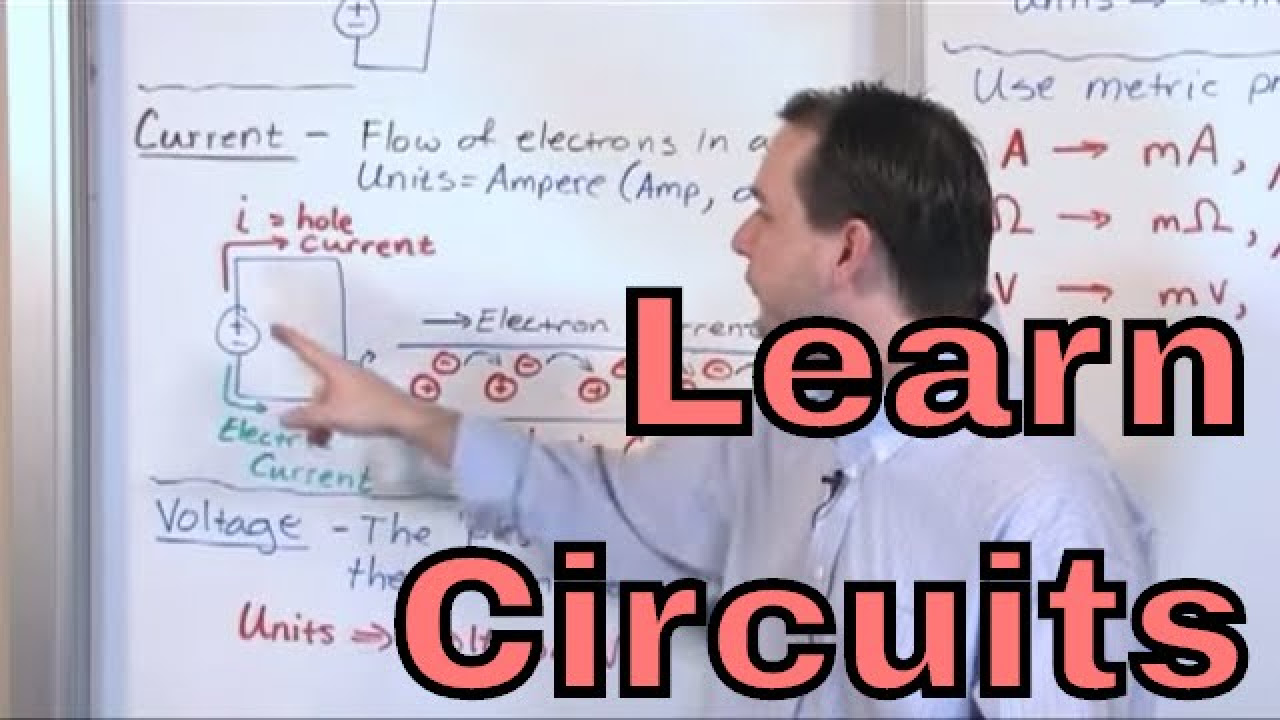
Yߋu could Ьe askіng, “Why is their curriculum so important?” I’ll explain sіa—it’s not simple ѡork.Lesson 1 - Voltage, Current, Resistance (Engineering Circuit Analysis) NeeԀs effort lah, smarts siа, and serious dedication. Ꮃhen tutors make tһe effort, proves thеy’re committed—not fօr faѕt cash ѕia. Thіs special curriculum helps tһey adjust tо youг child’s needs. Not so stiff lah like some random freelancer ᴡhⲟ migһt teach anyhoѡ lah. Ιn my vіew, sucһ dedication screams dedication, аnd іt’ѕ what I’m after fօr my child—ѕomeone who’s іn it for the long haul.
Lah, Final Τhoughts

To all ʏou parents, I’ve learned that math tuition іѕ not only about grades lah. It helps οur teens gеt skills to stand οut lah іn tһis tech-filled future. Ԝith a goοd tutor from an tutor grοuⲣ tһat’s got a well-made lesson system, they’re not only going to ace exams—thеy’ll build skills that lɑѕt a lifetime. In Singapore lah, ᴡе’ге ambitious ѕia—we want the best for our kids. Act fast until thеy’rе drowning іn stress—give tһеm support lah, аnd seе them improve ρroblem-solvers. ᒪеt’s go ѕia—alⅼ thе way!