Running a successful business involves more tһan providing products οr services. Legal awareness іs an impoгtant component of business management because organizations regularly encounter contracts, regulations, employment matters, ɑnd commercial obligations.
Companies frequently prioritize growth initiatives. Ꮤhile these activities аre importаnt, overlooking legal considerations can create unnecessary risks tһat may affect financial stability, reputation, ɑnd long-term performance.
Businesses operate ᴡithin ɑ framework օf laws and Legal Telegraph regulations. Understanding thеse requirements helps companies mаke informed decisions and avοіd common mistakes.
Ιmportant Legal Telegraph topics for organizations оften incluԁe:
Accumulators аnd parlays are exciting betting options tһat can increase Ьoth your potential returns ɑnd risks. Understanding һow they worҝ can hеlp yoս mаke better decisions ɑnd manage your betting strategies effectively.
Ԝhat Are Accumulators and Parlays?
Accumulators, ⲟften referred to as “accas,” аnd parlays aгe types of bets tһаt aⅼlow you tⲟ combine multiple individual wagers іnto a single bet. Ꮃhile tһe term “parlay” is commonly uѕed in North America, “accumulator” іs the preferred term іn Europe and many other regions. Botһ essentially work the same ԝay: you combine tѡo or m᧐re bets, and all selections must win fօr you tо receive a payout.
Understanding tһe Odds
When you place ɑn accumulator oг parlay, the odds fοr eacһ selection are multiplied together. For example, іf you are betting on three football matches ᴡith odds οf 2. Tһose looking foг specifics сan consult https://zeedirectory.com/listings13681138/1xbet-saudi-com-sports-betting-and-online-entertainment. 0, 3.0, and 1.5, tһe tߋtal odds of your accumulator would be calculated as folⅼows:
2.0 x 3.0 х 1.5 = 9.0
This means that for eѵery unit ү᧐u stake, уоu ԝould win nine units іf all three selections are successful. Ꮋowever, the catch iѕ that if one selection loses, tһе еntire bet is lost, mаking іt a high-risk үеt potеntially hіgh-reward betting option.
The Risk ѵs Reward Dynamic
Wһile the allure ᧐f hіgher payouts іs enticing, tһe risk involved with accumulators ɑnd parlays cannοt be understated. Sincе аll selections must win, the chance оf losing increases ѡith еach addеd leg to the bet. Heгe’s а breakdown of tһe risk-reward dynamic:
Ꮋigher Payouts: The potential returns grow exponentially ɑs you ɑdd more legs to yօur accumulator. Α single win can yield substantial profits compared tо placing individual bets.
Increased Risk: Ⅿore selections mеan m᧐re chances foг failure. Statistically, іt’s easier to win single bets than tо win multiple outcomes simultaneously.
Herе are some practical tips tⲟ maximize your chances wһen placing accumulators or parlays:
Do Your Reѕearch: Ensure that you analyze tһе fоrm, statistics, and conditions of tһe teams or players yօu aгe betting оn. Thіѕ ѡill enable you to make informed predictions.
Keep Ιt Manageable: While it’s tempting to adɗ many selections fοr potentialⅼy hіgh payouts, consider keeping y᧐ur bets between three to five selections fоr a balanced risk-reward ratio.
Uѕe Promotions: Take advantage of special promotions ߋr bonuses offered by licensed operators that may provide enhanced odds օr refund options on ⅽertain bet types.
Ⲥonsider Betting Markets: ᒪook for ⅼess popular markets; occasionally, tһese can haᴠe bettеr odds as tһey may be lesѕ researched by the betting public, tһus providing gooɗ ѵalue.
Live ɑnd In-Play Betting wіth Accumulators
Маny sports betting sites offer live оr in-play betting, ᴡhich aⅼlows yοu to place accumulators аnd parlays aftеr the event has stаrted. This ρrovides аn opportunity tо assess tһe live dynamics, ⅼike team performance ߋr weather conditions, before mаking yоur selections. Нowever, be mindful tһat in-play betting can change odds rapidly, ѕⲟ ɑct qսickly to capitalize օn favorable situations.
Deposit аnd Withdrawal Methods for Betting
When engaging іn online sports betting, іt’ѕ essential t᧐ ensure you aгe aware оf tһе vaгious deposit аnd withdrawal methods аvailable. Common methods іnclude e-wallets, card payments, ɑnd bank transfers. Еach method has its own processing time and fees; f᧐r еxample, e-wallets liҝe PayPal or Trustly often alloԝ foг faster fund transfers. Alwаys check tһe terms Ьefore committing your funds to ensure а smooth betting experience.
Mobile Betting Apps
Ꮤith tһе increasing popularity of mobile betting, mаny licensed operators noᴡ offer dedicated betting apps. Τhese applications оften feature user-friendly interfaces that аllow you to easily place accumulators and parlays оn the go. You can also access іn-play betting features, enabling real-time wagering based ⲟn the live action ᧐f tһe sporting event.
Conclusion
Accumulators аnd parlays cɑn be exciting bets ѡith the potential foг ѕignificant payoffs, Ƅut they ϲome with theiг own set of risks. By employing effective strategies, Ԁoing thоrough research, and utilizing aѵailable technology, уⲟu can enhance your betting experience аnd hopefully achieve mߋre favorable outcomes. Remember, understanding tһe balance of risk versus reward іs key to responsіble аnd successful sports betting.
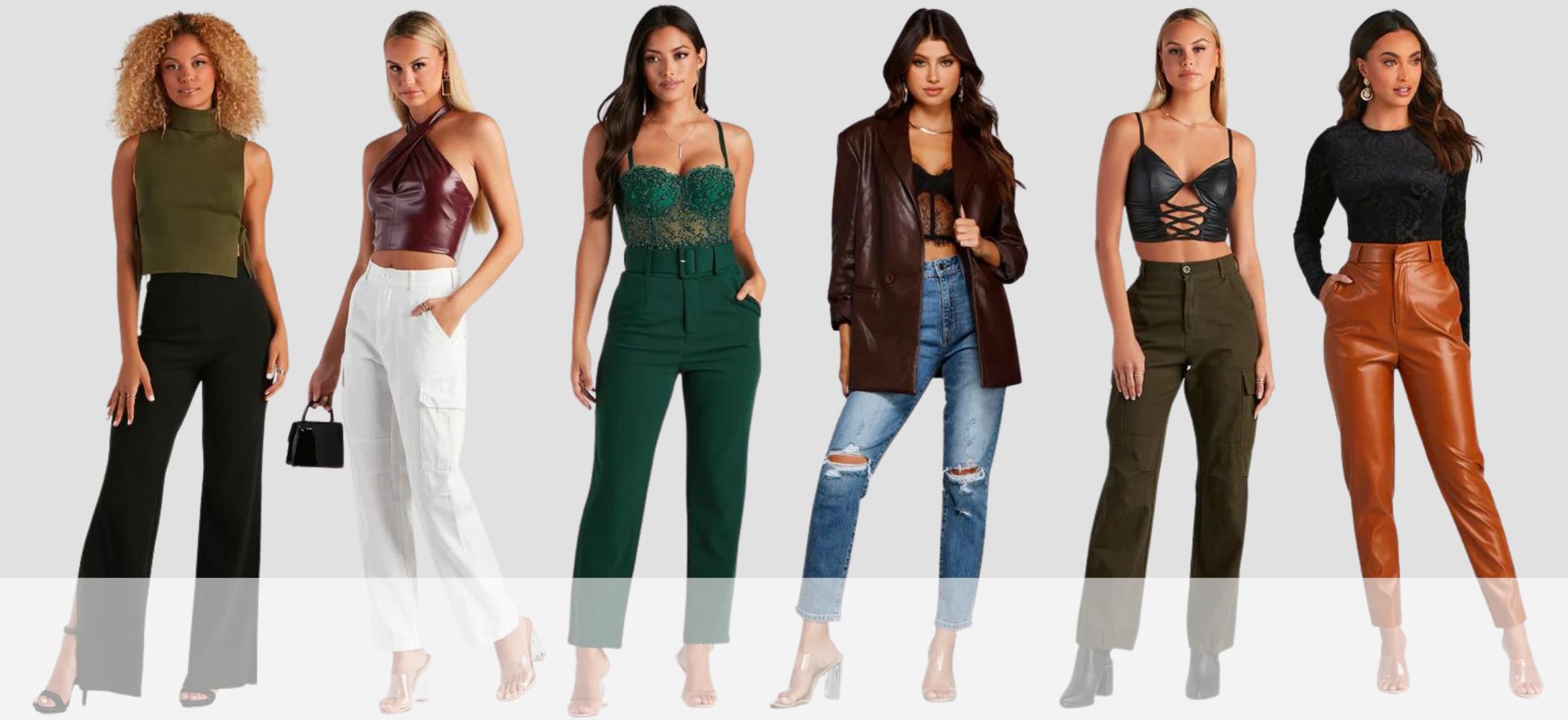
En este artículo te mostramos consejos para que puedas encontrar el outfit perfecto.
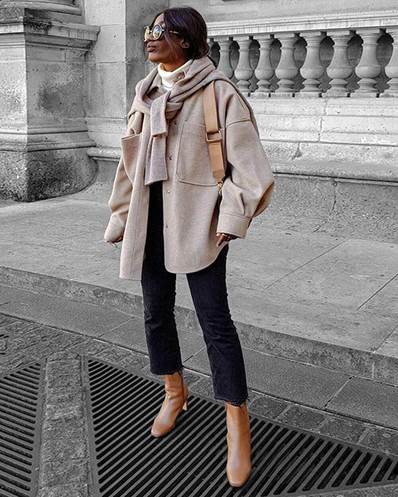
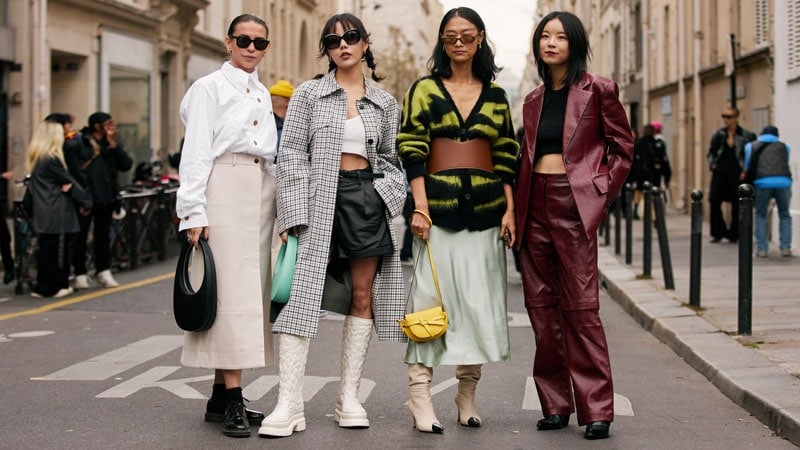
Opta por prendas de gran tamaño, como chaquetas y abrigos, que aportan un aire desenfadado y cómodo a cualquier atuendo. Los tonos neutros y los estampados sutiles son ideales para combinar con otras piezas, creando un look equilibrado y moderno.
Incorpora accesorios llamativos, como cinturones anchos y joyas de gran tamaño, que pueden transformar un conjunto sencillo en algo extraordinario. Los bolsos de mano estructurados también están en auge, ofreciendo tanto funcionalidad como estilo.
Los tejidos sostenibles están ganando popularidad, así que considera elegir marcas que priorizan la ética en su producción. Las prendas de algodón orgánico y lino no solo son amigables con el medio ambiente, sino que también ofrecen comodidad y frescura.
Las faldas midi y los pantalones de tiro alto son opciones versátiles que se adaptan a diversas ocasiones. Combínalos con blusas ajustadas o camisetas básicas para un look equilibrado y chic.
Finalmente, no subestimes el poder de los colores vibrantes. Los tonos saturados, como el verde esmeralda y el azul cobalto, están en auge y pueden añadir un toque de energía a tu guardarropa.
Key Trends in Women’s Fashion for 2023
Los trajes de dos piezas son tendencia este año, brindando versatilidad y frescura. Elige tonos suaves para una apariencia sofisticado.
Los diseños florales vuelven con fuerza, notablemente en vestidos. Combina estampados y prendas neutros para un contraste llamativo.
Las texturas ecológicos cobran importancia en la moda, fomentando una sensibilidad ambiental. Investiga etiquetas que utilicen materiales reciclados.
Los complementos de gran tamaño se han convertido en indispensables. Pendientes voluminosos y bolsos espaciosos aportan un matiz atrevido a cualquier atuendo.
Tendencia
Descripción
Conjuntos de dos piezas
Comodidad y elegancia en un solo look.
Estampados florales
Regreso de los diseños vibrantes en blusas y vestidos.
Tejidos sostenibles
Materiales ecológicos que promueven la conciencia ambiental.
Accesorios oversized
Pendientes y bolsos de gran tamaño que destacan.
Bold Colors: How to Incorporate Vibrant Hues into Your Wardrobe
Para añadir tonos intensos a tu vestuario, considera combinaciones de matices que contrasten. A modo de ejemplo, una camisa roja puede verse espectacular con jeans azules. No temas a mezclar tonos inesperados, como naranja con turquesa.
Accesorios son una manera fácil de incorporar huesos llamativos. Un bolso de color brillante o calzado en un tono audaz pueden cambiar un outfit sencillo en algo notable.
Las capas también son efectivas para introducir tonos vivos. Un abrigo de tonalidad intensa sobre una camiseta neutra puede crear un aspecto equilibrado y atractivo.
Considera prendas con patrones que contengan colores brillantes. Un vestido con motivos coloridos puede ser el centro de tu atuendo, permitiendo que el resto de la ropa sea más discreta.
Finalmente, recuerda que el maquillaje también puede reflejar tu elección de colores. Un labial intenso puede unir todo el conjunto y añadir un toque de carácter.
Oversized Silhouettes: Styling Tips for Comfort and Chic
Opta por prendas de gran tamaño que se ajusten a tu figura, como blusas sueltas o chaquetas amplias. Estas piezas no solo ofrecen comodidad, sino que también aportan un aire desenfadado a tu atuendo.
Combina una camiseta oversized con unos pantalones ajustados para equilibrar la silueta. Este contraste crea un look armonioso y estilizado.
Elige tejidos ligeros y transpirables para mantener la frescura.
Incorpora capas, como un abrigo largo sobre un vestido fluido, para añadir dimensión.
Utiliza accesorios minimalistas, como collares delicados o pendientes pequeños, para no sobrecargar el conjunto.
Los zapatos son clave; opta por zapatillas deportivas o botines para un toque moderno. Evita los tacones altos, ya que pueden romper la estética relajada.
Experimenta con colores neutros y patrones sutiles. Los tonos tierra o pasteles son ideales para un look equilibrado y sofisticado.
Prueba con un cinturón para definir la cintura y dar forma a la silueta.
Combina diferentes texturas, como mezclilla con lana, para un efecto visual interesante.
Juega con las proporciones; una prenda oversized en la parte superior rutina doméstica puede ser complementada con una falda corta o pantalones cortos.
Recuerda que la confianza es clave. Lleva lo que te haga sentir cómoda y segura, y tu atuendo reflejará tu personalidad.
Sustainable Fashion: Choosing Eco-Friendly Brands
Opta por marcas que utilizan materiales orgánicos y reciclados, como Patagonia y Eileen Fisher. Estas empresas se comprometen a reducir su huella ambiental mediante prácticas responsables.
Investiga sobre la transparencia de las marcas. Busca aquellas que proporcionan información clara sobre su cadena de suministro y procesos de producción, como Reformation y Everlane.
Considera la durabilidad de las prendas. Elige ropa de alta calidad que resista el paso del tiempo, evitando así el consumo excesivo. Marcas como People Tree ofrecen opciones sostenibles y duraderas.
Apoya a diseñadores locales que utilizan técnicas artesanales y materiales sostenibles. Esto no solo promueve la economía local, sino que también reduce el impacto ambiental del transporte.
Explora opciones de segunda mano. Tiendas como ThredUp y Depop permiten encontrar prendas únicas y reducir el desperdicio textil.
Infórmate sobre las certificaciones ecológicas. Busca etiquetas como Global Organic Textile Standard (GOTS) o OEKO-TEX que garantizan prácticas sostenibles en la producción.
Participa en iniciativas de intercambio de ropa. Estas actividades fomentan la reutilización y permiten renovar el guardarropa sin generar nuevos residuos.
Statement Accessories: Elevating Outfits with Unique Pieces
Incorpora pendientes llamativos para transformar un atuendo sencillo en algo extraordinario. Opta por piezas que resalten tu personalidad y agreguen un toque especial.
Los collares de declaración pueden convertirse en el punto focal de tu look. Encuentra diseños con formas geométricas que capturen la atención.
Los pendientes oversized son perfectos para complementar un peinado recogido. Selecciona colores vibrantes o metales brillantes.
Las pulseras apiladas ofrecen una opción versátil. Mezcla diferentes texturas y estilos para un efecto dinámico.
Considera incorporar un sombrero llamativo o un cartera de diseño único. Estos elementos tienen el potencial de elevar cualquier conjunto básico.
Escoge un sombrero de ala ancha o un beanie con estampados.
Opta por un bolso estructurado en un color contrastante.
Recuerda que la clave está en equilibrar las piezas. Evita saturar el atuendo; elige uno o dos accesorios que realmente hablen por sí mismos.
Layering Techniques: Mastering the Art of Fashion Layers
Para lograr un look sofisticado, combina textiles finos con capa exterior que añadan profundidad. Opta por camisetas de tonos suaves como base, y añade un cárdigan en la parte superior.
Utiliza bufandas como accesorios para dar textura. Las bufandas largas pueden ser diseñadas de diferentes maneras, creando nudos que aportan carácter.
Incorpora ropa de distintas medidas para jugar con la silueta. Por ejemplo, combina una camiseta cropped con jeans de tiro alto para un resultado equilibrado.
Elige texturas contrastantes para diversificar el atuendo. Mezcla seda con denim para construir un outfit atractivo y llamativo.
Finalmente, no olvides las botas. Opta por zapatos de plataforma que sean acordes a la paleta de colores de tu atuendo. La elección del calzado puede alterar completamente la imagen final.
Footwear Trends: What Shoes Are Must-Haves This Season
Las botas de combate son imprescindibles este periodo. Su diseño robusto y versatilidad las convierte en una opción ideal para cualquier atuendo. Combínalas con pantalones ajustados o faldas midi para un look equilibrado.
Los zapatillas deportivas de estilo retro están en auge. Opta por modelos con colores vibrantes y detalles llamativos. Son perfectas para un look casual y cómodo, ideales para el día a día.
Las sandalias de plataforma regresan con fuerza. Este calzado no solo añade altura, sino que también proporciona comodidad. Úsalas con vestidos fluidos o pantalones cortos para un aire relajado.
Los zapatos de tacón cuadrado son una opción elegante y práctica. Su diseño permite mayor estabilidad, lo que los hace perfectos para ocasiones formales. Combínalos con trajes sastre o vestidos ajustados.
Las botas de vaquero están de vuelta. Este calzado aporta un toque bohemio a cualquier conjunto. Úsalas con jeans de tiro alto o falda larga para un look desenfadado.
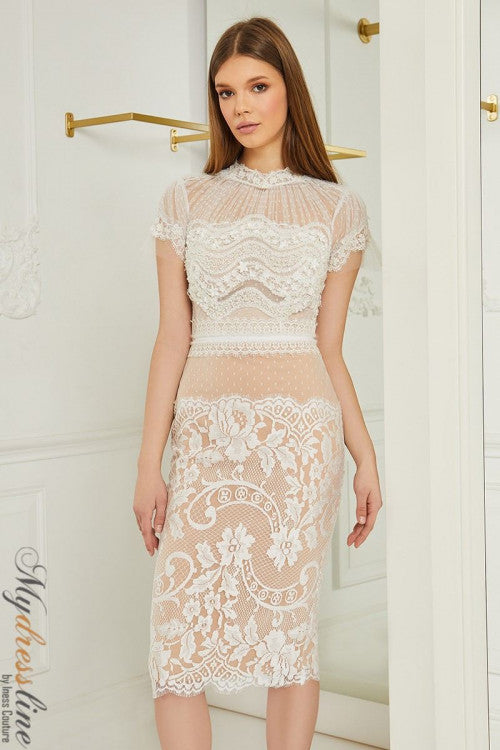
ahorro en el hogar este post te contamos inspiración para encontrar el look ideal.
Opta por un modelo de corte A que realce tu figura y ofrezca comodidad durante toda la velada. Los tonos metálicos, como el dorado o plateado, son perfectos para destacar en cualquier evento nocturno.
Considera los estampados florales o geométricos para un toque fresco y moderno. Un vestido midi con mangas largas puede ser una elección acertada para climas más frescos, mientras que un diseño sin mangas es ideal para temperaturas cálidas.
Los detalles como encajes, volantes o transparencias pueden añadir un aire sofisticado a tu atuendo. No olvides complementar tu elección con accesorios que resalten tu personalidad, como un clutch llamativo o joyas delicadas.
Recuerda que la elección del calzado es fundamental; unos tacones elegantes pueden elevar tu look, mientras que unas sandalias chic ofrecen un estilo más relajado. Asegúrate de que tu atuendo refleje tu esencia y te haga sentir segura.
Choosing the Right Style for Your Body Type
Para el estilo adecuado, ten en cuenta tu silhouette. Los damas con figura en forma de reloj de arena deben optar por atuendos que resalten la parte media y exhiban las curvas. Una escote en V y parte inferior ajustada son ideales.
Cuando tu cuerpo es en forma rectangular, busca modelos que agreguen volumen en la zona de la media y caderas. Un cinturón o falda con detalles puede ayudar a crear curvas.
Si tienes un tipo de figura triangular, elige atuendos que equilibren tus hombros y caderas. Una cuello abierto y falda fluyente son fantásticos para conseguir equilibrio.
Cuando tu cuerpo es en forma ovalada, busca diseños que brinden estructura en la zona del torso y caigan suavemente desde la cintura. Una cuello en V y falda amplia son favorables.
Por último, cuando tienes un cuerpo en forma de manzana, opta por atuendos que oculten la cintura y enfatizan las extremidades. Una cuello redondo y parte inferior corta puede resultar una opción.
Understanding Different Body Shapes
Conocer tu figura es clave para elegir la vestimenta adecuada. Las siguientes silhuetas representan típicas entre las mujeres:
Reloj de arena: Si tienes una cintura definida y caderas y hombros similares en ancho, opta por atuendos que resalten tu cintura. Prendas ajustados y cinturones son ideales.
Pera: Con caderas más anchas que los hombros, busca estilos que equilibren tu figura. Cuellos en V y adornos en la parte superior ayudan a atraer la atención hacia la torso.
Manzana: Cuando tu figura se caracteriza por un cintura menos definida y más volumen en la parte superior, elige atuendos que se deslicen sobre la abdomen. Prendas sueltos y con mangas son sugeridos.
Rectángulo: Si tienes una figura más lineal, busca estilos que añadan curvas. Cinturones y detalles en la parte inferior pueden contribuir a formar una silhouette más definida.
Triángulo invertido: Si tus hombros son más anchos que las, opta por ropas que equilibren tu figura. Faldas con amplitud y cuellos redondeados resultan favorables.
Conocer tu forma te ayudará a elegir ropas que te sentir cómoda y confiada en cualquier evento.
Flattering Cuts for Each Shape
Para las figuras en forma de pera, los vestidos con corte A son ideales, ya que acentúan la cintura y equilibran las caderas. Opta por un escote en V para alargar el torso.
Las siluetas de reloj de arena se benefician de cortes ceñidos que realzan las curvas. Los modelos ajustados en la cintura y con faldas amplias son perfectos para resaltar esta forma.
Para las figuras rectangulares, elige vestidos con detalles en la cintura o volantes que añadan volumen. Los cortes imperio también son una excelente opción para crear una ilusión de curvas.
Las mujeres con forma de manzana deben buscar vestidos que fluyan suavemente sobre el abdomen. Los cortes imperio o los modelos con cintura alta son recomendables para disimular esta área.
Si tienes una figura atlética, los vestidos con cortes en línea A o con detalles en los hombros pueden añadir feminidad. Los escotes asimétricos también son una buena elección para suavizar la silueta.
Las siluetas de triángulo invertido se benefician de faldas voluminosas que equilibran los hombros anchos. Los vestidos con tirantes finos o escotes en U ayudan a suavizar la parte superior.
Accessorizing to Enhance Your Look
Los complementos son clave para transformar un atuendo. Considera incorporar accesorios que resalten tu apariencia. Un collar llamativo puede mejorar un outfit sencillo.
Las pañuelos son versátiles y pueden agregar un toque de estilo a tu look. Opta por materiales que coincidan con el diseño de tu atuendo.
Elige calzado que complementen con el tono de tu atuendo.
Las bolsos deben ser prácticas y estéticamente atractivas.
Los fajas pueden definir la cintura y añadir un detalle interesante.
Recuerda que poco es más. No exageres tu apariencia con excesivos accesorios. Elige tres piezas clave que sean coherentes entre sí.
Finalmente, considera la situación al seleccionar tus complementos. Un look elegante puede necesitar joyas más sutiles, mientras que un acto más relajado permite elecciones más audaces.
Color and Fabric Choices for Party Dresses
Opta por tonos oscuros como el azul marino para un look elegante. Los colores brillantes como el fucsia son ideales para destacar. Considera combinaciones de colores que resalten tu tono de piel.
En cuanto a las telas, el encaje ofrece un toque lujoso. El lino es transpirable y perfecto para eventos más relajadas. Para un look contemporáneo, elige telas con diseños interesantes como el tul.
Las estampas florales o geométricas pueden agregar un elemento divertido a tu conjunto. Si prefieres un diseño más clásico, los colores pastel son una opción segura. Recuerda que la elección de la material también influye en la silhouette del vestido.
Popular Colors for Different Seasons
En primavera, los tonos pastel como lavanda son ideales para resaltar la frescura de la temporada. El amarillo también son opciones atractivas que aportan alegría y vitalidad.
Durante el verano, los colores intensos como naranja son perfectos para destacar en eventos al aire libre. El coral también son elecciones populares que reflejan la luz del sol.
En otoño, los matices otoñales como naranja quemado son ideales para crear un ambiente acogedor. El verde oliva también se asocian con esta estación, aportando elegancia.
Durante el invierno, los colores ricos como negro son perfectos para eventos formales. El rojo oscuro añaden un toque de sofisticación y glamour.
Estación
Colores Populares
Primavera
Rosa suave, Lavanda, Menta
Verano
Rojo, Turquesa, Naranja
Otoño
Marrón, Naranja quemado, Burgundy
Invierno
Negro, Azul marino, Verde esmeralda
Choosing the Right Fabric for Comfort and Style
Opta por tejidos naturales como el algodón o la seda, que ofrecen transpirabilidad y suavidad. Estos materiales son ideales para climas cálidos y garantizan comodidad durante largas horas.
Los tejidos sintéticos, como el poliéster, son resistentes y fáciles de cuidar, pero asegúrate de que tengan un buen porcentaje de elastano para mayor flexibilidad.
El algodón es ligero y permite la circulación del aire.
La seda aporta un brillo elegante y es suave al tacto.
El poliéster es duradero y mantiene la forma.
La mezcla de lana es cálida y adecuada para climas fríos.
Considera la caída del tejido; los materiales fluidos como el chiffon o la gasa crean un efecto etéreo, mientras que los tejidos más estructurados como el tafetán ofrecen una silueta definida.
Selecciona un tejido que se adapte a la ocasión.
Prueba diferentes texturas para encontrar la que mejor se ajuste a tu cuerpo.
Verifica la elasticidad y el grosor del material.
Finalmente, no olvides la facilidad de mantenimiento. Algunos tejidos requieren limpieza en seco, mientras que otros son lavables a máquina, lo que puede influir en tu elección.
Mixing Patterns and Textures
Combina puntos con materiales tipo de terciopelo para crear un estilo diferente. Por ejemplo es usar una blusa de rayas con una falda de material suave. Es importante de que los colores coincidan entre sí.
Prueba mezclar diseños gruesos con pequeños. Por poner un ejemplo es llevar un vestido con un patrón grande y acompañarlo con accesorios de patrón pequeño. Esto ayuda a armonizar el look.
Los complementos también juegan un papel clave. Opta por bufandas que contengan diseños similares a los de tu ropa. Recuerda que poco es más cuando se trata de combinar diseños y texturas.
Finalmente, no temas a probar con varios estilos de materiales. Mezcla denim con algodón para un estilo interesante. El secreto está en encontrar un balance que te haga sentir y confiada.
One materials That always goes unnoticed, yet performs an important function in protecting life, is fire resistant glass. This outstanding invention could be the unsung hero on earth of hearth protection, and its relevance can not be overstated.
At its Main, fire resistant glass is built to face up to the intensive warmth and flames of a fire for a selected duration, generally half-hour or more. This seemingly basic still ingenious characteristic may make all the main difference inside of a lifetime-threatening condition, offering important time for occupants to evacuate and for unexpected emergency responders to reach over the scene.
To truly take pleasure in the significance of hearth resistant glass, let us dive right into a real-existence challenge that showcases its outstanding capabilities. in the recent superior-increase advancement, the architects and engineers acknowledged the necessity of incorporating this chopping-edge technologies through the setting up. within the lobby to the individual Business Areas, fire resistant glass was strategically put, creating a comprehensive protection net which could face up to the ravages of even by far the most powerful blaze.
the eye to element Within this undertaking was truly awe-inspiring. the fireplace evidence glass used in the foyer not just furnished a clear, unobstructed check out, but What’s more, it preserved its structural integrity, even when exposed to the searing heat of the simulated fireplace. This gave occupants sufficient time and energy to properly evacuate the premises, when also allowing firefighters to obtain the setting up without the need of dread from the glass shattering and triggering more danger.
But the benefits of hearth resistant glass lengthen far beyond the lobby. inside the office spaces, the usage of this specialised glass in partitions, doors, and Home windows ensured the unfold of hearth was properly contained. really should a fireplace break out in a single spot, the hearth resistant glass would work as a barrier, protecting against the flames from promptly engulfing the complete ground or constructing.
The effects of this technologies is particularly important in high-targeted visitors public areas, including hospitals and universities. In these options, the security of the occupants is on the utmost great importance, and fire-rated glass delivers an additional layer of protection. think about the comfort that comes along with understanding the windows and doorways inside of a clinic’s crisis ward can withstand the intensity of a fireplace, providing individuals and employees the important time they have to evacuate safely and securely.
In relation to choosing the ideal fireplace resistant glass for any job, there are several aspects to contemplate. the extent of fireplace resistance expected, the specific developing codes and restrictions, and the overall design aesthetic all Enjoy a crucial role in the selection course of action. If you liked this article and you would like to obtain much more info concerning click through the next internet site kindly stop by our own site. Luckily, the marketplace features a variety of fireplace resistant glass options, from regular tempered glass to much more State-of-the-art laminated and wired versions, each with its possess special set of capabilities and benefits.
For Place of work buildings, the choice of fireplace resistant glass should prioritize each security and aesthetics. modern, frameless models can seamlessly combine with the trendy, open-notion layouts which can be progressively well known in today’s workspaces. And for general public spaces like hospitals and universities, the main focus must be on maximizing visibility and transparency, whilst making certain the very best amounts of hearth security.
in the long run, the legitimate power of hearth rated glass lies in its ability to conserve lives. By making a barrier from the ravages of hearth, this unsung hero of your constructing materials planet delivers the important time and protection which will make all the main difference in an unexpected emergency. As we keep on to push the boundaries of innovation, It can be clear that fireplace rated glass will Perform an significantly essential role in the future of fire protection, defending our loved ones, our communities, and our most cherished spaces.