Gelmicin Crema – Para qué sirve?, Dosis, Usos y Efectos Secundarios

¿Gelmicin crema para que sirve?

Gelmicin crema funciona fundamentalmente para contrarrestar aquellas afecciones en la piel como cortadas leves, quemaduras, algunas como consecuencia de una fricción, y quemaduras ocasionadas por el sol.

Además, esta confiablemente indicado para el tratamiento y prevención de la pañalitis o aquellas erupciones que ocurren por el roce con la orina y el pañal en los bebés.

GELMICIN FORMA FARMACÉUTICA Y FORMULACIÓN:

Cada 100 g de crema contienen:
Dipropionato de betametasona
equivalente a …………….. 50.0 mg
de betametasona
Clotrimazol ………………….. 1.0 g
Excipiente cbp ……………… 100.0 g

DOSIS

Dosis: Aplicar una pequeña cantidad de crema sobre el área afectada con un ligero masaje, dos veces al día, en la mañana y en la noche, durante dos semanas paraTinea corporis, Tinea cruris y candidiasis, y durante cuatro semanas para Tinea pedis.

Si el paciente con Tinea corporis o Tinea cruris no demuestra mejoría clínica después de una semana de tratamiento, el diagnóstico debe ser reevaluado.

En Tinea pedis, el tratamiento debe ser usado durante dos semanas antes de tomar esta decisión.

Vía de administración: Cutánea.

Otra presentación de gelmicin (spray)

El gelmicin también tiene una presentación en spray.

gelmicin spray, 0.05% es para uso tópico.

Cada gramo de gelmicin (dipropionato de betametasona) spray contiene: 0.643 mg de gelmicin (dipropionato de betametasona) USP (equivalente a 0.5 mg de betametasona) en una emulsión de aceite en agua ligeramente espesa, blanca a blanquecina.

Dosis y administración del gelmicin spray

Agitar bien antes de usar.

Aplique el spray de gelmicin (dipropionato de betametasona) en las áreas afectadas de la piel dos veces al día y frote suavemente.

Use gelmicin (dipropionato de betametasona) en aerosol durante un máximo de 4 semanas de tratamiento. No se recomienda el tratamiento más allá de 4 semanas.

Interrumpa el rociado de gelmicina (dipropionato de betametasona) cuando se logre el control.
No use si hay atrofia en el sitio de tratamiento.

No cubra, cubra o cubra el área tratada de la piel a menos que lo indique un médico.

Evite el uso en la cara, el cuero cabelludo, la axila, la ingle u otras áreas intertriginosas.

El spray de gelmicin (dipropionato de betametasona) es solo para uso tópico. No es para uso oral, oftálmico o intravagi-nal.

Aplicar a las áreas afectadas de la piel dos veces al día. Frote suavemente.

Use gelmicin (betamethasone dipropionato) spray durante hasta 4 semanas y no más allá.

Interrumpe el tratamiento cuando se logra el control.

  • No use si hay atrofia en el sitio de tratamiento.
  • No use con vendajes oclusivos a menos que lo indique un médico.
  • Evite el uso en la cara, el cuero cabelludo, la axila, la ingle u otras áreas intertriginosas.
  • No es para uso oral, oftálmico o intravag-inal.

Quemaduras

Debe su gran poder cicatrizante y antiinflamatorio a la combinación del Clotrimazol y la Betametasona, que ayudan en a aliviar casos extremos de quemaduras causadas por el sol, que provocan principalmente irritación y ardor en la piel afectada.

Trata también quemaduras generales en la piel, sean leves o moderadas, ya cuando es una quemadura más grave, si es recomendable consultar primero con un médico especialista confiable.

Acné

Gracias a sus componentes corticoides, así como a sus propiedades antibacteriales y fungicidas, es altamente recomendado para atacar aquellos problemas de acné que sean leves o graves, siguiendo un tratamiento que será determinado por el médico tratante del caso.

Por la presencia de los corticoides no se debe extender el tratamiento por un largo periodo de tiempo, ya que es un producto de penetración fuerte y aunque es ideal para las afecciones de la piel, como el caso de las bacterias que causan el acné, su uso prolongado puede acarrear otros problemas más severos.

Se recomienda en este caso que su uso se vaya alternando con una buena alimentación y la limpieza facial cuidadosa.

Pañalitis o dermatitis

Es un antimicótico eficaz para curar y calmar casos delicados en bebes con dermatitis o pañalitis, ocasionada en la mayoría de los casos por la orina acumulada y la continua fricción del pañal en zonas delicadas de su piel, que es lo que trae como consecuencia estas dolencias, que deben tratarse a tiempo para evitar problemas más graves.

Irritación y dermatitis en zonas intimas

Estos problemas que se presentan en las zonas cercanas a las zonas intimas o en los mismos, son resultado de la aparición de hongos que causan la irritación y dermatitis en esta área, ahí es donde juega un papel esencial el uso de este tópico por sus grandes beneficios, actuando también como antibiótico externo.

Hongos en los pies

Este tópico actúa como fungicida por los corticoides presentes en su principio activo, evitando los olores desagradables y el daño evidenciado en la capa de las uñas, que son los primeros síntomas de que hay una posible proliferación de hongos en los pies.

¿Para qué sirve?

GELMICIN Crema está indicada para el tratamiento tópico de las siguientes infecciones dérmicas:

A manera de información, el término “tópico” significa que la aplicación del medicamento o tratamiento es en la superficie externa del cuerpo (por ejemplo, en la piel o a las membranas mucosas).

El gelmicin es un medicamento para aplicar exclusivamente en la piel para tratar afecciones tales como:

  • Dermatitis crónica de las extremidades
  • Eritrasma, balanopostitis
  • Herpes zoster
  • Dermatitis eccematoide
  • Dermatitis de contacto
  • Dermatitis folicular
  • Queratosis
  • Paroniquia
  • Prurito an-al
  • Intertrigo
  • Impétigo
  • Neurodermatitis
  • Estomatitis angular
  • Dermatitis por fotosensibilidad
  • Dermatofitosis inguinal liquenificada
  • Tiña por infecciones tales como: tiña pedis, tiña cruris y tiña corporis
  • Tinea corporis
  • Tinea cruris
  • Tinea pedis
  • Trichophyton rubrum
  • Trichophyton mentagrophytes
  • Epidermophyton floccosum
  • Microsporum canis
  • Candidiasis debida a Candida albicans

GELMICIN PRESENTACIONES

Caja con tubo de aluminio con 40 g.

CONTRAINDICACIONES

GELMICIN Crema está contraindicado en pacientes con hipersensibilidad conocida a alguno de los componentes de la fórmula, a otros corticosteroides o a imidazoles.

EFECTOS SECUNDARIOS

Las reacciones adversas provocadas por clotrimazol y dipropionato de betametasona usados concomitantemente son poco frecuentes e incluyen: parestesias, erupción maculopapular, edema e infección secundaria.

Las reacciones adversas reportadas con el uso de clotrimazol incluyen eritema, ardor, ampulación, descamación, edema, prurito, urticaria e irritación general de la piel.

Se han reportado las siguientes reacciones adversas con el uso de corticosteroides tópicos:

  • ardor
  • prurito
  • irritación
  • resequedad
  • foliculitis
  • hipertricosis
  • erupciones acneiformes
  • dermatitis perioral
  • dermatitis alérgica de contacto
  • maceración de la piel
  • infección secundaria
  • atrofia de la piel
  • estrías y miliaria

La administración de corticosteroides tópicos en niños ha provocado supresión del eje hipotálamo-pituitario-adrenal (HPA), síndrome de Cushing e hipertensión intracraneal.

Las manifestaciones de supresión adrenal en niños incluyen retraso en el crecimiento lineal, falta de ganancia de peso, niveles plasmáticos de cortisol bajo, ausencia de respuesta a estimulación de ACTH.
Las manifestaciones de hipertensión intracraneal incluyen cefalea y papiledema bilateral.

EMBARAZO Y LACTANCIA

No se ha establecido la seguridad de uso de corticosteroides tópicos durante el embarazo, por lo que sólo deberán usarse en estoscasos si el beneficio potencial justifica el riesgo potencial para el feto.

También te puede interesar:
Dexametasona Para qué Sirve? Dosis, Usos, Efectos (2019)

Los fármacos de este tipo no deben ser usados extensamente en grandes cantidades ni por periodos prolongados en pacientes embarazadas.

Debido a que no se ha determinado si la administración tópica de corticosteroides puede resultar en una suficiente absorción sistémica para producir cantidades detectables en la leche materna, debe tomarse una decisión sobre descontinuar la lactancia o el fármaco, tomando en cuenta la importancia del medicamento para la madre.

Uso pediátrico: Es posible que los pacientes pediátricos presenten una mayor susceptibilidad a la supresión del eje hipotálamopituitario-adrenal (HPA) inducido por corticosteroides tópicos y a los efectos de corticosteroides exógenos.

Esto se debe a que en los niños la proporción entre el área superficial cutánea y el peso corporal es más elevada, y consecuentemente la absorción es mayor.

En niños que recibieron corticosteroides tópicos se han comunicado episodios de supresión del eje HPA, síndrome de Cushing, retardo del crecimiento lineal, falta de ganancia de peso e hipertensión intracraneal.

Las manifestaciones de supresión adrenal en niños incluyen niveles bajos de cortisol en plasma y ausencia de respuesta a la estimulación de ACTH.

Las manifestaciones de hipertensión intracraneal incluyen cefalea y papiledema bilateral.

GELMICIN PRECAUCIONES

Este producto no debe ser utilizado con curaciones oclusivas. En caso de desarrollarse irritación o sensibilización se debe descontinuar el tratamiento e instituirse medidas adecuadas.

En presencia de infecciones bacterianas debe usarse, de forma concomitante, un agente antibacteriano adecuado. Si no hay respuesta a GELMICIN Crema, deben repetirse los estudios microbiológicos para confirmar el diagnóstico y eliminar la sospecha de otros patógenos antes de instituir otro tipo de tratamiento antimicótico.

Con el uso de corticosteroides tópicos puede ocurrir cualquiera de los efectos adversos reportados con el uso de corticosteroides sistémicos, incluyendo supresión adrenal, manifestaciones del síndrome de Cushing, hiperglucemia y glucosuria.

La absorción sistémica de corticosteroides tópicos puede ser importante cuando se usan agentes corticosteroides más potentes, con su uso prolongado o si se tratan áreas extensas del cuerpo.

Por lo tanto, los pacientes que reciben grandes dosis de corticosteroides
tópicos potentes, aplicados a una área corporal extensa, deben ser evaluados periódicamente para detectar evidencias de supresión del eje hipotálamo-pituitario-adrenal (HPA).

Si ocurriese la supresión del eje HPA, debe suprimirse gradualmente el fármaco, reducir la frecuencia de aplicación o sustituirlo por un agente corticosteroide menos potente.

La recuperación de la función del eje HPA normalmente es rápida y completa después de descontinuar el tratamiento. En algunos casos, pueden manifestarse signos y síntomas de abstinencia a corticosteroides lo que requerirá de corticoterapia sistémica complementaria.

GELMICIN FARMACOCINÉTICA

El clotrimazol es un agente antifúngico de amplio espectro que se utiliza en el tratamiento de infecciones dérmicas provocadas por varias especies de dermatófitos patógenos, levaduras y Malassezia furfur.

La acción principal del clotrimazol es contra organismos de división y crecimiento. Además, parece ser que el clotrimazol actúa sobre la membrana celular del hongo, provocando la salida del contenido celular.

Después de la administración tópica sobre la piel, el clotrimazol prácticamente no se absorbe. Aun seis horas después de la aplicación de la crema o solución de clotrimazol radiactiva al 1% a piel intacta o inflamada, la concentración de clotrimazol varía desde 100 mg/ml en el estrato córneo, hasta 0.5 a 1 mg/ml en el estrato reticular y 0.1 mg/ml en dermis.

No se encuentra una cantidad medible de radiactividad (< 0.001 mg/ml) en el suero 48 horas después de la aplicación de 0.5 ml de solución o 0.8 g de crema bajo una curación oclusiva.

En el hombre, casi 25% del clotrimazol administrado por vía oral se excreta en orina, mientras que el resto se excreta en heces durante los seis días posteriores a la ingestión.

El dipropionato de betametasona es un corticosteroide efectivo en el tratamiento de dermatosis que responden a la corticoterapia debido a su acción antiinflamatoria, antiprurítica y vasoconstrictora. Como es característico para los corticosteroides, el dipropionato de betametasona se absorbe a través de la piel, se une reversiblemente a proteínas plasmáticas, se metaboliza en sitios hepáticos y extrahepáticos dando sustancias prácticamente inactivas y se excreta casi completamente a las 72 horas por vía renal.

GELMICIN SOBREDOSIS

Síntomas: El uso excesivo o prolongado de corticosteroides tópicos puede suprimir la función pituitaria-adrenal, provocando una insuficiencia adrenal secundaria y producir manifestaciones de hipercorticismo, incluyendo enfermedad de Cushing.

Tratamiento: Está indicado el tratamiento sintomático. Los síntomas hipercorticoideos agudos son normalmente reversibles. Debe tratarse el desbalance electrolítico, si es necesario. En caso de toxicidad crónica, se recomienda el retiro paulatino del corticosteroide.

ALMACENAMIENTO

Consérvese en lugar fresco.

PROTECCIÓN

No se deje al alcance de los niños. Su venta requiere receta médica. Literatura exclusiva para médicos.

GELMICIN LABORATORIO

GELMICIN REGISTRO:

Reg. Núm. 523M97, SSA
KEAR-21579/R97/IPPA

GELMICIN DENOMINACIÓN GENÉRICA:
Betametasona y clotrimazol.

Dosis – Si olvida una dosis

Para obtener el mejor beneficio posible, es importante recibir cada dosis programada de este medicamento como se indica. Sí se le olvidó tomar su dosis, comuníquese de inmediato con su médico o farmacéutico para establecer un nuevo horario de dosificación. No duplique la dosis para ponerse al día.

Sobredosis

Si alguien tiene una sobredosis y tiene síntomas graves como desmayo o dificultad para respirar, llame al 911. De lo contrario, llame a un centro de control de envenenamiento de inmediato. Los residentes de los Estados Unidos pueden llamar a su centro local de control de envenenamientos al 1-800-222-1222. Los residentes de Canadá pueden llamar a un centro provincial de control de envenenamientos. Los síntomas de sobredosis pueden incluir: convulsiones.

Notas

No comparta este medicamento con otros. exámenes de laboratorio y/o médicos (como conteo sanguíneo completo, pruebas de función renal) deben hacerse mientras esté usando este medicamento. Cumpla con todas las citas médicas y de laboratorio.

Almacenamiento

Consulte las instrucciones del producto y a su farmacéutico para los detalles de almacenamiento. Mantenga todos los medicamentos fuera del alcance de los niños y las mascotas, no tire los medicamentos por el inodoro ni los vierta en un desagüe a menos que se lo indiquen. Deseche adecuadamente este producto cuando esté caducado o ya no sea necesario. Consulte a su farmacéutico o a su empresa local de eliminación de residuos.

Descargo de responsabilidad:

La información sobre medicamentos aquí contenida está sujeta a cambios y no pretende cubrir todos los posibles usos, instrucciones, precauciones, advertencias, interacciones entre medicamentos, reacciones alérgicas o efectos adversos. La ausencia de advertencias u otra información para un medicamento determinado no indica que el medicamento o combinación de medicamentos sea seguro, efectivo o apropiado para todos los pacientes o para todos los usos específicos.

MINISTROS © copyright TODOS LOS DERECHOS RESERVADOS.

Referencias:

https://es.wikipedia.org/wiki/Gentamicina

The Benefits of Clear Bracket Braces

Clear Bracket Braces Perform Just Like Traditional Braces

Clear bracket braces work just like traditional metal braces. Like traditional braces, they consist of a bracket and wire design. That means they work on the relatively simple premise of a set of wires urging your teeth into their optimal spots. If you have an overbite, gaps in your teeth, misaligned back teeth, or countless other issues, clear bracket braces can help.

In contrast, solutions like Invisalign don’t work in the same way. Instead, they use aligners to straighten your teeth. That works in a lot of situations, but it doesn’t provide as broad of a solution as braces consisting of brackets and wires.

Clear Bracket Braces Use Gentle Bonding Adhesives

To attach the brackets to your teeth, your orthodontist has to use epoxy. Generally, the adhesive used with clear bracket braces is much more gentle than the adhesive used with metal bracket braces. That helps to protect your enamel, reducing the risk of cavities forming behind the brackets. It also makes getting the brackets removed at the end of your orthodontic treatment into a gentler process.


Clear Bracket Braces Are More Subtle That Other Orthodontic Solutions

One of the main reasons that many people turn to clear bracket braces is because they are more subtle. They are made of see-through plastic which blends in with your teeth. This tends to be a lot less noticeable than wire braces. This is ideal for adults who want braces but don’t want to look like they have braces. It is also helpful for teens or children who don’t want to stick out. If you need rubber bands to enhance your braces, you can opt for clear bands that match your clear brackets.


Clear Bracket Braces Feel More Comfortable to Many Patients

Many people find that clear bracket braces feel more comfortable in their mouths. They don’t have to worry about their mouths getting scratched by metal. They also don’t have to carry dental wax, which many people apply to wire braces to make them more comfortable. However, you can use wax as desired with clear brackets.

This solution is also permanently affixed to your mouth. You don’t have to take it in and out like Invisalign or certain retainers. That stability can be more comfortable for many patients. It can also give you peace of mind because you never have to worry about losing your braces.

Ready to learn more about clear bracket braces? Want braces for you or your child? Then, contact BB Braces Braces today. We have multiple locations throughout the Atlanta area, and we are an orthodontic partner with the Atlanta Braves. If they trust us with their smiles, you should trust us with yours.

Who Should Get Clear Braces?

Clear braces are great for kids or teens who want a more subtle option. However, in most cases, they can be a bit more expensive than wire braces. You may want to consult with your orthodontist to figure out what’s best for your oral health and your budget.

Additionally, clear braces move teeth faster than Invisalign. If you want the aesthetic appeal of subtle orthodontic treatment but you need faster treatment, clear braces may be ideal for you. In fact, many adults opt for clear braces just for this reason.


What Is the Treatment Process With Clear Braces?

If you decide to get clear ceramic braces, you start with a consultation. That’s where the orthodontist talks with you about your objectives and creates a plan for your teeth.

At a following appointment, the brackets get attached to your teeth. Then, the archwires are placed between the brackets and the rubber bands are put on to enhance the final effect. After this point, there are regular follow-up appointments. These appointments happen every six to eight weeks. During these appointments, the orthodontist tightens your archwires and puts on new rubber bands. The orthodontist also answers your questions and talk with you about any concerns you may have.


How Do You Take Care of Clear Ceramic Braces?

Ceramic Braces

Ceramic clear braces are designed to resist stains, but it’s still important for patients to care for them properly. Ideally, you should brush and floss after every meal and rinse frequently throughout the day. That helps to prevent food from getting under your wires and leading to cavities or decay. You may need to use special flossers to make flossing with braces easier.

If our orthodontists determine that this clear orthodontic solution is best for you or a family member, we will provide you with specific care instructions for your braces. That might include specific foods to avoid during treatment and more.


What Issues Can Happen With Clear Braces?

Unfortunately, in some cases, issues may arise with your clear braces. If you feel scratches on the side of your mouth, you may want to dab some wax on your brackets. Your orthodontist will give you wax when you get the braces.

If a wire comes loose, you should contact your orthodontist. They will let you know if you can clip the wire and deal with it at your next appointment, or if you need to come in for an emergency appointment. Similarly, in the rare case that a bracket comes loose, you should also contact your orthodontist.

Clear bracket braces vs metal

Clear bracket braces vs metal

One challenge when committing to any orthodontia is how to stay confident in your appearance while wearing them. If your child is about to celebrate a major milestone, you might wonder what the difference is in appearance – as well as functionality – for ceramic braces vs metal braces. You may even wonder whether it’s possible to change materials mid-way through the treatment.

Get the facts on each type of braces, so you can decide, with the help of a dental professional, which look and functionality is best for your child.

Metal Braces

Metal braces typically consist of brackets placed on either the front or back of the teeth and wires that are tightened to help move the teeth and bite into correct and straighter alignment, per the American Dental Association. Metal braces are made of stainless steel brackets and wires that are a type of metal alloy, says the American Association of Orthodontics (AAO). They are adjusted with the help of ligatures or the rubber bands that attach the wires to the brackets. Traditional braces are comprised of brackets, wires and ligatures as the main parts, while self-ligating braces have clips instead of ligatures that hold the wires to the brackets.

If your teen feels self-conscious and you want them to be confident and smile wide in photos, let them know that a metallic smile is normal. Many of their peers sport similar shiny grins.

Ceramic Braces

Ceramic braces, on the other hand, have tooth-colored or clear brackets and ligatures but still have metal wires, notes the AAO. You also have the option between traditional and self-ligating braces. Just like metal braces, traditional ceramic braces and self-ligating ceramic braces respectively have ligatures or clips that attach the wires to brackets.

Ceramic Braces vs Metal Braces and Your Appearance

Metal and ceramic braces function the same. Each type applies pressure to the teeth causing the teeth to move over a period of months or years, says the Cleveland Clinic. On average, this can take about one to three years.

However, if you’re concerned about your appearance during that time or your child is looking forward to an event, the key difference is that metal braces have metal brackets whereas ceramic braces have brackets that blend in with the color of your teeth. But you should consider that both are attached with metal alloy wire, so the wire will always be visible when smiling.

Pros and Cons of Both

Talk to your dentist and take time to study images with both metal and ceramic braces to compare what you or your child would prefer aesthetically. You might opt for ceramic braces because, on the whole, they’re less noticeable. It might seem straightforward to choose ceramic braces for this reason. But according to the Cleveland Clinic, ceramic braces can become stained or discolored over time. Treatment may also last longer because of the way the ceramic brackets can create friction against the wires.

Metal braces tend to be less costly and treatment time isn’t affected by the way the appliances work together. Though, for either option, treatment time is dictated by the same factors: the severity of the misalignment, the distance your teeth need to move, the health of your mouth and adherence to your treatment plan, notes the Cleveland Clinic.

It also may be possible to switch from one type to the other mid-treatment, though it involves more money and time in changing out and re-applying the new brackets.

Keep Your Smile Bright

Keeping your teeth and mouth healthy are key to reducing the risk of staining, both on your teeth and if you (or your teen) chooses ceramic braces. For important photo occasions, white teeth keep your smile looking great with braces.

This article is intended to promote understanding of and knowledge about general oral health topics. It is not intended to be a substitute for professional advice, diagnosis or treatment. Always seek the advice of your dentist or other qualified healthcare provider with any questions you may have regarding a medical condition or treatment.

Después de las Huellas Biometricas que sigue?

Despues de las Huellas Biometricas que sigue?.  Despues que se toman fotos y huellas el FBI e Interpool checan el record de la persona para saber que esta limpio o si tiene convicciones, delitos pendientes, caso en Corte, etc. Eso toma tiempo ya que su caso no es el unico que esta en proceso, hay miles de casos procesandose y todo avanza de acuerdo al volumen de trabajo que tienen las autoridades. 

Cuánto demora el permiso de trabajo en usa

Cuando uno mira al sitio web del Centro de Servicio de USCIS, podrás ver algo interesante. El sitio web indica que las solicitudes de un permiso de trabajo (Planilla I-765 – Solicitud de un Documento de Autorización de Empleo o “EAD”) es de tres semanas para aplicaciones bajo asilo político y tres meses para todas las otras aplicaciones. Estos tiempos se pueden decir que son una meta de USCIS y no una realidad.

La realidad es que el EAD no se procesa en tres semanas y muchas veces tampoco el tres meses. Si tienes suertes, la solicitud se tardará tres meses bajo el asilo político y tres meses a cuatro meses para las otras aplicaciones. Si no tienes suerte, puede ser mucho más que eso. De hecho, parece que últimamente los procesamientos para el EAD se han vuelto mucho más lento.

Como resultado, algunos de mis clientes han perdido sus licencias de conducir (que están puestas para expirar junto con el EAD) y también sus puestos de trabajo. El problema ha llamado la atención de la Asociación Americana de Abogados de Inmigración AILA (de la cual soy miembro) y ellos están investigando este problema.

¿Entonces por qué está sucediendo esto? Como de costumbre, no tengo ni idea. USCIS no explica tales cosas. ¿Qué se puede hacer al respecto? Unas cuantas cosas:

• Si usted está presentando para renovar su EAD, debe presentar la solicitud lo antes posible. Las instrucciones indican que se puede presentar la solicitud 120 días antes del vencimiento de su vieja tarjeta. Eso sería probablemente una buena idea. Sin embargo, debe tener cuidado de no presentar ninguna solicitud antes de los 120 días de anticipación.

Las solicitudes del EAD presentadas demasiado pronto podrían ser rechazada y esto puede resultar en más demora porque hay que esperar a la notificación de rechazo y luego volver a presentar la solicitud.

• Si ya se presento la solicitud para el EAD basado en un asilo y la aplicación ha estado pendiente más de 75 días, usted puede ponerse en contacto con el servicio al cliente de USCIS y pedir que empiecen un “Approaching Regulatory Timeframes” solicitud de servicio. Supuestamente USCIS encaminará la solicitud de servicio a la oficina correspondiente para su revisión.

Debe tener en cuenta que si recibe una solicitud de evidencia adicional (RFE) y luego responde, el “reloj” comienza de nuevo para efectos de calcular el período de 75 días.

• Si usted está solicitando su primer EAD basado en un pendiente caso de asilo, puede presentar la solicitud para el EAD 150 días después de que su solicitud de asilo fue presentada inicialmente (la fecha de presentación esta en su recibo). Sin embargo, si ha causado un retraso en su caso (con la continuación de una entrevista, por ejemplo), el retraso afectará cuando se puede presentar la solicitud de EAD. Las instrucciones para la I-765 explican cómo un retraso causado por el solicitante afecta la elegibilidad para un EAD. Tenga en cuenta que el período de espera de 150 días está escrito en la ley y no se puede acelerar.

• Si su caso está en la Corte de Inmigración, y usted causa un retraso (mediante, por ejemplo, no aceptar la primera fecha de la audiencia ofrecido a usted), el Reloj de asilo podría parar, y esto podría impedirle recibir un EAD. Si su caso está en la corte, usted haría bien en consultar a un abogado de inmigración sobre su caso y sobre su EAD.

• Si usted entro al país por la frontera y fuiste detenido y luego soltado con “libertad condicional” (Un Parole), usted podría ser elegible para un EAD porque fue puesto en libertad condicional por interés público. Éste puede ser complicado, y otra vez, debe consultar con un abogado de inmigración antes de presentar en esta categoría.

• Si tiene el asilo, pero su EAD expiró, no temas: Usted sigue siendo elegible para trabajar. Puedes presentarle a su empleador con su I-94 (que recibió cuando se le otorgó el asilo) y una identificación con foto emitida por el estado (como una licencia de conducir).

• Si usted es un refugiado (en otras palabras, recibió el estatus de refugiado y luego llegó a los Estados Unidos), se puede trabajar durante 90 días con el formulario I-94. Después de eso, usted debe presentar un EAD o una identificación emitida por el estado.

• Si todo lo demás falla, puede intentar ponerse en contacto con el Ombudsman de USCIS (Un oficial encargado de investigar las quejas del pueblo) sobre la demora del EAD. El Ombudsman ayuda a los clientes de USCIS y trata de resolver problemas. Normalmente, quieren ver que usted ha hecho algunos esfuerzos para resolver el problema a través de los canales regulares antes de intervenir, pero si nada más está trabajando, ellos pueden intentar de ayudar.

Cómo solicitar un permiso de trabajo

¿Cómo obtener un permiso de trabajo y cuánto cuesta ?

De acuerdo con el Servicio de Ciudadanía e Inmigración de Estados Unidos (USCIS, por sus siglas en inglés), para pedir una autorización de empleo y un EAD, se debe presentar el Formulario I-765, que cuesta $380 dólares, más $85 dólares, que es la cuota que se paga por la revisión biométrica de las huellas digitales.

Tendrá que solicitar un EAD si:

Está autorizado a trabajar en Estados Unidos basado en un estatus de inmigrante como asilado, refugiado, o No Inmigrante U) y necesita evidencia de su autorización de empleo.

Se le requiere solicitar un permiso de trabajo. Por ejemplo:

Si tiene en trámite un Formulario I-485, Solicitud de Registro de Residencia Permanente o Ajuste de Estatus.

Tiene en trámite un Formulario I-589, Solicitud de Asilo y de Suspensión de Remoción.

Tiene un estatus de No Inmigrante que le permite estar en Estados Unidos pero no le permite trabajar en Estados Unidos sin antes de pedir una autorización de empleo de USCIS (como por ejemplo, un estudiante con visa F-1 o M-1).

Después de tramitarlo el postulando recibirá una tarjeta plástica que es generalmente válida por un año y es renovable. ver ejemplo de carta de sufrimiento extremo para inmigracion

tabla de ingresos para affidavit

What does it mean when your left palm itches

Is your left hand itching and you think you heard something about it affecting your finances? You’re absolutely right! Well…maybe. Whether it’s an itchy left palm, an itchy right palm or a range of other things (especially if you’re female, apparently), check out what it may mean for your money – according to some people, at least.

Of course, we’ve all heard these kinds of stories.

It’s unlucky to break a mirror. And to walk under a ladder. And for a black cat to cross your path.

(There seems to be a common trend here…)

And while many of us may claim not to believe any of these stories, we also all have that story of that person who broke a mirror and then lost their job the next week.

Or we all knock on wood “just in case”.

Or maybe you’ve heard yourself saying “All bad things come in threes!”

Deep down, there’s a little bit of superstition in all of us.

So check out some of the money-related superstitions that are out there so you can keep an eye out for them in your day-to-day life.

You know, “just in case” that left hand itching may be your ticket to financial freedom.

(And we’ve made sure that there are 13 of them for extra luck!)

Table of Contents

What does it mean when your right palm itches? What about my itchy left palm?

You may be getting lucky with money! …or not so lucky.

According to superstition, an itchy left palm means you have to pay out money. However, an itchy right palm means you’ve got money coming in.

So is your left hand itching? If so, you should rub your palm on some wood to make it stop.

This is where the expression “touch wood” comes from. Traditionally, it’s seen as a way to transfer the build-up of unwanted energy that’s causing the itch.

Time to find a wooden table or door then! Just don’t get your hands mixed up – that itchy right palm may be just what you need!

What Does it Mean When Your Palms Itch?

Isaiah 41:13 says, “For I, the Lord your God, hold your right hand; it is I who say to you, ‘Fear not, I am the one who helps you.’” Open your right hand in order to receive God’s blessing.

Now that we know the significance of your right hand, let’s find out what it means when your palm starts itching.

Several ancient superstitions claim that having an itchy right palm means you will receive money soon. This money can come in many forms.

For example, right hand itching can indicate that you will receive a reward soon. This could be a sign that you are about to win the lottery, find money on the ground, or get an unexpected raise.

When your right hand itches, check your pockets for unexpected money and keep an eye out for a surprise gift soon.

If you are in the process of selling your home or car, an itchy palm might mean that you will receive a generous offer. This is a very good sign.

You might also experience itchy palms immediately before payday or when you are expecting a check in the mail.

The superstition does not reveal exactly how much money you will receive, just that you should be open to a financial windfall.

Itchy palm superstitions also say that you should not scratch your itch as it could cancel your good fortune.

Left or Right Palm?

The most common association with itchy palms is the link to money.

An itchy right hand traditionally means that money is coming your way while an itching left hand means a coming loss of money.

But there are endless qualifiers and variations on this belief; for instance, some cultures believe that if you scratch the left (unlucky) itchy palm on wood, your fortunes will reverse and you will receive money, while if your (lucky) right palm itches and you do scratch it, you will lose money!

Many “palmists” complicate the idea further by believing that an itching right palm is a symbol of a psychic energy that leads to monetary gain, while in the late Middle Ages and the Renaissance, an itchy right hand indicated not monetary gain but the entrance of a new person into the life of the one with the itchy palm.

An itching left palm means money will be leaving – it may be bills that are due, a gambling loss or even theft, but the itching left hand is a warning.

However, some people believe nearly the opposite: that an itching left hand means you will unexpectedly be receiving money when you most need it! In Bulgaria and Belarus, an itchy left palm is thought to mean money is coming to you, while an itching right hand means you will be giving money away.

Both Palms

When both palms itch, good luck overrides bad and indicates that fortune is heading in the itcher’s direction.

This is a common enough superstition to make some believers put their hands in their pockets right away if both palms are itching so that money will be attracted to those pockets!

But in some Asian countries, double-palm itching is thought to be an omen of approaching bad luck.

Difference between falcon and hawk

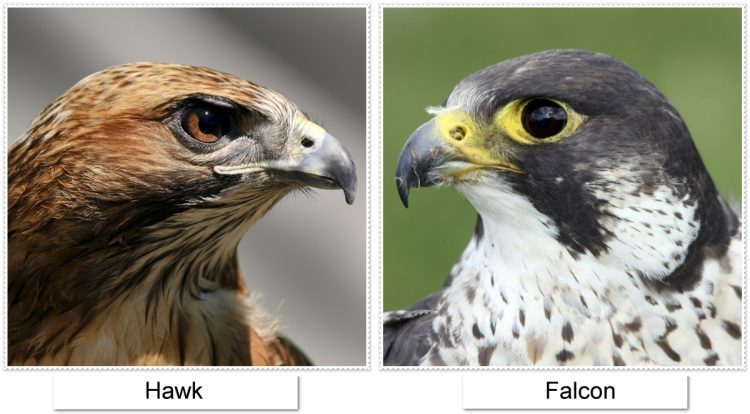
Difference Between Falcon And Hawk, Telling the difference between a falcon and a hawk is a common identification problem, so common that people often ask me for help.

Today I’ll tell you how to identify the birds yourself.

Right off the bat I’m going to narrow the scope.  In western Pennsylvania you can see up to nine hawk and three falcon species depending on time of year and habitat.   To make this manageable I’ll address the most common identification question faced by city folks:  Is this bird a peregrine falcon or a red-tailed hawk?

First, ask yourself several key questions.

Is it a bird of prey?  Birds of prey eat meat so they have hooked beaks (see the tip of the beak) and talons (big claws).  If the bird does not have these features it’s neither a falcon nor a hawk and you can stop right there.

What time of year is it?  Peregrines and red-tails live in western Pennsylvania year round so the time of year doesn’t eliminate either bird due to migration.  However identification is more challenging in June and early July when the juvenile peregrines are flying around town.

Where is the bird?  In what habitat?  Is it in the city on a building? (Could be either a peregrine or a red-tail)  In the suburbs? (likely a red-tailed hawk)  On a bridge? (either bird)  On a light pole over the highway? (likely a red-tail)  In a tree?  (likely a red-tail)  Standing on your picnic table? (likely a red-tail)  Standing on the ground?  (likely a red-tail)  …But in June a juvenile peregrine might be found in some of the “red-tail” places.

Is the bird in the human zone?  Is the bird perched close to humans and doesn’t even care about them?  If so, it’s probably a red-tailed hawk  …but is it June?

Three Basic Ways to Identify Hawks, Eagles, Falcons

Size and Shape

Most birds of prey fall into four major categories. (Northern Harrier, Osprey, and kites are a few exceptions.) These are the core attributes for each:

  • Buteos are the large, broad-winged, short-tailed lugs with spare and labored wing beats.
  • Accipiters are small, narrow-tailed forest dwellers with short, rapid, bursting flaps, punctuated by a glide.
  • Falcons are slender- and pointy-winged speedsters with steadier wing flaps.
  • Big Black Birds (eagles and vultures) are the super-size, darker-plumed titans that make spare use of their wings.

Complexion

Once you’ve sorted your groups, it’s time to narrow down the candidate species. Look for specific features—though fine distinctions in plumage might still be hard to pin down. For instance, the signature double ‘stache on an American Kestrel’s face may not be so obvious, so rely on its overall paleness to help distinguish it from the slightly larger and darker female and juvenile Merlin.

Motion

Manner of flight can also be a defining feature. The American Kestrel’s flight is batty and flat, for example, while the Merlin’s wing beats are fast, powerful, and piston-like. Kestrels float when they glide; the heavier Merlins sink. Peregrine Falcons, on the other hand, have shallow, elastic wing beats—you can practically see the motion rippling down the falcon’s long and tapered wings.

As the bird approaches, make sure to test your hypothesis; other clues will become more obvious as the distance closes. And don’t worry, even the experts get fooled. It’s what keeps them coming back, season after season.

What does it look like?

Red-tailed hawks are bigger than crows.  They are white on their chests and speckled brown on their heads, faces, wings and backs.  Their throats are white but their faces are brown all the way to their shoulders.  They have brown hash mark stripes on their bellies (low, between their legs).  Only adult red-tailed hawks have rusty red tails. Juveniles have brown tails with horizontal stripes.

Adult peregrines are smaller than red-tailed hawks, about the size of a crow but bulkier.  Adult peregrines are charcoal gray and white.  Their backs, wings and heads are charcoalgray, their chests are white and their bellies and legs are heavily striped (horizontally) with dark gray.  Their heads are dark gray and their faces are white with dark gray sideburns called malar stripes.  Peregrines have malar stripes; red-tailed hawks do not.

When it’s flying, does it have “fingers” on the tips of its wings?
Did you see it flying?  Hawks (and eagles and vultures) have “fingers” on the tips of their wings. Falcons have pointy wings.