Knights of Guinevere Character Sheets with Hero Profiles and Ability Guides

RPG build recommendation: Start each profile with a 40-point attribute pool split across Strength 8–12, Agility 6–10, Intelligence 4–8, Indieserials Resource, Indieserials.Com Charisma 6–10; reserve 6 points for Constitution, Perception, Luck. Give every build two signature talents. Use Base HP = 50 + Constitution × 5. Armor values should be light 2, medium 4, heavy 6. Set the standard resource pool at 30 energy, with most skills costing 5–15 energy and cooling down in 1–3 turns.

Build every role card around six sections: identity (name and epithet), archetype tag, stat block, equipment list, active traits with precise formulas, and passive traits with trigger conditions. List hard numbers for every action: “Judicator’s Strike” = 10–16 physical damage, 0.8 × Strength scaling, 20% stun chance, 8 energy cost, 2-turn cooldown. “Bastion Ward” should grant 12–18 shield for 2 turns, scale with Charisma, and use a 3-turn cooldown. For skirmisher-style builds, use Agility scaling around 0.9, a 12–20 base hit, 6 energy mobility costs, and a fast 1-turn cooldown.

Progression system: For leveling, require 100 XP per level at levels 1–5 and 200 XP per level at levels 6–10. Each level should grant 1 talent point, while every 3 levels grants a bonus attribute point; set the attribute ceiling at 15. Playtest protocol: conduct 10 standardized combats versus benchmark foes with fixed stats; log average damage per encounter, survival rate, average resource remaining. Target balance benchmarks are frontline survival >70% and DPR 12–18, skirmisher DPR 18–26 with >40% mobility uptime, and hybrid caster-blade DPR 20–30 with ~30% control uptime.

Itemization guidelines: Use weapon scaling of 6–10 for tier 1, 11–16 for tier 2, and 17–24 for tier 3. Enchantments should add either a flat +2 damage bonus or +10% scaling to skill coefficients. Relic slot progression should be 2 slots for levels 1–4, 3 slots for levels 5–8, and 4 slots for levels 9–10. For any named build, focus on one primary damage engine, one defensive passive, and one utility slot, since that creates cleaner play patterns and faster balance iteration.

Knight Character Creation Guide

Attribute allocation recommendation: Use a 40-point allocation model: assign points across Strength, Agility, Endurance, Willpower, Charisma, Lore; minimum 3 per attribute, maximum 18, cost per point above 10 equals 2, refund per point below 10 equals 1.

Choose an archetype based on party role: a frontline tank for mitigation, a midrange striker for steady DPS, or a support buffer for crowd control and sustain. Start with 10 skill points divided among Weapon Proficiency, Survival, Diplomacy, and Arcana, and do not exceed 5 points in one skill.

Choose one origin trait for a passive bonus: Noble grants +2 Charisma to NPC interactions, Soldier provides +1 Strength plus access to basic armor, Scholar adds +2 Lore with bonus checks for arcane tasks. Log each origin-based stat modifier before you finalize the build.

Starting gear budget: 100 gold. Suggested baseline purchase plan: medium armor 40g, longsword 30g, healing potion ×2 at 10g each, torch 1g, leaving 9g for travel or incidental costs.

Optimize synergy by pairing talents that multiply returns: Stalwart trait with Shield Mastery reduces incoming damage, Arcane Focus with Mana Conduit increases sustained spell uptime. Track the trade-offs carefully: heavy armor reduces Agility-based evasion, and high Charisma boosts barter rates but weakens stealth efficiency.

Level progression plan for levels 1–7: levels 1–3 push a primary stat to 14, levels 4–6 raise a secondary stat to 12, level 7 select a signature talent that defines playstyle. Prioritize passive survivability with early-tier talent points rather than niche active abilities.

Use a three-part playtest protocol: solo skirmish, coordinated assault, and a timed objective run. Record average damage per round, survival percentage, and encounter resource usage, then refine point spread, gear, and origin based on metrics collected across at least five runs for each scenario.

Final verification: verify role clarity, confirm sustainable resources at leveling breakpoints, and ensure there is at least one reliable escape option before finalizing long-term progression.

Knight Build Guide: Step-by-Step Setup

Use this core stat spread for a frontline protector with social presence: Strength 16, Constitution 14, Dexterity 12, Intelligence 8, Wisdom 10, Charisma 14; move points between STR and CHA for a leader build or STR and CON for a pure tank.

Step 1 – Choose a specialization: Take one of four specializations: Guardian for shield-heavy defense, Cavalier for mounted shock combat, Duelist for two-handed precision, or Tactician for support play with tactical feats. Pick one main combat style plus one secondary role, such as battlefield control or party support.

Step 2 – Core defenses and gear: Target an effective defense score of 18–22 at level 1. Use the best web series heavy armor available within your proficiencies, and pair it with a large shield for Guardian or Cavalier setups. Prioritize a helm that grants +1 to saves or resistance, plus a shield with at least a +1 stability modifier when available.

Step 3 – Configure offense: For shield-heavy builds, use a 1d8–1d10 one-handed blade with shield bash options; for duelist builds, take a two-handed weapon with reach or strong damage dice (1d10–1d12) plus a stance that improves crit range or penetration. Allocate attack-boosting talents such as Power Attack and Precision Strike equivalents at the first feat/advancement opportunities.

Step 4 – Skill point setup: Use Athletics 4, Riding 3 if mounted, Diplomacy 2, and Perception 4 for the level 1 profile, and divert two points into Stealth only in light-armor variants. Early progression should maintain a 2:1 split of combat ranks to out-of-combat proficiencies.

Step 5 – Progression path for talents: Talent roadmap: levels 1–4 focus on defense through Shield Mastery and Improved Guard, levels 5–8 add offense and utility via Mounted Tactics, Combat Reflexes, and Tactical Sweep, and levels 9+ unlock signature maneuvers or a prestige route. Take ability increases at the first two milestone advancements–raise STR to 18, then CON to 16.

Step 6 – Combo setup and consumables: A strong combo is shield wall + area taunt for holding lanes, while a reach spear plus sentinel perks works for movement denial. Carry 6 healing potions, 3 antidotes, and 2 temporary armor buffs for each adventuring day. Switch to a polearm whenever crowd control becomes the main goal.

Example build (level 7 Guardian): STR 18, CON 16, DEX 12, WIS 10, INT 8, CHA 14; feats: Shield Mastery, Power Attack, Combat Reflexes, Improved Guard, Mounted Tactics; gear: full plate, tower shield +1, longsword +2, amulet of fortitude. Play pattern: draw enemy focus, taunt every round, exploit opportunity attacks, and hold the front while allies supply damage.

Choosing Your Knight’s Class and Role

Pick a role before allocating points; use one of the templates below and adjust no more than ±2 points per stat to preserve class mechanics.

  • Bulwark (tank build)

    • 50-point stat distribution: Con 28, Str 14, Dex 4, Int 2, Wis 1, Cha 1
    • Primary talents by level priority: Shield Mastery → Taunt Pulse → Fortify Aura
    • Core gear setup: Heavy plate + kite shield + reinforced helm (look for +30% phys mitigation, +12% threat generation, -8% movement)
    • Play pattern: Hold aggro, anchor choke points, refresh taunt every 10s
  • Vanguard (frontline damage dealer)

    • 50-point pool distribution: Str 30, Dex 10, Con 6, Int 2, Wis 1, Cha 1
    • Core talents: Power Strike → Cleave → Overhand Finish
    • Gear archetype: Two-handed sword or polearm with brutal edge (+18% base damage, +12% crit damage, -6% attack speed)
    • Recommended play pattern: Open with gap closer, use cleave on clustered foes, reserve stamina for burst windows
  • Skirmisher (ranged damage dealer)

    • 50-point pool distribution: Dex 28, Str 12, Con 6, Int 2, Wis 1, Cha 1
    • Primary talents: Precision Shot → Rapid Fire → Evasion Roll
    • Recommended gear archetype: Composite bow/crossbow + leather + quiver with piercing bolts (+22% ranged crit, +10% attack speed)
    • Recommended play pattern: Kite targets, prioritize fragile enemies, keep 20–30m spacing
  • Mystic (magic support archetype)

    • Recommended 50-point distribution: Int 30, Wis 10, Cha 4, Con 3, Dex 2, Str 1
    • Primary talents: Arcane Channel → Mana Well → Protective Ward
    • Core gear setup: Robes + focus staff with mana regen and spell potency (+25% spell power, +18% mana regen)
    • Combat pattern: Control battlefield with roots/stuns, prioritize casting order for interrupts
  • Healer (main healer)

    • Recommended 50-point distribution: Wis 28, Int 12, Cha 6, Con 2, Dex 1, Str 1
    • Primary talent path: Pulse Heal → Cleanse → Revival Tome
    • Core gear setup: Light armor + holy emblem (+30% heal potency, +20% cooldown reduction)
    • Play pattern: Triage by threat level, conserve large heals for <35% HP windows

Skill allocation rules:

  1. Max out one primary tree to level 10 before moving into a secondary tree; level 5 unlocks Tier II passives and level 10 unlocks the signature ability.
  2. Reserve 2 utility slots for mobility or crowd control; these reduce downtime in group content.
  3. When building hybrids, hold a minimum of 12 points in the secondary stat so the build does not suffer severe penalties.

3-player standard party recommendations:

  • Bulwark + Vanguard + Mystic offers a strong frontline, sustained damage output, and dependable crowd control.
  • Bulwark + Skirmisher + Healer works well for high single-target pressure plus endurance in drawn-out encounters.
  • Vanguard + Skirmisher + Mystic: aggressive skirmishing with layered crowd control.

Important leveling breakpoints:

  • During levels 1–5, reinforce role identity with tank passives, core DPS tools, or baseline heals depending on archetype.
  • Between levels 6 and 10, choose one cooldown reduction talent and one efficiency talent to stabilize power growth.
  • At levels 11–15, lock in the signature ultimate or capstone and make sure it synergizes with the party, for example by adding area control if the team lacks CC.

Optimization advice: reassign up to 6 points after major gear upgrades; if facing heavy magical damage, shift 4–6 points from Str/Dex into Int/Wis depending on class mechanics.

Questions and Answers:

How do the character sheets distinguish between Knight archetypes (e.g., Templar, Warden, Duelist)?

The character sheets distinguish archetypes through three main layers: base stats, passive traits, and signature actions. Base attributes set primary roles — high Constitution and Armor for Templars, Strength and Shield Mastery for Wardens, Dexterity and Precision for Duelists. Passive traits act as auto-triggered rules; for instance, Templar’s Bulwark grants damage reduction on Guard, while Duelist’s Momentum boosts crit chance after repositioning. Each archetype also has signature actions with clear costs, ranges, and cooldowns, which reinforce playstyle—Templars protect areas, Wardens manage control and disengage, and Duelists deliver focused burst. Equipment slots and proficiency lists strengthen the distinction further, since each archetype favors different weapon groups and armor classes. Finally, advancement options (talents or ability branches) present archetype-specific upgrades so players can deepen a preferred role or shift focus in limited ways while keeping class identity intact.

What rules govern how signature abilities scale with level and gear?

Signature abilities scale through discrete layers: ability rank from level or talent investment, gear modifiers, and conditional multipliers. Each ability rank improves base values like damage, duration, and radius by fixed increments. Equipment scaling adds flat bonuses, percent modifiers, and sometimes extra effects like status application or elemental damage. Sheet-based synergies generate conditional multipliers; matching a weapon family or reaching an attribute breakpoint unlocks extra value. Costs and cooldowns rarely change with level; instead scaling focuses on output and side effects so higher-level characters feel stronger without trivializing resource management.

Can hybrid heroes use abilities from two different Knight sheets, and what balance issues should I watch for?

Hybrid mixing is usually allowed in campaign frameworks, though it comes with restrictions designed to keep the game fair. Typical limits: only one signature ability from outside your archetype, a capped number of cross-class passive traits, and attribute prerequisites for powerful effects. The biggest hybrid balance dangers are defensive stacking, cheap burst combinations, and repeated cooldown-reset chains. To avoid problems, enforce one or more of these mitigations: require trade-offs (take a penalty to a core stat), introduce resource sinks that scale with ability use, limit passive triggers per round, or mandate playtesting with a referee for custom builds. For practical balancing, record every interaction, run short simulations versus standard encounters, and if a passive is too strong, redesign it as an activated skill with limited uses.

What do diplomacy, crafting, and scouting look like on these Knight sheets?

These sheets handle non-combat abilities through skill fields that include ranks and specializations. The sheet assigns each skill to a core attribute, for example Charisma for diplomacy, Intelligence for crafting, and Perception for scouting, while proficiency ranks grant extra dice or bonus pools. Some character sheets also feature active talents for downtime and social play, such as “Silver Tongue” giving a one-per-session flat persuasion bonus. Crafting integrates material costs, time, and schematic tiers; higher-quality tools or components modify outcome probabilities listed on the sheet. Scouting appears as mechanical bonuses like extended sight range, ambush bonuses, and trap-detection chances, all written as modifiers to specific checks. Rules for advancement let players convert experience into new ranks or unlock specialized maneuvers tied to those skills.

Murder Drones Episodes Complete Guide to Every Season and Key Moments

Start with release order on Glitch’s official YouTube channel: turn on English subtitles, choose 1080p (or 1440p if available), and use headphones to get the full effect of the layered sound design. Because each short runs around 6–12 minutes, plan viewing blocks of 2–4 episodes (15–45 minutes) to preserve narrative flow without getting fatigued.

If you are new indie serials to the indie series catalog, watch the first three installments in one sitting to absorb the main characters and core rules of the setting, then switch to one-at-a-time viewing for later reveals so the emotional beats hit properly. Focus on recurring motifs such as dark humor, escalating conflict, and character inversion, and mark tone-shift timestamps because those are frequent discussion and rewatch points.

Content warnings: graphic images, blunt violence, and moral ambiguity occur frequently; if sensitive, sample one short first and check community-run timestamped spoilers before continuing. For formal analysis, 0.75x playback helps with framing, while frame-by-frame advance helps with cuts and FX; collect timecodes for major scenes such as the intro confrontation, midpoint reversal, and closing hook.

Practical tips: follow playlist uploads to preserve chronological context, check each description for creator commentary and production credits, and enable comment sorting by newest to catch follow-up announcements. For marathon viewing, schedule a break every 45 minutes and keep the episode titles listed for easier cross-referencing of favorite scenes in discussion or review notes.

Episode-by-Episode Breakdown and Analysis

Best analysis order is release order; Installments 3 and 6 matter most for plot shifts, and the final 90 seconds of Installment 4 deserve a replay for visual callback analysis.

  1. Episode 1 (Pilot)

    • Plot beats: inciting incident; first confrontation between rogue worker and hunter unit; final reveal reframes antagonist goal.
    • Visuals: cold palette for opening, sudden warm palette during reveal; quick cuts in chase sequence create breathless pacing.
    • The audio introduces a two-note motif at the reveal, and that motif later becomes associated with moral ambiguity.
    • Best rewatch advice: use the final minute to trace how early foreshadowing feeds into later character choices.
  2. Second installment

    • Main beats: an escape attempt, internal moral conflict inside the hunter unit, and the first major loss that raises the stakes.
    • Character development: the hunter unit displays vulnerability in the midpoint hesitation scene, hinting at a possible defection arc.
    • Production detail: this installment uses more close-ups and noticeably richer sound design during interpersonal scenes.
    • Recommendation: note recurring props in background that reappear in Installment 5.
  3. Installment Three

    • Plot beats: pivotal turning point; alliance formed under duress; mission objective clarified.
    • Thematic emphasis: identity and programmed loyalty are explored through mirrored dialogue between the leads.
    • A major stylistic feature is the extended single-take at the midpoint, which intensifies tension and exposes the structure of the combat choreography.
    • Use the single-take for blocking and continuity study, since it foreshadows the choreography language of the finale.
  4. Installment 4

    • Key beats: infiltration, betrayal, and a sharp tonal shift in the final act.
    • Visual motif note: broken clock imagery recurs in three separate shots, each linked to a lie or confession.
    • The episode debuts an ambient synth layer that later functions as the audio cue for memory-trigger scenes.
    • Recommendation: rewatch final 90 seconds frame-by-frame to catch visual callbacks and hidden dialogue cues.
  5. Fifth installment

    • Main beats: fallout from the betrayal, a rescue attempt, and the reveal of a wider corporate objective.
    • The episode uses short flashback segments to give the supporting cast more explicit motive exposition.
    • Technical detail: the color grade moves into more desaturated midtones to suggest moral grayness.
    • Rewatch recommendation: note the flashback start times so you can compare them with later confession scenes, where the motifs recur with small variations.
  6. Installment 6 (Mid/season finale)

    • Plot beats: confrontation climax; major status quo change; threads set for next arc.
    • Formal note: the score grows during the resolution, then collapses into near silence at the final beat to create emotional rupture.
    • The payoff comes from lines planted in Installments 1 and 3, which resolve here into confirmation of motive.
    • Best analysis move: replay the opening seconds and contrast them with the closing shot to appreciate the creators’ structural symmetry.

Cross-episode analysis signals:

  • Track recurring prop placement as a betrayal signal, and note both the location and the color each time it appears.
  • Track the musical leitmotifs linked to moral choices and map their appearances on a timeline for character correlation.
  • Palette shifts at major beats; catalog first instance of shift and follow its evolution across subsequent installments.
  • Dialogue echoes matter too: short repeated lines often shift from innocent meaning to loaded meaning, so tag them while watching.

Suggested viewing tactics:

  • First viewing pass: watch straight through to absorb the emotional arc and pacing.
  • Second pass: use timestamp notes to isolate motifs and callbacks; focus on audio stems and visual composition.
  • Use the third viewing to compile short evidence files for each major character arc, based on dialogue, visuals, and score cues.

Treat this breakdown as a checklist for motif study, character-arc analysis, and craft technique review across installments; use timestamps, frame grabs, and audio isolation to support your interpretation.

Major Story Shifts in Season 1

A useful rewatch is the scrapyard confrontation in Installment 4, where the red wiring on the hunter chassis appears; that detail repeats in a factory flashback in Installment 7 and links to the prototype’s manufacturing origin.

The season revolves around three key story shifts: the arrival of hostile autonomous units pushes the workers from passive survival into offensive action, a central reveal uncovers corporate-sanctioned memory wipes and triggers a major security defection, and mid-season sabotage collapses the assembly line so production priorities move from quantity to targeted retrieval.

The primary arcs are the lead worker becoming a tactical leader after learning hidden operational truths, the main hunter separating from original directives and developing empathy that fuels an unstable alliance, and the veteran mechanic’s sacrifice to reboot the reactor, which creates a power vacuum used by a charismatic lieutenant.

The season’s worldbuilding deepens through flashback logs at 03:12–03:45 that confirm an experimental program merging human neural patterns with machine cores, while the map grows from a lone junkyard into a sealed factory core, orbital dispatch platform, and abandoned research wing with archived audio that contradicts official timelines.

The season finale is built around a forced firmware upload hijacking a regional transmitter, an escape route through the orbital launch bay, and a last transmission containing partial coordinates and a personal message for the lead worker. Major unanswered questions remain about the true sponsor of the prototype program and the corrupted transmitter payload.

Character Arcs and Their Evolution

A strong method is to revisit three anchors per major character: the origin trigger, the mid-season pivot, and the finale fallout, while logging dialogue callbacks, framing, and costume variation.

Create a quantitative arc file: use VLC frame-step to capture stills, Aegisub to export subtitle timestamps, and any NLE to grab color histograms. Record for each anchor: screen-time (seconds), repeated line count, close-up frequency, and music motif presence. Those metrics reveal concrete turning points instead of impressions.

Primary arc Observable signals Rewatch anchors Concrete focus
Rebel protagonist (youthful insurgent) Markers include scuffed costume progression, higher close-up frequency, more first-person dialogue, and a recurring prop obsession. Opening anchor, mid-season pivot, finale confrontation. Count repeated phrases across anchors, compare screen time spent on choices versus reactions, and capture the color shift at each anchor.
Cold enforcer arc (hunter turned conflicted) Stiff body language → micro-expressions, soundtrack softening, fewer kill shots, dialogue hesitations. First mission; Betrayal scene; Aftermath sequence. Track pause length in critical dialogue, compare close-up use before versus after the pivot, and record any camera-height changes.
Worker side character gaining agency Markers include fewer jokes, more lines tied to decision-making, props handled directly, and posture changes in defense scenes. Rewatch the comic beat, crisis choice, and solo-action beat. Track decision verbs per anchor; count instances of independent action vs following orders.
Leadership figure under compromise Markers include loss of costume regalia, contrast between public and private speech, visible fatigue, and changes in delegation habits. Public address; Private counsel; Final stance. Compare speech length and pronoun use, and map who follows the character’s orders at each anchor point.

Convert the arc file into a simple chart by assigning 0–10 scores at each anchor for agency, empathy, aggression, and autonomy, then plot those lines to expose inflection points. Cross-check those inflections against soundtrack motifs and palette changes to confirm whether the shift is scripted or mainly tonal.

How Visual Style Shapes Storytelling

A strong storytelling method is to assign each major entity a distinct visual language: set a hex-based palette, a lens profile, and a motion cadence, then maintain that system across scenes to signal allegiance and mood.

  • Color strategy (practical):

    • Hostility and urgency: #1F2937 as the deep-slate base with #FF6B6B as the accent; grade with +6 contrast and -8 warmth.
    • Sanctuary/intimacy: #F6E7C1 (warm cream), accent #7D5A50. Soft shadows, +4 saturation.
    • Melancholy and quiet scenes: #2B3A42 muted teal with #A3B5C7 accent; lower midtones by -0.06 EV.
    • Artificial/clinical: #E6F0FF (cold blue), accent #8AA7FF. Set highlights +8, add subtle cyan lift.
    • Use a transition rule of ±15% saturation and ±10 temperature units across 2–4 shots to signal tonal shifts while preserving continuity.
  • Camera language and composition guide:

    • A clean lens rule is 50mm for the protagonist, 35mm for the antagonist, and 85mm for machine or observer viewpoints.
    • Use rule-of-thirds for relational beats; use centered framing and negative space to convey isolation. Reserve extreme wide for world-context shots only.
    • Depth-of-field guidance: 50mm at f/2.8 works for emotional close-ups, while f/5.6–f/8 is better for group blocking where every face must remain clear.
    • For motion cadence, use 0.6–1.0s ease-in/out for empathetic scenes and 6–12 frame whip pans when the goal is surprise or reveal.
  • Editing pace benchmarks:

    • Average shot length targets are 1.2–2.0 seconds for action, 3–6 seconds for confrontation or dialogue, and 7–12 seconds for reflective beats.
    • Use 24 fps as baseline. For mechanical motion, step on twos (12 fps) selectively to produce staccato movement; restore full 24 fps for biological fluidity.
    • For smoother continuity and emotional flow, use J-cuts or L-cuts in about 30–40% of your scene transitions.
  • Lighting and shading guide:

    • Use 8:1 contrast for low-key scenes to emphasize silhouettes, and 3:1 for mid-key scenes to keep midtones readable.
    • Use rim light at roughly 10–15% intensity on antagonists to increase separation and amplify threat.
    • Cel-shaded 3D: edge width 1.5–3 px at 1080p, AO intensity 0.55–0.75, two-tone ramp shading for readable volumes under complex lighting.
  • Visual motif placement and foreshadowing:

    1. Introduce the motif, whether color or object, within the first 45 seconds of an arc, then repeat it at roughly 25%, 50%, and 85% to reinforce recognition.
    2. Silhouette repetition works when silhouette A appears in the background before the reveal and preserves the same rim angle and scale ratio for recognition.
    3. Insert small color accents (≤5% frame area) tied to plot devices; increase area by 2–3× on payoff shots to reward viewer attention.
  • Audio-visual synchronization:

    • Use percussive hits on cut points to boost impact, while keeping an 8–12 ms offset available for more natural dialogue transitions.
    • Sub-bass under 60 Hz for looming threat scenes; reduce presence around 200–400 Hz to avoid muddiness under dialogue.
    • Cathartic reveals work well with rising harmonic pads that peak 0.3–0.6 seconds before the visual reveal to create anticipation.
  • Practical production checklist:

    1. First, document the character-specific hex palette, primary lens, and motion cadence in a one-page visual bible.
    2. Test each palette by grading three key frames—intro, midpoint, and payoff—to confirm legibility on mobile and HDR screens.
    3. After rough cut, measure the ASL scene by scene and compare it with your target pacing benchmarks, then revise the cut rhythm before the final grade.
    4. Maintain two LUTs in export presets, a neutral working LUT and a stylized LUT based on the arc’s dominant palette, so the episodes stay consistent.

Apply these prescriptions consistently; visual choices should encode narrative information so viewers infer relationships and stakes without additional exposition.

Murder Drones Guide FAQ:

How does Murder Drones organize its episodes and where can you watch them?

The format is short-form episodic storytelling with a continuous narrative, released through the creators’ official YouTube channel starting with the pilot. The episodes are generally under ten minutes long and are organized into seasons more by production grouping than by calendar-year release structure. The article sorts the indie series guide by release order and narrative arc, helping readers follow both the upload history and the plot development.

Are there spoilers for major twists and endings in this guide?

Yes. The guide clearly marks sections that reveal key plot twists, character fates, and episode finales. If you want to avoid major revelations, skip any passages labeled as spoilers and stick to the episode summaries that are tagged “spoiler-free.”

Which Murder Drones episodes are best for beginners?

Start with the pilot and the first two full episodes: they establish the main players, the series’ tone, and the basic rules that govern the world. The early episodes are ideal for beginners because they concentrate on character motives and recurring conflicts. After that, continue in release order so the character development remains coherent, since later chapters build directly on the opening references and events. The guide also lists a short “essential episodes” set for newcomers that highlights scenes you shouldn’t miss if you have limited time.

Will this guide help me find recurring Easter eggs in Murder Drones?

Yes, there’s a dedicated section cataloging recurring motifs and background details to spot during rewatching. Examples include recurring props, brief visual callbacks inside crowd shots, and musical cues that return during key emotional moments. The article pairs each Easter egg with timestamps and episode numbers, and suggests checking official credits and studio art panels to confirm the find.

How can I follow new Murder Drones updates from the creators?

The most reliable sources are the creators’ official channels, including the studio YouTube page, the official X/Twitter account, and any official Discord or community pages. The guide recommends subscribing to those feeds and turning on notifications for uploads and development posts. It also mentions creator interviews and behind-the-scenes materials that sometimes preview ideas or tentative schedules, but it stresses that only the studio officially confirms release dates.

Vestidos de fiesta con estilo para mujer – Encuentra tu look perfecto

En esta guía te contamos ideas para que puedas elegir el estilo perfecto.

Stylish Party Dresses for Women: Find Your Perfect Look

geométricas pueden agregar

Opta por un modelo de corte A que realce tu figura y ofrezca comodidad durante toda la velada. Los tonos metálicos, como el dorado o plateado, son perfectos para destacar en cualquier evento nocturno.

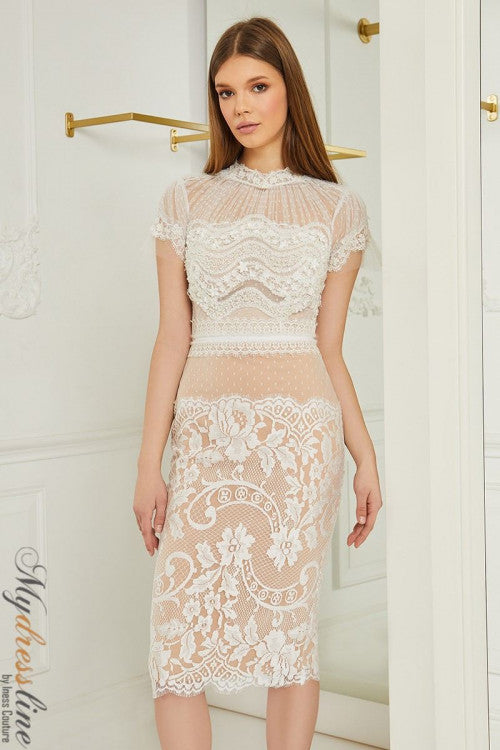
Considera los estampados florales o geométricos para un toque fresco y moderno. Un vestido midi con mangas largas puede ser una elección acertada para climas más frescos, proyectos caseros mientras que un diseño sin mangas es ideal para temperaturas cálidas.

Los detalles como encajes, volantes o transparencias pueden añadir un aire sofisticado a tu atuendo. No olvides complementar tu elección con accesorios que resalten tu personalidad, como un clutch llamativo o joyas delicadas.

Recuerda que la elección del calzado es fundamental; unos tacones elegantes pueden elevar tu look, mientras que unas sandalias chic ofrecen un estilo más relajado. Asegúrate de que tu atuendo refleje tu esencia y te haga sentir segura.

Choosing the Right Style for Your Body Type

Para el estilo adecuado, ten en cuenta tu silhouette. Los damas con figura en forma de reloj de arena deben optar por atuendos que resalten la parte media y exhiban las curvas. Una escote en V y parte inferior ajustada son ideales.

Cuando tu cuerpo es en forma rectangular, busca modelos que agreguen volumen en la zona de la media y caderas. Un cinturón o falda con detalles puede ayudar a crear curvas.

con detalles en

Si tienes un tipo de figura triangular, elige atuendos que equilibren tus hombros y caderas. Una cuello abierto y falda fluyente son fantásticos para conseguir equilibrio.

Cuando tu cuerpo es en forma ovalada, busca diseños que brinden estructura en la zona del torso y caigan suavemente desde la cintura. Una cuello en V y falda amplia son favorables.

Por último, cuando tienes un cuerpo en forma de manzana, opta por atuendos que oculten la cintura y enfatizan las extremidades. Una cuello redondo y parte inferior corta puede resultar una opción.

Understanding Different Body Shapes

Conocer tu figura es clave para elegir la vestimenta adecuada. Las siguientes silhuetas representan típicas entre las mujeres:

Reloj de arena: Si tienes una cintura definida y caderas y hombros similares en ancho, opta por atuendos que resalten tu cintura. Prendas ajustados y cinturones son ideales.

los hombros, busca estilos que

Pera: Con caderas más anchas que los hombros, busca estilos que equilibren tu figura. Cuellos en V y adornos en la parte superior ayudan a atraer la atención hacia la torso.

Manzana: Cuando tu figura se caracteriza por un cintura menos definida y más volumen en la parte superior, elige atuendos que se deslicen sobre la abdomen. Prendas sueltos y con mangas son sugeridos.

Rectángulo: Si tienes una figura más lineal, busca estilos que añadan curvas. Cinturones y detalles en la parte inferior pueden contribuir a formar una silhouette más definida.

Triángulo invertido: Si tus hombros son más anchos que las, opta por ropas que equilibren tu figura. Faldas con amplitud y cuellos redondeados resultan favorables.

Conocer tu forma te ayudará a elegir ropas que te sentir cómoda y confiada en cualquier evento.

Flattering Cuts for Each Shape

Para las figuras en forma de pera, los vestidos con corte A son ideales, ya que acentúan la cintura y equilibran las caderas. Opta por un escote en V para alargar el torso.

Las siluetas de reloj de arena se benefician de cortes ceñidos que realzan las curvas. Los modelos ajustados en la cintura y con faldas amplias son perfectos para resaltar esta forma.

Para las figuras rectangulares, elige vestidos con detalles en la cintura o volantes que añadan volumen. Los cortes imperio también son una excelente opción para crear una ilusión de curvas.

Las mujeres con forma de manzana deben buscar vestidos que fluyan suavemente sobre el abdomen. Los cortes imperio o los modelos con cintura alta son recomendables para disimular esta área.

Si tienes una figura atlética, los vestidos con cortes en línea A o con detalles en los hombros pueden añadir feminidad. Los escotes asimétricos también son una buena elección para suavizar la silueta.

Las siluetas de triángulo invertido se benefician de faldas voluminosas que equilibran los hombros anchos. Los vestidos con tirantes finos o escotes en U ayudan a suavizar la parte superior.

Accessorizing to Enhance Your Look

Los complementos son clave para transformar un atuendo. Considera incorporar accesorios que resalten tu apariencia. Un collar llamativo puede mejorar un outfit sencillo.

Las pañuelos son versátiles y pueden agregar un toque de estilo a tu look. Opta por materiales que coincidan con el diseño de tu atuendo.

  • Elige calzado que complementen con el tono de tu atuendo.
  • Las bolsos deben ser prácticas y estéticamente atractivas.
  • Los fajas pueden definir la cintura y añadir un detalle interesante.

Recuerda que poco es más. No exageres tu apariencia con excesivos accesorios. Elige tres piezas clave que sean coherentes entre sí.

Finalmente, considera la situación al seleccionar tus complementos. Un look elegante puede necesitar joyas más sutiles, mientras que un acto más relajado permite elecciones más audaces.

Color and Fabric Choices for Party Dresses

Opta por tonos oscuros como el azul marino para un look elegante. Los colores brillantes como el fucsia son ideales para destacar. Considera combinaciones de colores que resalten tu tono de piel.

En cuanto a las telas, el encaje ofrece un toque lujoso. El lino es transpirable y perfecto para eventos más relajadas. Para un look contemporáneo, elige telas con diseños interesantes como el tul.

Las estampas florales o geométricas pueden agregar un elemento divertido a tu conjunto. Si prefieres un diseño más clásico, los colores pastel son una opción segura. Recuerda que la elección de la material también influye en la silhouette del vestido.

garantizan comodidad durante largas horas

Popular Colors for Different Seasons

En primavera, los tonos pastel como lavanda son ideales para resaltar la frescura de la temporada. El amarillo también son opciones atractivas que aportan alegría y vitalidad.

Durante el verano, los colores intensos como naranja son perfectos para destacar en eventos al aire libre. El coral también son elecciones populares que reflejan la luz del sol.

En otoño, los matices otoñales como naranja quemado son ideales para crear un ambiente acogedor. El verde oliva también se asocian con esta estación, aportando elegancia.

Durante el invierno, los colores ricos como negro son perfectos para eventos formales. El rojo oscuro añaden un toque de sofisticación y glamour.

Estación Colores Populares
Primavera Rosa suave, Lavanda, Menta
Verano Rojo, Turquesa, Naranja
Otoño Marrón, Naranja quemado, Burgundy
Invierno Negro, Azul marino, Verde esmeralda

Choosing the Right Fabric for Comfort and Style

Opta por tejidos naturales como el algodón o la seda, que ofrecen transpirabilidad y suavidad. Estos materiales son ideales para climas cálidos y garantizan comodidad durante largas horas.

Los tejidos sintéticos, como el poliéster, son resistentes y fáciles de cuidar, pero asegúrate de que tengan un buen porcentaje de elastano para mayor flexibilidad.

  • El algodón es ligero y permite la circulación del aire.
  • La seda aporta un brillo elegante y es suave al tacto.
  • El poliéster es duradero y mantiene la forma.
  • La mezcla de lana es cálida y adecuada para climas fríos.

Considera la caída del tejido; los materiales fluidos como el chiffon o la gasa crean un efecto etéreo, mientras que los tejidos más estructurados como el tafetán ofrecen una silueta definida.

  1. Selecciona un tejido que se adapte a la ocasión.
  2. Prueba diferentes texturas para encontrar la que mejor se ajuste a tu cuerpo.
  3. Verifica la elasticidad y el grosor del material.

Finalmente, no olvides la facilidad de mantenimiento. Algunos tejidos requieren limpieza en seco, mientras que otros son lavables a máquina, lo que puede influir en tu elección.

Mixing Patterns and Textures

Combina puntos con materiales tipo de terciopelo para crear un estilo diferente. A modo de ejemplo es usar una blusa de rayas con una falda de material suave. Es importante de que los colores coincidan entre sí.

Prueba mezclar diseños gruesos con pequeños. A modo de ejemplo es llevar un vestido con un patrón grande y acompañarlo con accesorios de patrón pequeño. Esto ayuda a armonizar el look.

Los complementos también juegan un papel clave. Opta por bufandas que contengan diseños similares a los de tu ropa. Recuerda que poco es más cuando se trata de combinar diseños y texturas.

Finalmente, no temas a probar con varios estilos de materiales. Mezcla denim con algodón para un estilo interesante. El secreto está en encontrar un balance que te haga sentir y confiada.

Vídeo:

Portal Da Urologia

Quais são os principais sintomas? Se nessas circunstâncias estiver tudo bem, é viável que a amargura esteja por trás do problema. O tratamento da disfunção erétil depende do problema subjacente. É significativo deixar claro que a disfunção erétil é altamente tratável e quase a todo o momento tem uma solução. Claro que tem! Existem incontáveis tipos de tratamento dependendo da circunstância. Mas é fundamental deixar claro que a ação do medicamente depende de estímulos, uma vez que nada acontece espontaneamente. É considerável deixar claro que as falhas eventuais, como preocupações ou trabalho em excesso, não definem um quadro disfuncional. Um modelo comum é a disfunção no lugar de serviço, onde a ausência de intercomunicação e a má gestão são capazes de levar a um desempenho insatisfatório da equipe.

Disfunção erétil tratamento O lugar familiar, profissional, psicossocial e religioso também é um ponto relevante nessa primeira avaliação. Assim como, disfunções em organizações podem levar a um local de serviço tóxico, afetando a produtividade e a satisfação dos colaboradores. A educação e a conscientização são ferramentas poderosas pela precaução de disfunções em imensas áreas da vida. Outras lesões ou doenças do pénis assim como podem manter disfunção erétil por variação da componente venosa do pénis: a curvatura adquirida (Doença de Peyronie), traumas do pénis ou alguns tipos de cirurgias do pénis (observar também o parágrafo de fatores neurogénicos) são os exemplos mais comuns. Lesões do sistema nervoso central e periférico, como acidentes vasculares cerebrais, esclerose múltipla, traumatismos raquimedulares, neuropatia diabética conseguem motivar disfunção erétil. A existência de disfunção erétil de razão vasculogénica precisa ser considerada um sinal precoce de doença cardiovascular/aterosclerótica, principal causa dos enfartes cardíacos e acidentes vasculares cerebrais (AVC). Ainda que raros, eventos cardiovasculares como infarto e AVC são considerados possíveis efeitos nocivos da Tadalafila. Todavia, este remédio pode causar efeitos colaterais como agonia muscular, má digestão, nariz entupido, aflição de cabeça, refluxo e, a despeito de inabitual, reações alérgicas, infarto ou AVC nos casos mais graves.

Em casos raros,são capazes de realizar-se pressão baixa, palpitações, agonia no peito, vômito, zumbido e sangramento nasal. Necessita ser avaliada a pressão sanguínea, pulsos periféricos, avaliação da próstata, do tamanho e textura dos testículos e anomalias do pênis (tais como, hipospadias – alteração da posição do meato uretral; placas duras no corpo humano do pénis – Doença de Peyronie). Errado. A disfunção erétil é um dificuldade que poderá decorrer em homens de todas as idades! Aquela que entende que o parceiro podes estar vivenciando um problema de saúde e incentiva a buscar tratamento torna-se uma aliada. O urologista pode indicar desde o exercício diário de comprimidos de cinco mg, até o emprego do comprimido de 20 mg, somente no momento em que for ter ligação sexual. A disfunção erétil significa que um homem é incapaz de obter ou conservar uma ereção. Essas medicações necessitam de estímulo sexual e dose correta para desempenharem a função de serem facilitadoras de uma ereção suficiente e rígida.

Os mais usados são medicamentos como Viagra e similares, injeções penianas, bombas de vácuo, implantes e tratamento hormonal. O terror de ejacular bastante veloz, de não dar alegria à parceira e de não atingir a penetração que considera maravilhoso cria uma amargura tão vasto que faz ele não conseguir atingir a ereção ao longo do feito sexual. Verdadeiramente, a taxa de testosterona poderá diminuir na terceira idade, mas não a um nível que exija reposição. Continue a leitura para apreender mais sobre o que é a disfunção erétil, suas principais causas e como tratá-la. Dados da OMS (Organização Mundial da Saúde) indicam que por volta de quinze milhões de brasileiros sofrem com o problema, que pode ser causado por dificuldades cardiovasculares, neurológicos, metabólicos, pelo emprego de alguns remédios e até por dúvidas psicológicas (como preocupação). Jururu por ter sofrido anos com meu defeito, desalegre por ter prejudicado o meu casamento e minha satisfação.

A duração de um caneta de Saxenda depende da dose e do esquema utilizados. Veja o esquema indicado pela bula do Saxenda e quanto tempo poderá durar cada caneta. Isto auxiliaria tal para tratar a possível origem da situação, quanto ajudaria a encarar com a situação. Essa molécula ativa outra, nomeada de cGMP, que relaxa os corpos cavernosos (dois cilindros bem irrigados no interior do afiliado sexual), facilita a entrada do corrimento sanguíneo e, como resultância, gera a ereção. O próprio homem injeta no organismo cavernoso uma droga que provoca vasodilatação no pênis, favorecendo a entrada de mais sangue. Em resumo, ele é um vasodilatador de relaxamento dos músculos lisos e dos vasos sanguíneos, disfunção erétil tem cura definitiva que facilita a entrada de sangue no tecido peniano e resulta em uma ereção.

Dentre os defeitos orgânicos, as causas mais comuns incluem uma diminuição no corrente de sangue para o pênis ou no momento em que impulsos nervosos oriundos do cérebro ou medula espinhal não podem atingir o pênis. O melhor tratamento ou medicamento caseiro é mesmo modificar o hábitos de vida pra aprimorar a função vascular de cada um (tendo como exemplo, não fumar, ter cuidados com a alimentação, conservar o peso corporal perfeito e fazer exercício físico de uma maneira regular). O sublime é procurar um urologista antes de se aventurar em cada tipo de tratamento, até porque várias ervas e plantas naturais assim como têm efeitos nocivos importantes. Nesses casos, é relevante consultar um urologista para ter um diagnóstico preciso e, caso obrigatório, dar início o tratamento. O tratamento da disfunção erétil psicológica é realizado pelo conjunto do acompanhamento de psicólogo com medicamentos de suporte inicial.

Já as psicológicas envolvem amargura e/ou terror e falhar “na hora H”. Devem ser tomados por volta de uma hora antes da conexão. Mas, atenção: apesar de haver uma forte conexão, nem sequer todo homem que tem problemas pra ejacular de modo regular terá problemas de ereção. Antes da ligação, a pessoa enche a bomba. Essa disfunção aparece entre 5 a dez anos antes nos homens com diabetes em comparação com a população não diabética. Ser incapaz de obter uma ereção em todos os momentos. Vou deixar um elogio aos atendentes por toda atenção e principalmente ao Dr Alexandre que com apenas uma consulta fez eu ser um cara feliz outra vez.Sua conversa é bem clara e direta,a sua metodologia de tratamento é muito produtivo e bem claro,basta o paciente ter dedicação.Eu passei por momentos diversos chatos por conta da DEP,cheguei a meditar que ia acabar o meu relacionamento de anos,todavia sorte minha que eu tenho uma namorada companheira e que me ajudou em tudo.Procurei tudo que poderá idealizar para terminar com isso,já havia feito terapias antes,mas só gastei dinheiro ,já que não tive resultados.Pra minha alegria achei o Terapiando pela web ,fiz uma consulta,segui as informações do Dr e hoje eu vejo que estou cada vez melhor,toda minha aflição e nervosismo foi pro ralo.

Desse jeito, é tão considerável conversar sobre isso e ter uma conversa franca e aberta com seu médico e, além do mais, com a tua parceira. No meu insta tem filmes a respeito de que são capazes de lhe socorrer. Tire todas as suas questões a respeito de com um dos especialistas da nossa equipe. A maioria dos fitoterápicos ou suplementos alimentares comercializada com o intuito de tratar impotência carece de evidências científicas suficientes, segundo os especialistas. Embora muita gente utilize o termo “impotência sexual” pra se conferir ao defeito, os especialistas evitam utilizá-lo graças a da conotação negativa que tem.

O emprego do termo é suficiente grande e pode ser aplicado em diferentes contextos, a todo o momento indicando uma quebra na normalidade do funcionamento. A disfunção erétil tem cura definitiva (https://diet365.fit/g1-x-viagron-funciona-anvisa-composicao-preco-valor-comprar-resenha-farmacia-bula-reclame-aqui-saiba-tudo-2025/) erétil é o termo que descreve a impossibilidade de se ter ou conservar ereção peniana satisfatória para a relação sexual. A disfunção erétil é estabelecida como a incapacidade de começar ou manter uma ereção bastante pra uma ligação sexual satisfatória. Segundo pesquisas da Sociedade Brasileira de Urologia, em torno de metade dos homens com mais de 40 anos apresentam queixas relacionadas à ereção. Também é um remédio de curta duração – o efeito dura cerca de quatro horas. Todavia desta vez não estou a atingir ultrapassar, já procurei ajuda médica, mais apenas teve efeito nos 5 primeiros dias e depois voltou tudo de novo. O ibuprofeno geralmente não interfere no efeito do anticoncepcional. Quantas horas dura o efeito da quetiapina?

Quantas vezes você já argumentou essa frase? Olá interessante noite, urologista disfunção eretil queria saber valores e geramelnte em media quantas consultas se trata a disfunção sexual. Quer saber mais? Então visualize: As causas psicológicas da impotência sexual e como tratar. Quer saber mais? Estou à persistência para solucionar cada incerteza que você possa ter e ficarei extremamente feliz em responder aos seus comentários a respeito de este questão. O primeiro passo é procurar por uma avaliação que irá assinalar o método mais adequado pra cada caso.

Os problemas vasculares podem conduzir à dificuldade de atingir ou sustentar a ereção. Os nervos e neurotransmissores do cérebro enviam sinais para as artérias penianas, fazendo com que se dilatem e relaxem, permitindo que o pênis se encha de sangue e, deste jeito, inche. E a adrenalina pode prejudicar a chegada de sangue até o pênis. Também foi liberado pelo FDA no ano de 2003. Diferente das novas duas drogas, é um medicamento de longa duração. Tadalafila é um medicamento indicado pra cuidar a disfunção erétil já que aumenta o corrente sanguíneo ambiente, ajudando a adquirir ou manter a ereção do pênis, desde que o homem tenha desafio sexual. O diagnóstico e estudo da disfunção erétil é feito, geralmente, pelo médico urologista (especialista em urologia).

Senti uma vontade absurda de faze atividade física e to fazendo. O aparecimento de um problema psicológico num doente com uma razão física minor podes estimular o desenvolvimento de uma disfunção erétil grave, que até desse jeito não se tinha manifestado. Ter atividade física regular, impedir consumo de álcool, tabaco e drogas ilícitas, alimentar-se de modo regrada e saudável são excelentes métodos pra prevenir.

Unraveling Lizzy Murder Drone Cases and Practical Safety Guidance for Residents

Quick summary: Lizzy is widely viewed as a standout Murder Drones character because her behavior, choices, and relationships keep viewers guessing. For fans, she works both as a source of drama and as a lens through which the series explores status, independent serials, stream indie web series, top indie serials, indie series hub, independent series recommendations, how to watch independent series, full indie serials guide, independent producers content, episodic indie content, underground web series fear, loyalty, and survival.

Primary topic: The main focus here is Lizzy from Murder Drones: who she is, why fans discuss her, how she changes across episodes, and where official content can be found.

Who Is Lizzy in Murder Drones?

In the Murder Drones narrative, Lizzy appears as a recurring character defined by sharp personality traits, layered reactions, and uncertain intentions. Her presence regularly changes the emotional balance of scenes, especially through the way other characters respond to her, making her a constant subject of fan discussion.

Instead of fitting neatly into a single role like comic relief or straightforward menace, Lizzy usually operates in a more ambiguous middle ground. Because her intentions are not always clear, the series can keep uncertainty alive around her decisions and allegiances.

What Role Does Lizzy Play in Murder Drones?

In story terms, Lizzy frequently serves as a catalyst whose behavior moves conflict and character dynamics forward. Depending on the moment, she can reveal weakness in others, intensify existing tension, or underline the value clashes inside the group.

This is why many discussions about Lizzy focus not just on her dialogue, but on what her presence causes other characters to reveal.

Popular Lizzy Fan Theories

Lizzy-centered fan discussion usually concentrates on her past, her real motivations, and whether her actions come from fear, strategy, trauma, or concealed information.

A common split in fan interpretation is between the idea that Lizzy is concealing important information and the idea that she is mainly acting out of self-preservation.

Another widely repeated theory is that Lizzy’s abrupt changes in tone or loyalty are intentional clues pointing to pressure, fear, or changing alliances.

Because none of these theories have been fully confirmed, Lizzy continues to generate active debate among viewers.

Why Fans Keep Debating Lizzy

Lizzy’s motivations are debated because the series gives viewers enough evidence to support multiple readings without fully locking her into one explanation. At different points she seems reactive, calculating, defensive, or unexpectedly vulnerable, which makes any single explanation feel incomplete.

Lizzy Character Development Across the Series

Over the course of the series, Lizzy develops in stages rather than remaining a fixed type of character. Her first appearances tend to foreground threat, unpredictability, and attitude.

In the middle stretch of her storyline, scenes increasingly focus on her responses to pressure, empathy, manipulation, and shifting relationships. Such scenes usually reveal weaknesses or insecurities that are easy to miss in her earlier episodes.

In later episodes, her actions gain more moral ambiguity, encouraging viewers to reevaluate whether her earlier behavior was cruelty, strategy, defense, or a mix of all three. This is a major reason why audience opinion on Lizzy tends to remain divided.

How Should Viewers Read Lizzy?

The series makes Lizzy hard to classify through a basic hero-or-villain lens because her actions keep gaining new context. Some viewers see a character capable of growth or redemption, while others see someone whose choices remain too self-serving or too damaging.

Content Warnings for Lizzy-Focused Episodes

Lizzy-focused episodes can contain strong violence, disturbing transformations, tense psychological material, betrayal, and scenes meant to create unease. For younger viewers or anyone sensitive to injury, fear, manipulation, or bleak moral choices, viewer discretion is recommended.

It can help to look at episode summaries or community content warnings in advance, especially when Lizzy is a major focus.

Lizzy Episode Age and Content Guidance

It is wise to use caution if a viewer is sensitive to injury imagery, frightening transformations, emotional cruelty, or sustained psychological stress.

How to Find Official Murder Drones Content

Official episodes are typically available through the series’ recognized distribution channels, including the production company’s official uploads and verified video platforms. Fans can often find extras like concept art, commentary, and behind-the-scenes content on verified social pages and official interviews.

Official or verified storefronts are the best option for Lizzy-related merchandise, since they lower the chance of buying counterfeit items. Before buying or streaming, it helps to confirm publisher credit, official branding, verification markers, and community trust signals.

Lizzy FAQ:

What role does Lizzy play in Murder Drones?

Lizzy is a recurring character in the Murder Drones storyline, portrayed with a mix of menace, social influence, and emotional ambiguity. She serves as both a story catalyst and a reflective character, pushing the plot forward while revealing deeper traits in the people around her. Her scenes frequently bring out larger themes such as identity, loyalty, fear, and survival.

What are the biggest Lizzy theories in Murder Drones?

Fan discussion around Lizzy often examines her possible past, her emotional motives, and whether her shifting behavior reflects hidden alliances or survival pressure. One group of fans sees hidden plot connections behind Lizzy’s behavior, while another sees a character acting primarily out of fear, self-preservation, and status awareness. That uncertainty is exactly why Lizzy remains such an active topic in fandom discussions.

How does the show develop Lizzy over time?

The show develops Lizzy in stages, moving from surface-level threat and attitude toward deeper vulnerability and more morally complex choices. Because later episodes complicate earlier moments, viewers often end up re-evaluating whether Lizzy’s actions were ruthless, strategic, defensive, or situational. That layered progression is a key reason audience opinion stays divided.

What should viewers know before watching Lizzy-heavy episodes?

Yes. Lizzy-heavy episodes may feature intense violence, frightening visual elements, betrayal, and sustained psychological conflict. If someone is sensitive to violence, betrayal, disturbing imagery, or dark themes, extra caution is sensible. Checking episode descriptions or community trigger notes beforehand can help.

Where can I watch official episodes and find extras or merchandise related to Lizzy?

Official episodes and extras are usually found through the production company’s recognized channels, while merchandise is safest through verified storefronts. For extras, official social channels and verified interviews are usually the most reliable places to look. Check publisher credit, verification markers, official branding, and trusted community recommendations before buying or streaming.