Murder Drones Episodes Complete Guide to Every Season and Key Moments

Watch in release order on Glitch’s official YouTube channel: activate English subtitles, stream in 1080p or 1440p when possible, and wear headphones to catch the full layered audio design. Each short runs roughly 6–12 minutes, so schedule viewing blocks of 2–4 installments (15–45 minutes) if you want to keep narrative momentum without fatigue.

If you are new to the Indie Series directory, the best approach is to watch the first three installments together for setup, then continue with one-at-a-time sessions for later reveals so the emotional moments land better. Pay attention to recurring motifs (dark humor, escalating conflict, and character inversion) and timestamps where tone shifts–these are common points for discussion or rewatch notes.

Content warnings: graphic images, blunt violence, and moral ambiguity occur frequently; if sensitive, sample one short first and check community-run timestamped spoilers before continuing. If you are researching or critiquing the series, slow playback to 0.75x for framing study or use frame-step to inspect cuts and visual effects, and save timecodes for the intro confrontation, midpoint reversal, and closing hook.

Practical tips: follow playlist uploads to preserve chronological context, check each description for creator commentary and production credits, and enable comment sorting by newest to catch follow-up announcements. If you plan a marathon, set breaks every 45 minutes and keep episode titles handy for cross-referencing favorite moments during discussions or reviews.

Murder Drones Episode Breakdown and Analysis

Best analysis order is release order; Installments 3 and 6 matter most for plot shifts, and the final 90 seconds of Installment 4 deserve a replay for visual callback analysis.

  1. Installment 1 – Pilot

    • Key beats: inciting incident, first rogue worker versus hunter unit confrontation, and a final reveal that redefines the antagonist objective.
    • Visual style: cold opening palette, sudden warm shift during the reveal, and rapid cuts in the chase sequence to create urgency.
    • Audio: two-note motif appears at reveal and recurs later as leitmotif for moral ambiguity.
    • Recommendation: rewatch last minute to map early foreshadowing onto later character choices.
  2. Installment Two

    • Plot beats: escape attempt; moral conflict within hunter unit; first major loss that raises stakes.
    • Character development: the hunter unit displays vulnerability in the midpoint hesitation scene, hinting at a possible defection arc.
    • The episode raises its close-up usage and intensifies sound-design detail during interpersonal moments.
    • Note the recurring props in the background, since they come back in Installment 5.
  3. Third installment

    • Key plot developments: major turning point, forced alliance, and a clearer statement of the mission objective.
    • Thematic focus: identity and programmed loyalty explored through mirrored dialogue between leads.
    • Stylistic choice: extended single-take sequence around midpoint amplifies tension and reveals choreography of combat.
    • Rewatch suggestion: pause inside the single-take to study blocking and continuity, since the sequence foreshadows the finale’s choreography.
  4. Fourth installment

    • Plot beats: infiltration; betrayal; rapid tonal shift in final act.
    • A key visual motif is the repeated broken clock imagery, which appears in three shots tied to lies or confessions.
    • Sound cue: ambient synth layer introduced here becomes cue for memory-trigger scenes later.
    • Recommended analysis method: replay the final 90 seconds frame-by-frame to identify callbacks and buried dialogue cues.
  5. Episode 5

    • Main beats: fallout from the betrayal, a rescue attempt, and the reveal of a wider corporate objective.
    • The episode uses short flashback segments to give the supporting cast more explicit motive exposition.
    • Technical detail: the color grade moves into more desaturated midtones to suggest moral grayness.
    • Track the flashback start times and compare them later with confession scenes, because the motifs repeat with subtle variation.
  6. Episode 6 (mid/season finale)

    • Plot beats: confrontation climax; major status quo change; threads set for next arc.
    • The music and editing work together by swelling during the resolution and dropping to near silence for the last beat, creating a sharp emotional break.
    • Narrative payoff: seed lines introduced in Installments 1 and 3 resolve here into direct motive confirmation.
    • Rewatch tip: compare the opening seconds with the final shot to see the structural symmetry the creators built into the episode.

Recurring signals to track across episodes:

  • Recurring prop placement often signals future betrayals; record the location and color every time it returns.
  • Leitmotifs tied to moral choices should be placed on a timeline so you can connect them to character development.
  • Color-palette shifts matter at major beats, so log the first shift and monitor how it develops across later installments.
  • Dialogue echoes: short lines repeated in different contexts often convert from innocent to loaded; tag those lines while watching.

Suggested viewing tactics:

  • First viewing pass: watch straight through to absorb the emotional arc and pacing.
  • Second pass: use timestamp notes to isolate callbacks and motifs, and focus on audio layers and visual composition.
  • Use the third viewing to compile short evidence files for each major character arc, based on dialogue, visuals, and score cues.

Use the guide as a working checklist while analyzing motifs, character development, and craft techniques across episodes, and back up your interpretation with timestamping, frame grabs, and isolated audio cues.

Important Plot Turns in Season 1

A useful rewatch is the scrapyard confrontation in Installment 4, where the red wiring on the hunter chassis appears; that detail repeats in a factory flashback in Installment 7 and links to the prototype’s manufacturing origin.

Three narrative pivots shape the season: hostile autonomous units force the settlement into offensive tactics, a major reveal exposes corporate memory wipes and drives a defection within security, and a sabotage event destroys the assembly line and redirects production toward targeted retrieval.

The primary arcs are the lead worker becoming a tactical leader after learning hidden operational truths, the main hunter separating from original directives and developing empathy that fuels an unstable alliance, and the veteran mechanic’s sacrifice to reboot the reactor, which creates a power vacuum used by a charismatic lieutenant.

Worldbuilding revelations: flashback logs timestamped 03:12–03:45 confirm an experimental program that grafted human neural patterns onto machine cores; the map expands from a single junkyard to include a sealed factory core, an orbital dispatch platform, and an abandoned research wing where archived audio files reveal names and dates that contradict official timelines.

Season finale mechanics and unresolved threads: the finale centers on a forced firmware upload that hijacks a regional transmitter, an escape through the orbital launch bay, and a final transmission that contains partial coordinates and a personal message addressed to the lead worker. Remaining questions for next season include the true sponsor behind the prototype program and the fate of the corrupted transmitter payload.

Character Development and Arc Evolution

Use three anchor scenes per major character—origin trigger, mid-season pivot, and finale fallout—and record dialogue echoes, framing choices, and costume shifts at every anchor point.

Set up a quantitative arc file with VLC frame-step stills, Aegisub subtitle timestamps, and NLE-generated color histograms. At each anchor, record screen time, repeated dialogue count, close-up frequency, and music motif presence, because those metrics expose real turning points more clearly than impression alone.

Character arc Observable signals Entries to revisit Analysis focus
Youthful insurgent protagonist Watch for worn costume upgrades, increased close-ups, more first-person phrasing, and repeated prop fixation. Rewatch the early opener, the mid pivot, and the finale confrontation. Focus on counting repeated lines, measuring choice-versus-reaction screen time, and capturing color shifts for each anchor scene.
Cold enforcer arc (hunter turned conflicted) Observable signs are stiff posture turning into micro-expression, softer music cues, fewer kill shots, and more hesitant dialogue. Rewatch the first mission, betrayal scene, and aftermath sequence. Measure hesitation pauses in seconds during key lines, compare close-up ratio before and after the pivot, and note camera-height shifts.
Sidekick worker arc (comic relief to agency) Track the decline in joke frequency, rise in decision-driven dialogue, increased prop handling, and changes in defensive posture. Rewatch the comic beat, crisis choice, and solo-action beat. Track decision verbs per anchor; count instances of independent action vs following orders.
Leadership figure under compromise Track costume-regalia reduction, public/private speech contrast, visible exhaustion, and delegation change. Use the public address, private counsel, and final stance as rewatch anchors. Focus on speech length, pronoun choice, and delegation patterns across the anchor scenes.

Turn the arc file into a simple chart: assign 0–10 scores at each anchor for agency, empathy, aggression, and autonomy; plot lines to expose inflection points. Cross-reference those inflections with soundtrack motifs and palette changes to validate whether shifts are scripted or purely tonal.

Why Visual Style Matters in Storytelling

Assign a distinct visual language to each major entity: define a color palette (hex values), a lens/focal-length profile, and a motion cadence, then apply those three consistently across scenes to signal allegiance, mood shifts, and narrative beats.

  • Applied color strategy:

    • Use #1F2937 for hostility/urgency with accent #FF6B6B, then apply +6 contrast and -8 warmth in the grade.
    • Sanctuary or intimacy: #F6E7C1 warm cream with #7D5A50 accent; use soft shadows and +4 saturation.
    • For melancholy/quiet tones, use #2B3A42 with accent #A3B5C7 and reduce midtones by -0.06 EV.
    • For an artificial or clinical feel, build around #E6F0FF with accent #8AA7FF, then push highlights +8 and add a cyan lift.
    • Transition rule: change saturation by about ±15% and temperature by ±10 units across 2–4 shots to signal tone shifts without damaging continuity.
  • Camera language and composition guide:

    • Use primary lens equivalents by character: protagonist 50mm for intimacy, antagonist 35mm for slight distortion, machine or observer 85mm for detachment.
    • Use rule-of-thirds for relational beats; use centered framing and negative space to convey isolation. Reserve extreme wide for world-context shots only.
    • Use 50mm at f/2.8 for emotional close-ups and f/5.6–f/8 when staging groups so all faces stay readable.
    • Camera motion profiles: steady 0.6–1.0s ease-in/out for empathy moments; quick 6–12 frame whip pans for surprise or reveal.
  • Editing pace benchmarks:

    • Average shot length targets are 1.2–2.0 seconds for action, 3–6 seconds for confrontation or dialogue, and 7–12 seconds for reflective beats.
    • Work from a 24 fps baseline, drop mechanical movement onto twos at 12 fps for staccato motion, and return to 24 fps for biological fluidity.
    • A practical edit rule is to use J-cuts and L-cuts for 30–40% of transitions to maintain continuity and emotional flow.
  • Lighting and shading benchmarks:

    • Contrast ratios: low-key scenes 8:1 to push silhouettes; mid-key scenes 3:1 for readable midtones.
    • Use rim light at roughly 10–15% intensity on antagonists to increase separation and amplify threat.
    • Cel-shaded 3D: edge width 1.5–3 px at 1080p, AO intensity 0.55–0.75, two-tone ramp shading for readable volumes under complex lighting.
  • Concrete visual motifs and foreshadowing:

    1. A practical motif rule is to introduce the color or object within the first 45 seconds and repeat it around 25%, 50%, and 85% of the arc.
    2. Use repeating silhouettes by placing silhouette A in the background before the full reveal, while keeping rim angle and scale ratio consistent to trigger familiarity.
    3. Introduce small color accents tied to plot devices at 5% of frame area or less, then expand them by 2–3 times on payoff shots.
  • Sound-to-image sync rules:

    • For impact, sync percussion with cut points, but permit an 8–12 ms offset when the goal is a more human dialogue transition.
    • Use sub-bass below 60 Hz in looming threat scenes, and reduce the 200–400 Hz range to prevent muddy dialogue.
    • Design cathartic reveals with rising harmonic pads that peak 0.3–0.6s before visual reveal, creating anticipatory tension.
  • Practical production checklist:

    1. First, document the character-specific hex palette, primary lens, and motion cadence in a one-page visual bible.
    2. Test: grade three key frames (intro, midpoint, payoff) for each palette to confirm legibility on mobile and HDR displays.
    3. Iterate by measuring average shot length per scene after the rough cut and comparing it to your target benchmarks, then adjust the cut rhythm before final grading.
    4. Maintain two LUTs in export presets, a neutral working LUT and a stylized LUT based on the arc’s dominant palette, so the episodes stay consistent.

The goal is to apply these prescriptions consistently so visual design encodes narrative information and reduces the need for added exposition.

Murder Drones Viewing FAQ:

How does Murder Drones organize its episodes and where can you watch them?

The show is made up of short-form episodes that follow a continuous plotline, with a pilot and subsequent entries released on the creators’ official YouTube channel. Most episodes run under ten minutes and are grouped into seasons by production block rather than by strict calendar-year logic. This guide organizes the episodes both by release order and by plot arc, so readers can track the upload sequence and the story progression at the same time.

Should I expect spoilers in the guide?

Yes, spoilers are included, especially in sections that discuss key twists, character fates, and ending material. If you want to stay unspoiled, avoid passages marked as spoilers and focus on the episode summaries labeled “spoiler-free.”

Which episodes are best to watch first if I’m new and want the clearest introduction to characters and tone?

The best starting point is the pilot plus the next two episodes, since they establish the main cast, the tone, and the rules of the setting. Early episodes focus on character motivations and recurring conflicts, making them the most useful for new viewers. After that, continue in release order so the character development remains coherent, since later chapters build directly on the opening references and events. There is also a shorter “essential episodes” list for new viewers who want the key scenes on limited time.

Are recurring visual and audio Easter eggs included in the guide?

Yes. The guide includes a dedicated section that catalogs recurring motifs and background details worth spotting on rewatch. Examples include repeating prop designs, brief visual callbacks in crowd shots, and musical cues that return at key emotional beats. The guide notes timestamps and episode numbers for each find, and suggests looking at credits and art panels released by the studio for confirmation.

Where can I find updates about future episodes or additional content from the creators?

For updates, use the creators’ official channels first: the studio YouTube channel, the official X account, and any verified Discord or community page they manage. The guide recommends subscribing to those feeds and turning on notifications for uploads and development posts. It also points to creator interviews and behind-the-scenes posts that sometimes preview concepts or list tentative production timelines, but it warns readers that official release dates are only confirmed by the studio itself.
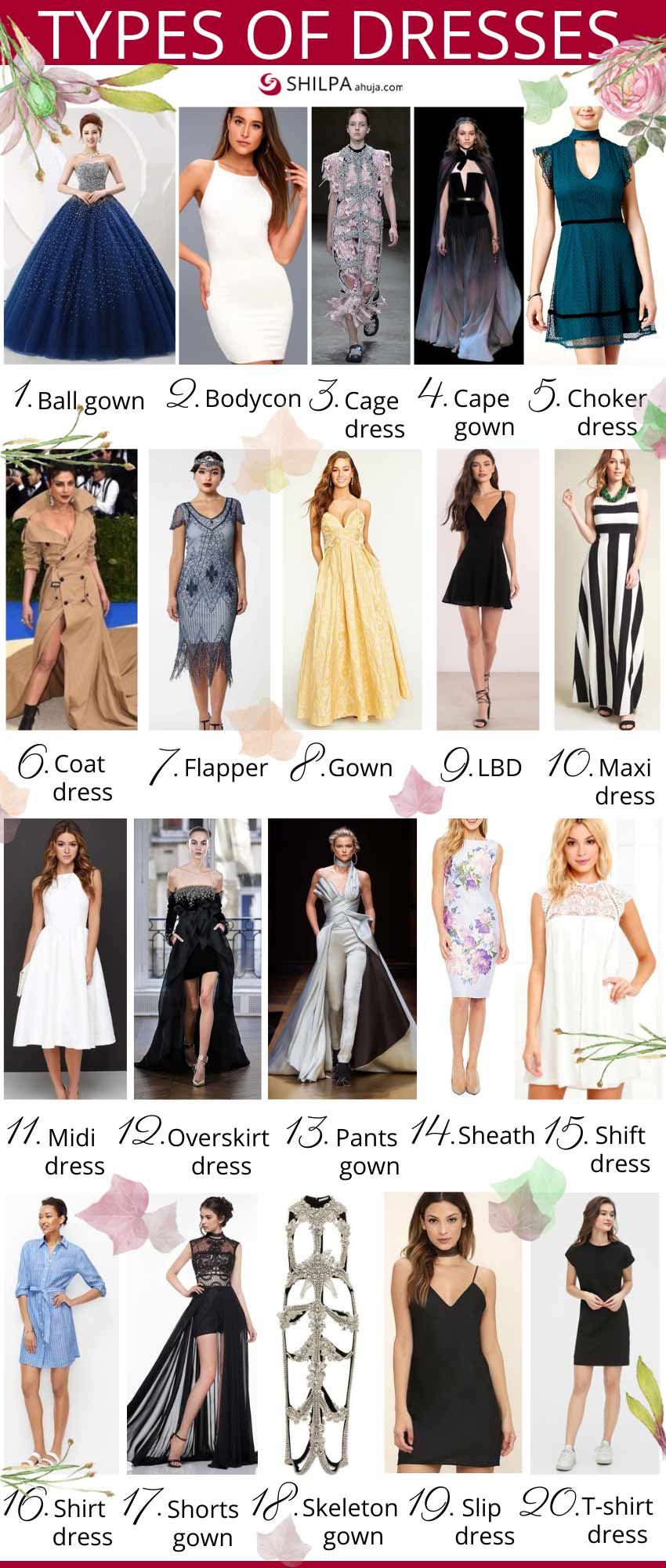
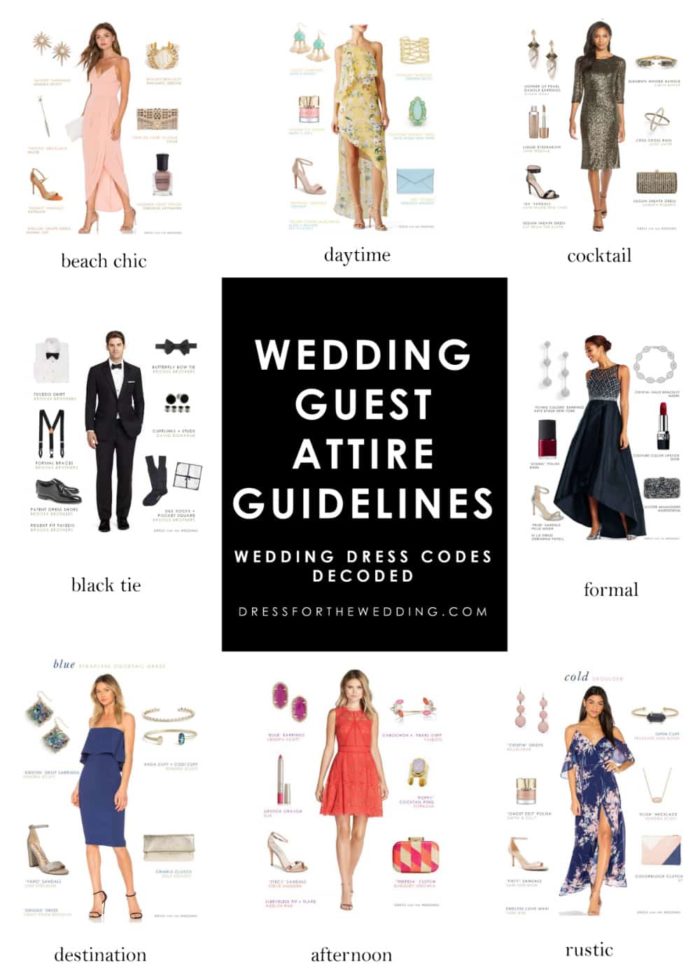
Descubre los últimos estilos de vestidos – Una guía completa de cortes y diseños

En este post te mostramos consejos para combinar el estilo perfecto.

Discover the Latest Dress Styles: A Comprehensive Guide to Dress Cuts and Designs

Para un look moderno, considera optar por siluetas ajustadas que realzan la figura. Los modelos de corte lápiz son ideales para ocasiones formales, mientras que los diseños de corte A ofrecen comodidad y elegancia para eventos casuales.

Los escotes en V y redondos son opciones versátiles que se adaptan a diferentes tipos de cuerpo. Si estás buscando algo más atrevido, los escotes asimétricos pueden añadir un toque único a tu atuendo.

Los estampados florales y geométricos están en auge, aportando frescura a cualquier conjunto. Combina estos patrones con accesorios sencillos para mantener el equilibrio en tu apariencia.

Los tejidos ligeros como el algodón y la seda son perfectos para climas cálidos, mientras que las mezclas de lana y poliéster son ideales para temporadas más frías. No olvides considerar la longitud: los modelos midi son perfectos para un look sofisticado, mientras que los maxi ofrecen un aire bohemio.

Understanding Dress Cuts

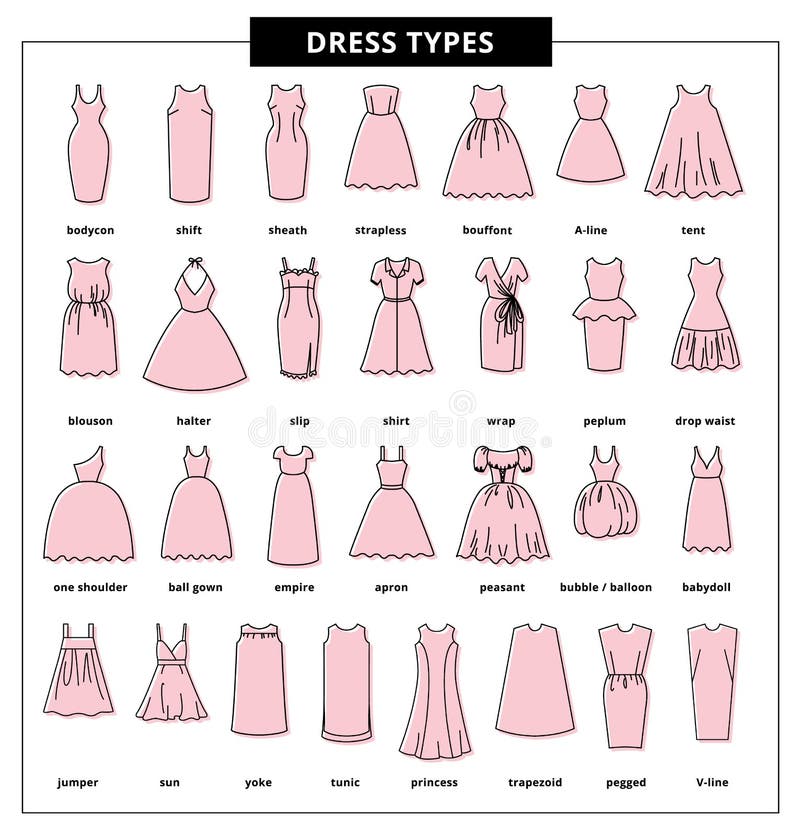
Los cortes de vestidos son aspectos clave en la moda. Cada tipo brinda una posibilidades a varios tipos de cuerpo. A continuación se presentan algunos de las siluetas más populares:

Corte Descripción Recomendaciones
A-line Se entalla en la parte superior y se expande hacia abajo. Ideal para cuerpos en forma de pera.
Empire Cintura alta justo debajo del busto, fluyendo libremente. Recomendado para mujeres con barrigas o que buscan disimular cintura.
Sheath Ceñido al cuerpo, destaca la figura. Perfecto para ocasiones formales y cuerpos delgadas.
Ballgown Cuerpo ajustada con falda amplia y voluminosa. Perfecto para eventos de gala y bodas.
Fit and Flare Ceñido en la parte superior y amplio en la parte inferior. Flexible para diferentes formas.

Conocer los cortes facilita a elegir de la ropa adecuada según cada evento. No dudes en experimentar diferentes tipos hasta que encuentres el que mejor se adapte.

lo que lo

What is a A-Line Dress and Who Should Wear It?

What is a A-Line Dress and Who Should Wear It?

Un vestido en forma de A es un diseño que se ajusta en la parte superior y se ensancha gradualmente hacia el dobladillo, creando una silueta que favorece diversas figuras. Este estilo es ideal para quienes buscan resaltar la cintura y disimular las caderas.

Las personas con forma de pera, que tienen caderas más anchas en comparación con los hombros, se benefician enormemente de este corte. También es adecuado para aquellas que desean un look más equilibrado, ya que la forma de A ayuda a crear una apariencia armoniosa.

Además, este modelo es versátil y puede adaptarse a diferentes ocasiones, desde eventos formales hasta salidas casuales. Se puede encontrar vida en casa una variedad de tejidos y patrones, lo que permite personalizar el atuendo según el gusto individual.

En definitiva, un vestido en forma de A es una opción excelente para quienes buscan un estilo que combine comodidad y elegancia, especialmente para aquellas con caderas más anchas o que desean acentuar su figura de manera favorecedora.

Exploring the Benefits of Fit-and-Flare Styles

El estilo fit-and-flare es ideal para resaltar la figura femenina. Este diseño se ajusta en la parte superior y se ensancha a partir de la cintura, creando una silueta favorecedora.

  • Proporciona comodidad y libertad de movimiento, lo que lo hace perfecto para eventos sociales.
  • Disimula áreas problemáticas, como la cadera y el abdomen, gracias a su corte estratégico.
  • Versatilidad en ocasiones: adecuado para bodas, fiestas o incluso para el uso diario.
  • Se puede combinar con diferentes tipos de calzado, desde tacones hasta zapatillas, adaptándose a cada estilo personal.

Al elegir un vestido fit-and-flare, considera los siguientes aspectos:

  1. Material: Opta por telas que ofrezcan estructura, como el algodón o el poliéster, para mantener la forma.
  2. Longitud: Los modelos pueden variar desde mini hasta maxi; elige según tu preferencia y ocasión.
  3. Colores y patrones: Los tonos sólidos suelen ser más elegantes, mientras que los estampados pueden añadir un toque divertido.

Este corte es una opción atemporal que se adapta a diferentes tipos de cuerpo, asegurando que cada mujer se sienta segura y hermosa.

How to Choose the Right Sheath Dress for Your Body Type

Para un cuerpo en forma de reloj de arena, opta por un vestido que acentúe la cintura. Busca detalles como cinturones o costuras que definan esta área.

Si tienes una figura rectangular, elige un modelo que añada curvas. Los vestidos con volantes o drapeados en la parte superior pueden crear una ilusión de forma.

Para siluetas de pera, selecciona un diseño que se ajuste bien en la parte superior y fluya en la parte inferior. Los escotes en V y los detalles en la parte superior atraerán la atención hacia el torso.

Si tu figura es más bien triangular invertida, busca un vestido que equilibre tus hombros anchos. Los estilos con faldas más amplias o detalles en la parte inferior ayudarán a crear armonía.

Las mujeres con una figura más curvilínea deben optar por tejidos que ofrezcan soporte. Un vestido con forro y un corte que se ajuste a las caderas puede ser ideal.

Recuerda que la longitud también es clave. Un vestido que llegue justo por encima de la rodilla puede ser favorecedor para la mayoría de las formas corporales.

Finalmente, no subestimes la importancia de los accesorios. Un buen par de tacones puede alargar las piernas y mejorar la silueta general.

The Timeless Appeal of Maxi Dresses: When to Wear Them

Los vestidos largos son perfectos para eventos al aire libre en climas cálidos. Su corte amplio ofrece comodidad. Llévalos con sandalias para un aire relajado.

Para fiestas nocturnas, elige maxi vestidos con detalles con joyería que aporten elegancia. Las telas fluidas se adaptan bien para disfrutar de la noche.

En vacaciones, los vestidos largos son una opción conveniente. Fáciles de empacar, son perfectos para cenas al aire libre. Llévate una chaqueta ligera para un look completo.

elegir de la ropa

En resumen, los vestidos largos son multifuncionales para diferentes momentos. Considera tener varios estilos en tu vestidor.

Popular Dress Designs for 2023

Popular Dress Designs for 2023

Slip Dress for Different

Las tendencias más notables de este año incluyen silhuetas ajustadas y sueltas. Los modelos con cortes asimétricos están adquiriendo popularidad, ofreciendo un toque moderno. Los escotes en V y los adornos en la espalda son particularmente buscados.

Los motivos florales y geométricos son esenciales para esta temporada, ofreciendo un aire fresco. Los tonos pastel y los colores vivos están en auge, generando contrastes interesantes.

Los materiales ligeros como el algodón y la seda son preferidos para el clima cálido, mientras que las superficies como el terciopelo son perfectas para eventos nocturnos. Las mangas abullonadas y los fruncidos añaden un elemento romántico a los diseños.

Las largo midi y maxi son favoritas para cualquier ocasión, ofreciendo versatilidad. Los accesorios como cinturones anchos y joyería minimalista realzan el look final.

Key Features of Bohemian Dresses This Season

Esta temporada, los atuendos bohemios presentan tonalidades suaves que reflejan la esencia de la naturaleza. Los patrones florales son en varias variantes, sumando un matiz artístico a cada prenda.

Las líneas relajadas son esenciales en las creaciones de este estilo. Las líneas de escote en forma de corazón así como los adornos de encaje ofrecen una sensación bohemio a cada atuendo.

de las formas corporales

Los materiales translúcidos incluyendo el algodón se utilizan para ofrecer comodidad. Los detalles incluyendo borlas y los lazos en los dobladillos realzan la apariencia bohemia.

esenciales para

En cuanto a los complementos, los collares largos así como los sombreros de ala ancha se consideran fundamentales para completar el look. Los zapatos cómodos también se han vuelto una alternativa ideal para acompañar esta tendencia.

How to Style a Slip Dress for Different Occasions

How to Style a Slip Dress for Different Occasions

Para un evento formal, combina un vestido de tirantes con un blazer estructurado y tacones altos. Añade joyas delicadas para un toque elegante.

Para un look casual, opta por una camiseta de manga larga debajo del vestido y zapatillas blancas. Completa con una mochila de cuero.

En una cita nocturna, elige un vestido de tirantes de seda con sandalias de tiras y un clutch brillante. Un labial rojo realzará el conjunto.

Para un día de verano, usa el vestido con sandalias planas y un sombrero de paja. Un bolso de mimbre complementará el estilo relajado.

En un ambiente de oficina, combina el vestido con una camisa blanca y un cinturón. Usa zapatos de tacón medio para un acabado profesional.

Para un festival, añade una chaqueta de mezclilla y botas de combate. Accesorios bohemios como pulseras y collares largos son ideales.

  • Evento formal: blazer, tacones, joyas delicadas.
  • Look casual: camiseta, zapatillas, mochila de cuero.
  • Cita nocturna: sandalias de tiras, clutch brillante, labial rojo.
  • Día de verano: sandalias planas, sombrero de paja, bolso de mimbre.
  • Ambiente de oficina: camisa blanca, cinturón, zapatos de tacón medio.
  • Festival: chaqueta de mezclilla, botas de combate, accesorios bohemios.

Vídeo:

Cómo elegir el vestido de noche perfecto – Guía completa

En este post te compartimos ideas para que puedas encontrar el look ideal.

pueden ocultar imperfecciones

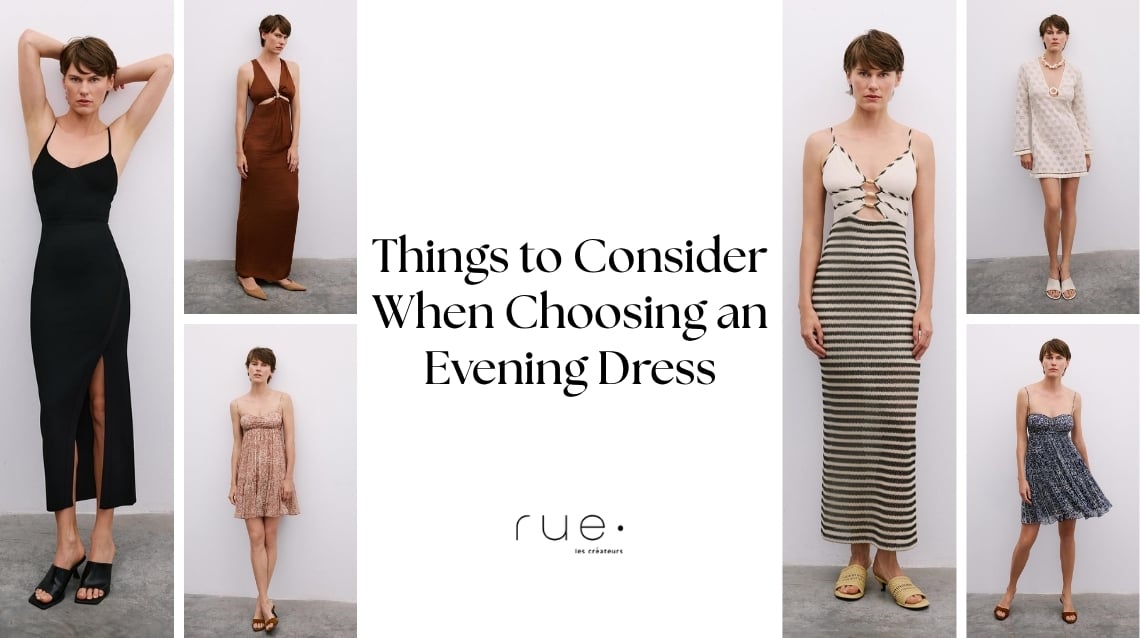
How to Choose the Perfect Evening Dress: A Complete Guide

Opta por un modelo que resalte tu figura. Los vestidos ajustados al cuerpo son ideales para acentuar curvas, mientras que los cortes imperio ofrecen comodidad y elegancia. Considera tu tipo de cuerpo al elegir el diseño que mejor te favorezca.

Elige un color que complemente tu tono trucos de limpieza piel. Los tonos cálidos, como el dorado o el coral, son perfectos para pieles cálidas, mientras que los colores fríos, como el azul marino o el esmeralda, realzan las pieles frías. No subestimes el poder de un buen color para transformar tu apariencia.

Presta atención a los detalles. Los bordados, encajes y aplicaciones pueden añadir un toque especial a tu atuendo. Sin embargo, evita sobrecargar el vestido; a veces, menos es más. Un diseño sencillo con un detalle llamativo puede ser más impactante que un vestido recargado.

Considera la ocasión. Un evento formal puede requerir un vestido largo y elegante, mientras que una celebración más casual puede permitir un diseño más corto y divertido. Asegúrate de que tu elección se alinee con el ambiente del evento.

Finalmente, no olvides la comodidad. Un vestido puede ser hermoso, pero si no te sientes cómoda, no podrás disfrutar de la noche. Prueba diferentes estilos y materiales para encontrar el equilibrio perfecto entre estilo y confort.

Understanding Your Body Type

Understanding Your Body Type

Identifica tu tipo de cuerpo: pera. Cada forma requiere un enfoque diferente al seleccionar atuendos. Para un cuerpo triangular, opta por vestidos que acentúen la cintura y añadan volumen en la parte superior. Los estilos con escote en V y mangas abullonadas son ideales.

Si tienes un cuerpo triángulo invertido, busca prendas que equilibren tus proporciones. Vestidos con faldas voluminosas y detalles en la parte inferior ayudarán a crear armonía. Evita los escotes muy pronunciados que pueden acentuar los hombros.

Para un cuerpo rectangular, elige diseños que creen curvas. Vestidos con cinturas ceñidas y faldas en A son perfectos. Detalles como volantes o drapeados pueden añadir interés visual.

Si tu figura es reloj de arena, resalta tu cintura con vestidos ajustados. Los cortes que siguen la forma natural del cuerpo son ideales. Escotes en corazón o asimétricos también son opciones atractivas.

Tipo de Cuerpo Recomendaciones
Triángulo Vestidos con escote en V, mangas abullonadas
Reversa Faldas voluminosas, detalles en la parte inferior
Rectángulo Cortes ceñidos, faldas en A, volantes
Reloj de arena Vestidos ajustados, escotes en corazón

Conocer tu tipo de figura te permitirá seleccionar atuendos que realcen tus atributos y te hagan sentir segura. Cada forma tiene su propio encanto; elige lo que mejor se adapte a ti.

Los vestidos rectos ofrecen un

Identifying Your Body Shape

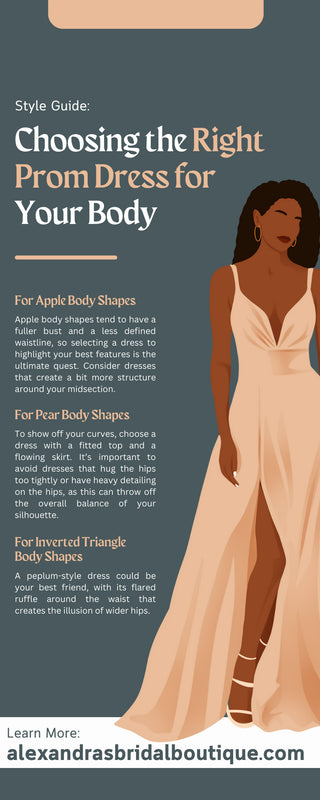
Determina tu figura midiendo tus hombros, cintura y caderas. Si tus hombros son más anchos que tus caderas, tienes una forma de triángulo invertido. Si tus caderas son más anchas, eres un triángulo. Una figura rectangular presenta medidas similares en hombros, cintura y caderas. La forma de reloj de arena se caracteriza por una cintura definida y proporciones equilibradas.

Para una figura de triángulo invertido, opta por vestidos que añadan volumen en la parte inferior, como faldas acampanadas. Para triángulos, elige estilos que resalten la cintura y suavicen las caderas, como vestidos ajustados en la parte superior. Las figuras rectangulares se benefician de cortes que crean curvas, como los vestidos con drapeados. Las siluetas de reloj de arena lucen bien con vestidos ceñidos que acentúan la cintura.

Recuerda que cada cuerpo es único. Prueba diferentes estilos y ajusta según lo que te haga sentir cómoda y segura. La clave está en resaltar tus mejores atributos y equilibrar tu figura.

Choosing Flattering Silhouettes

Choosing Flattering Silhouettes

Opta por siluetas que realcen tu figura. Los estilos ajustados en la cintura, como el corte imperio, son ideales para acentuar la forma del cuerpo.

  • El vestido en A es perfecto para equilibrar caderas anchas, creando una línea elegante.
  • Los modelos de corte sirena destacan las curvas, ideales para quienes desean un look más atrevido.
  • Los vestidos rectos ofrecen un aspecto sofisticado, adecuados para figuras más delgadas.

Considera la longitud de la prenda. Los vestidos largos aportan un aire de elegancia, mientras que los cortos pueden ser más frescos y divertidos.

  1. Para un evento formal, elige un vestido largo con detalles en la parte superior.
  2. Si el evento es más casual, un vestido corto con estampados puede ser una excelente opción.

Los escotes también juegan un papel importante. Un escote en V alarga el cuello, mientras que un escote redondo puede suavizar la apariencia.

  • Los tirantes finos son ideales para mostrar los hombros, mientras que los de manga larga ofrecen un toque de sofisticación.
  • Los detalles como volantes o drapeados pueden añadir interés visual y disimular áreas específicas.

Evita telas sintéticas que

Finalmente, elige colores y patrones que complementen tu tono de piel y personalidad. Los tonos oscuros son más adelgazantes, mientras que los colores brillantes pueden resaltar tu energía.

Highlighting Your Best Features

Highlighting Your Best Features

Selecciona un vestido que acentúe tu cintura. Un diseño ceñido o un cinturón puede crear una silueta favorecedora.

Si tienes piernas tonificadas, opta por un vestido corto o con una abertura lateral. Esto atraerá la atención hacia tus piernas.

Los vestidos

Para resaltar tus hombros, elige un escote en forma de corazón o un diseño sin mangas. Estos estilos aportan elegancia y sofisticación.

Si deseas destacar tu busto, considera un vestido con detalles en la parte superior, como encajes o bordados. Esto atraerá miradas hacia esa área.

Para un look equilibrado, elige colores oscuros en áreas que quieras disimular y tonos más claros donde desees llamar la atención.

  • Vestidos con drapeados pueden ocultar imperfecciones.
  • Los estampados verticales alargan la figura.
  • Las telas fluidas aportan movimiento y gracia.

Recuerda que la confianza es clave. Un vestido que te haga sentir cómoda realzará tu belleza natural.

Setting a Budget

Establecer un límite financiero es fundamental. Considera asignar entre 100 y 1000 euros para un atuendo de gala. Este rango permite acceder a opciones de calidad sin comprometer tus finanzas.

Investiga precios en tiendas antes de decidir. Compara diseños y busca ofertas que puedan ajustarse a tu presupuesto.

Incluye gastos adicionales como maquillaje. Reserva al menos un 40 por ciento de tu presupuesto total para estos elementos. Esto asegura un look completo y armonioso.

Si el presupuesto es ajustado, considera alquilar un vestido. Esta opción puede ofrecer marcas de alta gama a una fracción del precio original.

Finalmente, establece un límite máximo y respétalo. Evita gastos impulsivos que puedan afectar tu situación financiera a largo plazo.

Determining Your Price Range

Establece un presupuesto claro antes de comenzar la búsqueda. Considera un rango de 100-300 euros para opciones de calidad media. Si buscas algo más exclusivo, 700-1500 euros puede ser adecuado. No olvides incluir gastos adicionales como maquillaje en tu cálculo.

Investiga marcas y tiendas que se alineen con tu presupuesto. Tiendas de moda rápida ofrecen diferentes estilos y precios. Compara precios en línea y en tiendas físicas para encontrar la mejor oferta.

Considera la posibilidad de comprar de segunda mano en un vestido de diseñador. Alquilar puede ser una opción económica para eventos especiales, mientras que comprar de segunda mano puede ofrecer piezas únicas a precios reducidos.

Recuerda que un vestido de calidad puede ser una inversión a largo plazo. Optar por materiales duraderos y un diseño atemporal puede justificar un precio más alto. Evalúa la versatilidad antes de tomar una decisión final.

Finding Quality Within Your Budget

Finding Quality Within Your Budget

Establece un rango de precios claro antes de comenzar tu búsqueda. Analiza marcas que ofrezcan opciones dentro de ese rango. Verifica que las tiendas tengan políticas de devolución, lo que te permitirá cambiar si no estás satisfecha.

Los bordados, encajes

Prioriza materiales como el algodón o mezclas de alta calidad. Evita telas sintéticas que puedan deteriorarse rápidamente. Observa las costuras; deben ser bien hechas y sin hilos sueltos.

Considera adquirir en rebajas o outlets. Frecuentemente, puedes encontrar descuentos en diseños de temporadas anteriores que aún son elegantes.

Consulta opiniones en línea sobre fabricantes específicos. Las reseñas de otros compradores pueden brindar información valiosa sobre la durabilidad y el ajuste de las prendas.

Si es posible, visita tiendas físicas para evaluar el ajuste y la calidad. A veces, las fotos en línea no reflejan la realidad del producto. No vaciles en preguntar al personal sobre la composición de la tela y el cuidado necesario.

Finalmente, piensa en la posibilidad de ajustar un vestido. Un pequeño ajuste puede transformar una prenda básica en algo que se ajuste perfectamente a tu figura, optimizando tu inversión.

Choosing the Right Fabric

Choosing the Right Fabric

Si estás buscando algo más estructurado, La organza añade un toque de sofisticación, mientras que el tafetán proporciona rigidez y forma.

No olvides la textura. {Las telas suaves pueden influir en la comodidad y el estilo. Prueba diferentes opciones para encontrar la que mejor se adapte a tu cuerpo.

Finalmente, considera el mantenimiento. Algunas telas requieren limpieza en seco, mientras que otras son lavables a máquina. Asegúrate de que el cuidado de la tela se ajuste a tu estilo de vida.

Vídeo:

Knights of Guinevere Episode Guide with Complete Breakdown of Key Moments and Themes

Suggested watch order: Use S1E01 → S1E04 → S1E07 in release order if you want to track the protagonist arcs and the three biggest reveals. S1E01 runs 48 minutes and released on 2023-10-10; S1E04 runs 52 minutes and released on 2023-10-31; S1E07 runs 55 minutes and released on 2023-11-21. Prefer director’s cut of S1E07 when available; that version adds 6 minutes of character-facing footage and clarifies antagonist motivations.

Key highlights: S1E04 reaches its choreography peak at 23:40; according to fight choreographer Jane Smith, the sequence required 28 rehearsals across five weeks. The major reveal in S1E07 arrives at 34:12 and is built around three practical-effect shots executed in a single take. The secondary commander first appears in S2E02 at 12:07, and Michael Young received a Best Supporting nod at the 2024 Fenwick Awards. For writer credits, A. Reyes handled S1E01 and S1E04, while L. Park is credited on S1E07 and S2E02.

Optimal playback uses 5.1 surround sound plus English subtitles, especially for the archaic dialogue. A 1080p HDR independent serials, stream indie series, recommended indie series, indie serials streaming, independent series recommendations, how to discover indie series, complete indie serials guide, independent producers series, episodic indie content, niche web series is recommended when bandwidth allows, because it preserves more practical-effect detail. Sensitive viewers may want to note the prolonged combat and brief gore at 23:40 and 34:12 and skip those moments if needed. Analytical viewing is easier with the episode transcripts and director’s commentary available as bonus material.

Episode Summaries

Start with Installment 1 for core premise and character introductions: runtime 52 minutes; release 2023-05-12; writer Anna Price; director Marcus Lee. Key beats with timestamps: coronation scene 00:12:45, sword-forging montage 00:27:10, betrayal reveal 00:44:05. Recommendation: pause at 00:27:10 to note leitmotif changes and costume details that foreshadow alliance shifts.

Installment 5 – The Midpoint Pivot: 49-minute runtime; released 2023-06-09; guest director L. Morales. Major sequences include the Riverfall ambush at 00:15:30, Aldric’s oath at 00:33:20, and the cliffhanger duel at 00:48:50. A useful rewatch tip is to compare Aldric’s posture at 00:33:20 with his stance in Installment 2 for clear arc evidence.

Installment 9 – Political Turning Point: runtime 54 minutes; release 2023-07-21; writer duo: Price + H. Singh. Three major reveals land here: the succession claim, the treaty betrayal, and secret correspondence decoded at 00:39:10. The key performance stats are 8.4/10 on a popular user index and 92% on Rotten Tomatoes for this entry. For strongest narrative momentum, place this episode directly after Installment 8.

Watch Installments 3 & 4 together: episode lengths are 47 and 46 minutes, with release dates 2023-05-26 and 2023-06-02. These two entries function as flashback sequence for Clarissa’s backstory; timestamps of interest: childhood oath 00:04:55 (Inst. 3), mentor confrontation 00:28:40 (Inst. 4). Recommendation: keep subtitles on to catch the small dialogue details that later contradict testimony.

Action scene guide and rewatch markers: watch Installment 2 first for choreography study with the duel at 00:21:05, and Installment 7 for siege tactics with the ballista reveal at 00:31:00. Use the listed timestamps when doing detailed clip breakdowns or fan-edit analysis.

Episode 1 Detailed Breakdown

Best rewatch windows are 00:02:15–00:04:10 and 00:21:40–00:24:05, since they establish character direction and a tonal shift that matters later.

  • Length: 48:12
  • Written by: A. Morgan
  • Episode director: S. Hale
  • First air date: 2025-09-12
  • Primary characters introduced: Rowan K., Lady Elen, Captain Maer
  1. 00:00:00–00:02:14 – Opening sequence

    • Visual note: the sequence uses a wide aerial shot and cool palette, with a long lens compressing depth.
    • Audio cue: low brass motif appears at 00:00:32; recurs as leitmotif for impending conflict.
    • Recommended focus: catch the weathered sigil on the banner at 00:01:10, because it returns in scene 5.
  2. 00:02:15–00:04:10 – Inciting scene

    • The plot beat here is the first direct clash between Rowan K. and Lady Elen, with dialogue that establishes their opposing moral codes.
    • Acting detail: the micro-expression at 00:03:05 suggests a hidden motive, reinforced by close-up framing.
    • Thematic tip: “I never break oath” later conflicts with the action at 00:39:50, which makes this line valuable for analysis.
  3. 00:04:11–00:15:20 – Building political tension

    • Important detail: the council meeting arrangement visually suggests shifting alliances through seating and costuming.
    • At 00:06:02, the red trim on Maer’s mantle signals military loyalty, and the same stitch pattern appears again at 00:42:18.
    • The music builds through percussion at 00:12:30 to sharpen the argument, then stops suddenly at 00:13:01 to underline the concession.
  4. 00:15:21–00:24:00 – Training-ground sequence

    • Choreography note: the two-shot sparring sequence uses mirrored edits to contrast the mentors’ styles.
    • The camera switches to handheld at 00:18:45 for intimacy, then to a dolly at 00:20:10 for cleaner coverage of the critical pass.
    • Pause on 00:19:30 if you want to track prop placement that later links to the clue at 00:33:05.
  5. 00:24:01–00:33:15 – Informant arc segment

    • Plot reveal: a coded note arrives at 00:27:12, and its contents connect to the hidden map at 00:45:00.
    • Audio cue: louder footsteps at 00:26:40 imply surveillance; isolate the whisper by cutting ambient noise.
    • The editing uses jump cuts to compress time, making eye-line direction useful for spotting truth cues.
  6. 00:33:16–00:42:00 – Setting up the betrayal

    • A small line at 00:35:50 foreshadows the alliance shift that arrives at the season midpoint.
    • Performance cue: the hand tremor from Captain Maer at 00:38:05 hints at internal conflict.
    • Production detail: the lighting warms slowly from 00:40:10 onward, signaling moral ambiguity.
  7. 00:42:01–00:48:12 – Final climax and tag scene

    • Climactic beat: ambush sequence timed with timpani hits at 00:45:30; choreography emphasizes chaos over clarity.
    • The tag scene freezes on Rowan K.’s expression at 00:47:55 and functions as a strong setup for the next installment.
    • A continuity issue appears at 00:46:20, where scar placement briefly mismatches; use frame-by-frame playback if researching continuity.
  • Focus items for rewatch: costume insignia (00:01:10, 00:06:02, 00:42:18), recurring motif in score (00:00:32, 00:12:30, 00:45:30), and prop map fragments (00:27:12, 00:45:00).
  • Directorial focus points include shot-reverse-shot pacing during confrontations and negative space in solitary scenes to signal isolation.
  • Technical caveat: color grade shifts slightly between interior and exterior shots around 00:15:00; may affect scene continuity in transfers.

A useful follow-up is to compile time-stamped screenshots covering costume and prop continuity and compare them with later episodes for recurring motifs and payoff.

Episode 2 Key Plot Points

The key replay section is 00:12:30–00:18:45, covering Lancelot’s decision scene and the subsequent duel; focus on microexpressions and blade timing.

The first big plot turn arrives at Blackford Keep in the council scene at 00:04:05, where Aldric presents forged treaty evidence, Mira contests it, and the outcome is a 3–2 vote split leading to Aldric’s exile.

Riverford at 00:20:10 is the ambush sequence that confirms a traitor inside the royal guard, leaving 5 guards and 1 scout dead. Key identification clue: a red thread appears on the armband at 00:20:18 for about 2 seconds; compare it with the shot at 00:09:42 showing the same dye stain.

Artifact reveal: obsidian mirror discovered under altar (00:27:55); mirror emits brief pulse synchronizing with protagonist’s breath pattern. For rewatch study, capture 00:27:54–00:27:58 frame by frame to spot the runic etching on the mirror’s rim.

A major political shift occurs when Baron Kellan negotiates a secret pact with the coastal warlord; the phrase “night trade” can be heard at 00:33:30 beneath tide ambience, and is easiest to isolate by enhancing 0.8–1.2 kHz.

Arc note: by refusing to kill Aldric despite provocation, the protagonist sets up a moral conflict that grows later; the close-up at 00:18:10 shows a finger tremor signaling restrained rage.

A notable continuity flag is the shift of Captain Roldan’s scar from left cheek to right between 00:05:50 and 00:05:58, which may interest continuity watchers and fan theorists.

Key plot point Scene timecode Direct consequence What to focus on
Lancelot’s defiance scene 00:12:30–00:18:45 This creates a visible fracture between the crown and the field commanders Use frame-by-frame review on hand and blade positions plus dialogue cadence
Council accusation scene 00:04:05 Aldric’s exile, political polarization Use 00:04:12 to inspect the parchment prop for forgery indicators
Ambush at Riverford 00:20:10 The scouts are lost and the internal traitor is confirmed Freeze the image at 00:20:18 and track the thread on the armband
Mirror discovery scene 00:27:55 This introduces the mystical element and establishes a physiological link to the protagonist Use 00:27:54–00:27:58 to capture the runic etching and pulse sync
Audio clue: secret pact 00:33:30 An offscreen alliance is established Use the 0.8–1.2 kHz band to pull out the masked phrase

Questions and Answers:

Where should new viewers start with “Knights of Guinevere”?

If you want one clear starting point, begin with the pilot, Season 1, Episode 1. It sets up the main conflict, brings in the central cast, and establishes the tone of the series. If you prefer a later episode that still works as an introduction, try Season 1, Episode 4 — it contains a short recap and a mostly self-contained plot that clarifies relationships without spoiling later twists.

How do the main trio change in the first two seasons?

Arthur starts as an idealistic leader, but political setbacks in Episodes 3 and 8 shift his priorities, toughen his decisions, and force compromises. Guinevere’s arc changes after Episode 6, moving her from diplomacy into active strategic action following a personal loss. Lancelot’s arc traces a path from loyal knight to conflicted ally: Episodes 5 and 11 show his loyalty tested, while Episode 13 sets up his later attempts at atonement. Because the indie series network blends private emotion with political fallout, the main character changes come from both inner choice and external pressure.

Are there skippable or filler episodes in “Knights of Guinevere”?

A few lighter episodes center on village conflicts or tournament-style plots and do not move the main storyline very far. Examples include Season 1, Episode 2 and Season 2, Episode 5, which are enjoyable but not required for the core arc. That said, some of those episodes build atmosphere and deepen secondary relationships; skipping them won’t break comprehension, but you may miss small character beats and world details that enrich later scenes. If your goal is to move quickly through the core story, prioritize episodes that feature political decisions, betrayals and the major reveals listed earlier.

How faithful is “Knights of Guinevere” to classic Arthurian legend?

The adaptation mixes classic legend elements with newly invented material. Season 1, Episode 1 and Season 2, Episode 3 are among the closest to classic Arthurian legend, especially in how they treat the court, tournaments, and honor. The bigger departures come in Season 1, Episode 9, where a new political faction is invented, and Season 2, Episode 8, which reworks a major relationship for dramatic effect. To compare the adaptation style, watch a traditional-leaning episode and then a more original one immediately after it; the contrast makes the writers’ changes much easier to see.

Understanding Cockroach Bites: New Research Reveals What You Need to Know

Recent entomological studies are shedding new light on a question that has puzzled homeowners for decades: do cockroaches actually bite humans? While traditionally considered non-aggressive scavengers, emerging research suggests that cockroach bite incidents may be more common than previously thought, particularly in homes with severe infestations. Understanding the nature of these encounters, along with proper cockroach bite treatment methods, is becoming increasingly important for public health awareness.

The latest findings from pest behavior researchers indicate that cockroaches can indeed bite humans under specific circumstances, though these incidents remain relatively rare compared to other household pest bites (answers.snogster.com) pests. Unlike mosquitoes or fleas that actively seek blood meals, cockroaches typically bite humans accidentally or when food sources become extremely scarce during heavy infestations.

What Does Current Research Tell Us About Cockroach Bites

Groundbreaking studies conducted by urban entomologists have documented that cockroaches possess strong mandibles capable of breaking human skin. The research reveals that roach bite incidents most commonly occur during nighttime hours when these nocturnal insects are most active. Scientists have identified that cockroaches may be attracted to food residue on sleeping individuals, including crumbs around the mouth area or sweet substances on the skin.

The emerging data shows that cockroach bite marks typically appear as small, red, slightly raised bumps similar to mosquito bites. However, distinguishing features help identify these incidents from other pest encounters. When examining what does a cockroach bite look like, researchers note that the marks often appear in irregular patterns rather than the linear arrangements commonly seen with bed bugs.

Recent clinical observations have documented several key cockroach bite symptoms that differentiate them from other insect encounters. The initial bite typically produces mild pain followed by localized itching and minor cockroach bite swelling. Most individuals experience minimal discomfort, with symptoms resembling those of a minor skin irritation rather than the intense reactions associated with wasp stings or spider bites.

How Long Do Cockroach Bites Last and Treatment Options

Contemporary medical literature suggests that cockroach bite duration varies significantly among individuals. Most healthy adults experience symptoms for 24 to 48 hours, though some cases may persist for up to a week. Children and individuals with sensitive skin may experience longer-lasting effects, making proper cockroach bite treatment essential for comfort and healing.

Modern approaches to how to treat a cockroach bite emphasize gentle, effective remedies that reduce inflammation while preventing secondary complications. Healthcare professionals recommend immediate cleansing of the affected area with soap and warm water to remove any bacteria that cockroaches commonly carry on their bodies. Applying cold compresses during the first few hours can significantly reduce initial swelling and provide immediate relief.

Several cockroach bite home remedy options have gained support from recent dermatological studies. Aloe vera gel, known for its anti-inflammatory properties, can soothe irritated cockroach bite on skin when applied twice daily. Additionally, a paste made from baking soda and water has shown effectiveness in neutralizing the mild enzymes left behind by cockroach saliva. Oatmeal baths provide system-wide relief for individuals with multiple bite sites, while tea tree oil diluted with carrier oils offers natural antimicrobial protection.

Understanding Infection Risks and When to Seek Medical Care

New microbiological research has heightened awareness about potential cockroach bite infection risks. Unlike many other household pests, cockroaches traverse highly contaminated environments including sewers, garbage areas, and decaying organic matter. This exposure means their mouths and bodies harbor numerous pathogens that can be transferred during biting incidents.

Signs of cockroach bite infection include increased redness spreading beyond the original bite area, persistent or worsening pain after 48 hours, pus formation, red streaking extending from the bite site, and fever development. These symptoms require immediate medical evaluation, as cockroaches can transmit various bacteria including E. coli, Salmonella, and Staphylococcus species.

Comparing Cockroach Bites to Other Pest Encounters

Understanding cockroach bite vs bed bug differences has become crucial as both pests increasingly appear in urban environments. While bed bugs create linear or clustered bite patterns and feed exclusively on blood, cockroach bites appear randomly and occur incidentally during food-seeking behavior. Bed bug bites typically produce more intense itching and longer-lasting welts, while roach bite symptoms remain relatively mild and short-lived.

Recent comparative studies also highlight timing differences between these pest encounters. Bed bugs actively seek sleeping humans for blood meals, creating predictable feeding patterns. Cockroaches, however, bite primarily when attracted to food residue, making these encounters more preventable through proper hygiene practices.

Prevention Remains the Most Effective Strategy

The most significant finding from recent cockroach research emphasizes prevention over treatment. Can cockroaches bite humans becomes irrelevant when proper pest control measures eliminate infestations entirely. Modern integrated pest management approaches combine sanitation improvements, structural modifications, and targeted treatments to create environments where cockroach encounters become extremely unlikely.

Emerging research continues to reveal new aspects of cockroach bite behavior and treatment options. While these incidents remain relatively uncommon, understanding proper identification and treatment methods helps homeowners respond appropriately when encounters occur. The key lies in combining immediate cockroach bite treatment with comprehensive pest control measures to prevent future incidents entirely.