Murder Drones Characters Meet the Cast of the Dark Animated Series and Their Roles

Suggestion: Watch episodes 1–3 in order, pausing after major reveals.

Log Uzi’s appearances, speech moments, and recurring symbols such as ocular designs and weathered equipment.

Log timestamps for moments that shift allegiance or reveal backstory.

Review the killer droid N and adjacent robotic characters:

count lines per installment, note costume palette, map alliances across early installments.

Document three brief characterizations per notable individual and append voice actor attribution when accessible.

Employ freeze-frame screenshots to demonstrate visual development.

When creating an analytical resource, deliver quantifiable data:

character appearance counts per episode, percentage of total screen time occupied, important dialogue selections with time references, and references from production commentary or official art publications.

Recommend a viewing order for newcomers:

pilot, episode 2, episode 3, then a focused rewatch centered on interpersonal dynamics.

Visual reference guide: primary accent hues, silhouette shifts, signature damage patterns.

Feeling mapping points: points of contention, moments of confidence, build-up sequences; verify conclusions with voice work and animation timing per segment.

Main Protagonists

Focus on each main character’s journey, driving forces, and fighting approach when developing critique, indie series platform, indieserials dot com costume recreation, or portrayal.

For a character inclined toward rebellion:

replicate aggressive posture, rapid staccato speech, and frequent smirks;

wardrobe selections ought to prioritize ripped functional material, visible cable details, and unbalanced adornments;

accessories to bear: damaged wrench, miniature illuminated torso piece;

hair approach: untidy cropped cut with individual colored lock;

motion indicators: lowered stance accompanied by abrupt acceleration;

dialogue presentation: sardonic and rapid, interrupted by sudden tenderness in personal moments.

For a detached, obligation-focused lead who gradually becomes more compassionate:

use measured, minimal motion and reduced inactivity;

dialogue approach: level inflection with crisp consonants that loosen during empathetic scenes;

costume: polished flat panels, observable pivot components, restrained hues;

cosmetics/application: faint dirt at connection areas;

fight choreography: controlled strikes, environmental use for tactical advantage.

For writers and adapter teams:

differentiate internal drives clearly — one character propelled by self-preservation and suspicion, another by installed obligation and developing interest;

build scenarios where dialogue evolves from caustic remarks to tender disclosure across two or three minute shifts;

evade drawn-out narrative lectures;

demonstrate consequences through brief gestures and silences.

Production advice for visual departments and role-players:

preserve profile distinctness during rapid action by accentuating cranium, shoulder, and trunk forms;

integrate scattered light-emitting diode effects with fluctuation sequences connected to emotional moments;

enhance limb connections with obscured protective material for physical sequences while sustaining articulation;

capture vocal performances with numerous minor changes in tone and respiration to record delicate transitions.

Affiliation mapping:

score trust arcs on a three-point scale (0 mistrust; 5 intimate) and schedule turning points at episode landmarks;

maintain confrontations intimate by connecting emotional changes to minor actions like a lent implement, restored connection, or rescued companion instead of extended discourse;

use physical tokens to mark progress across scenes.

Screenplay approach:

open pivotal scenes with sensory detail–metallic tang, motor whine, distant siren–then expose motive through behavior;

let visual beats and short exchanges carry exposition while maintaining pace and tension.

The Character N

View N as a character with both heroic and villainous traits:

brutal competence matched with unforeseen softness.

  • Position: cryptic executor with evolving commitments; triggers key disputes.
  • Aesthetic: sleek metallic chassis, singed plating, single glowing ocular implant, compact frame built for rapid melee.
  • Capabilities: superior combat evaluation, concealed approach, accelerated repair using molecular machinery; thrives in proximity battles and intelligence gathering.
  • Nature: concise, logical, sarcastic when agitated; intermittent bursts of compassion show hidden wounds.
  • Story progression: starts as solitary operative, slowly opens to alliances and sacrificial choices; moral ambiguity drives personal growth.
  • Significant events: opening garbage-site conflict, middle chase scene, final ledge face-off; note wordless segments and minute expressions for hidden significance.
  • Viewing suggestions: stop during silent communications to analyze position and shadow markers; monitor attire degradation as symbol for personal transformation.
  • Dressing guidance: multilevel defensive chest protection, orange-yellow illuminated eye component, detailed mitts with apparent connections, distressed finish for authentic look.
  • Fan prompts: compose small narratives showing N in ordinary home settings to examine vulnerable aspect; generate art concentrated on thoughtful stances rather than combat.

Understanding V’s Part

Treat V as narrative catalyst:

examine behaviors for recurring tendencies of survival instinct against principled dedication and chart strategic changes throughout installments to show development turning moments.

Tangible list for detailed examination:

1) log arrival chronology and combined on-screen presence;

2) catalog weapons, tools, and favored tactics;

third, record repeating dialogue cues and minute facial movements during important battles;

fourth, note coalitions established or ended and background for each shift.

Action patterns:

elevated tactical understanding, favor for ambush tactics and mental stress, reliable use of spontaneous approaches during restriction periods, defenseless when presented with previous association reminders.

Employ these features to forecast expected options in unobserved moments.

Sight and sound signals to observe attentively:

clothing deterioration sequences that indicate recent engagements;

regular backdrop pieces that work as source suggestions;

refined voice quality variations that indicate psychological evolution;

visual framing that highlights V during moral junctions.

Interpretation approaches valuable to explore:

consider V as contrast for matters of freedom and rank rather than as simple evildoer;

consider readings where apparent cruelty masks protective motives;

assess trustworthiness of any individual admission by comparing with previous actions.

Practical recommendations for fandom creators and analysts:

maintain ethical complexity when crafting original content;

present origin information via objects or brief memory segments rather than lengthy speeches;

stagger reveals so each novel information reexamines prior segments without opposing established occurrences.

Q&A:

Who are the central characters in Murder Drones, and what defines each of them?

The characters separate into several distinct categories:

the resourceful survivor(s) who refuse to accept the status quo;

the conscious labor machines with diverse characteristics;

the lethal assassin-class drones that enforce corporate will;

and human-created figures who represent lost or corrupted authority.

Survivors generally are resourceful, clever, and ethically adaptable;

labor machines vary from nervous and humorous to quietly courageous;

executioner robots are organized, pitiless, and at times divided;

leaders are distant, strategic, and motivated by personal survival.

These divergences produce conflict and unforeseen coalitions through the installments.

What is the evolution of the dynamic between the main character and the murder drones across the episodes?

At the start their engagements revolve around survival and reciprocal danger:

one party aims to persist, the other is engineered to annihilate.

Bit by bit, slight behaviors such as flexible bonds, collective grief, and merciful moments blur distinct pursuer/victim identities.

Several automatons start to challenge their directives, and the lead character discovers how to leverage individual uncertainties instead of merely combating.

Feeling moments, intimate dialogues, and ethical dilemmas drive various figures toward collaboration, while others intensify their initial intentions, resulting in strained conflicts and evolving partnerships.

What hidden design features or series references in the characters might escape casual viewers?

Yes, absolutely.

Animation and design teams employ repeated visual signals:

color schemes alluding to alliance or earlier pain, recurring emblems hidden in settings, and delicate clothing wear pointing to a character’s past.

Minor environment objects or street art occasionally point to earlier segments or the studio’s other productions.

Speech performance options like a skipped syllable or a dialect shift can also disclose emotional struggle or an origin detail before it is presented visually.

Which character’s history proves most shocking, and for what reason?

The most unexpected origin belongs to a character introduced as an antagonist who slowly reveals a sympathetic past.

Initial portrayal emphasizes danger and effectiveness, but subsequent recollections and casual remarks reveal remorse, desertion, or control by more significant forces.

This discrepancy between purpose and recollection recontextualizes their behaviors and compels other figures to reconsider whether condemnation or empathy is the appropriate reaction.

How do the combination of voice acting and animated movement bring the characters to life?

Performance and animation are closely connected:

vocal performers establish emotional quality through pacing, tone variations, and subtle hesitations, while visual artists coordinate facial gestures, eye positioning, and body stance with those selections.

A sarcastic line becomes sharper with a raised eyebrow and a quick head turn;

a moment of vulnerability is amplified by slowed animation, softer lighting, and a hushed delivery.

Sound creation and musical indicators facilitate changes between danger and comedy, supporting audience perception of refined adjustments in motivation or atmosphere even without clear description.

Who are the central figures in Murder Drones and what shapes their interactions?

The central duo audiences primarily concentrate on is Uzi Doorman, a rebellious labor machine with a quick wit and a thirst for information, alongside N, a detached, effective hunter droid assigned to destroy labor units.

Uzi symbolizes the tough, spontaneous quality of the survivors, while N initiates as a continuous hunter and afterward exhibits evidence of psychological turmoil.

Their communications blend clashing conversation, hesitant teamwork, and moments of surprising understanding, which moves both individuals into fresh decisions and changes how additional machines approach them.

Surrounding them are secondary labor machines who establish a society with unique characteristics, and further hunter droids who function as opponents or serialized content competitive groups, generating tension that forms each figure’s choices.
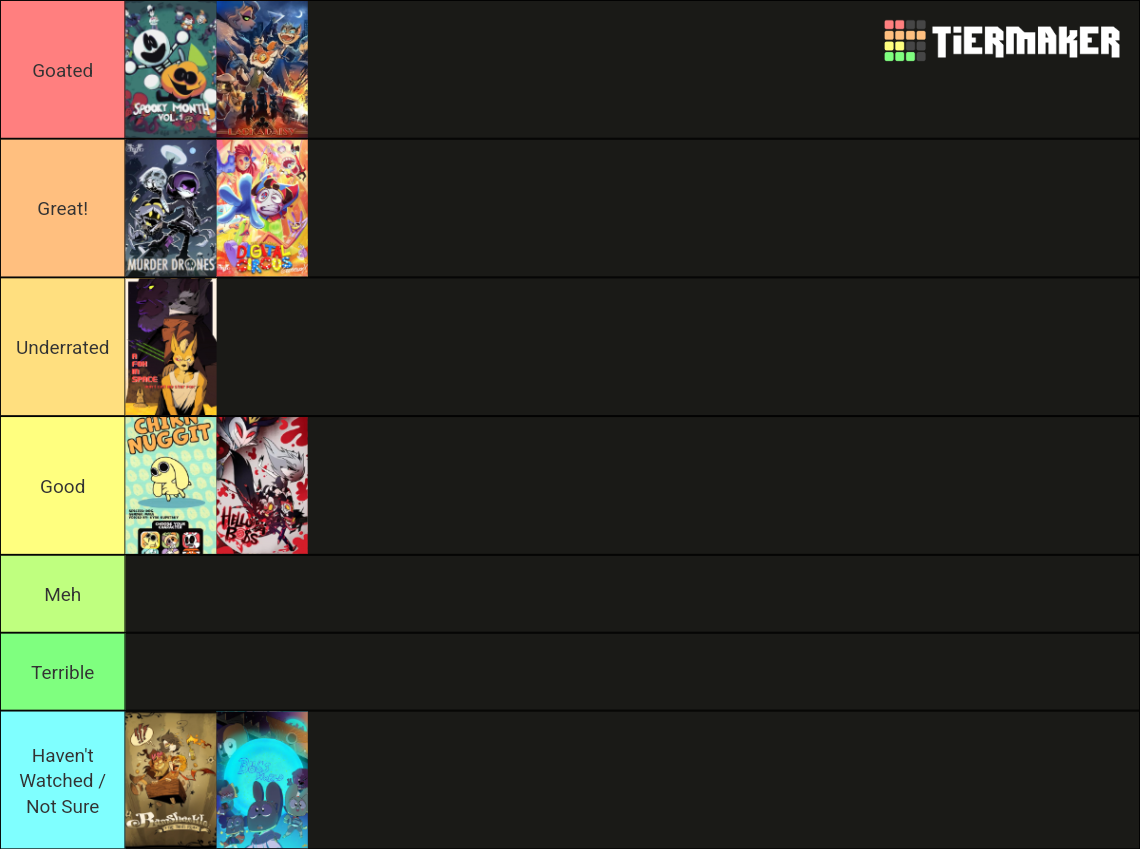

Murder Drones Characters Meet the Cast of the Dark Animated Series and Their Roles

Essential guidance: Watch the first three episodes in sequence, stopping at significant plot moments.

Document Uzi’s visibility, dialogue frequency, and repeated iconography — eye patterns and rusted instruments.

Record timestamps for scenes where loyalties change or background information surfaces.

Review the killer droid N and adjacent robotic characters:

record spoken lines per segment, observe clothing color choices, diagram connections throughout early segments.

Document three brief characterizations per notable individual and append voice actor attribution when accessible.

Utilize paused-frame images to showcase artistic progression.

When preparing a field guide, present concrete metrics:

character appearance counts per episode, percentage of total screen time occupied, important dialogue selections with time references, and references from production commentary or official art publications.

Advise on viewing arrangement for beginners:

the opening episode, installment two, segment three, then a dedicated revisit highlighting relational development.

Image tracking list: primary accent hues, silhouette shifts, signature damage patterns.

Emotional checklist: conflict triggers, trust moments, escalation beats; cross-reference findings with voice performance and timing of animation for each scene.

Primary Characters

Highlight each central figure’s storyline progression, core incentives, and fighting technique when constructing review, costume work, or performance.

For a character inclined toward rebellion:

mimic confrontational stance, quick clipped dialogue, and repeated smug expressions;

costume choices should favor torn utilitarian fabric, exposed wiring accents, and asymmetrical accessories;

accessories to bear: damaged wrench, miniature illuminated torso piece;

hair direction: disheveled short style featuring one colorful highlight;

movement signals: crouched posture with quick energy eruptions;

dialogue presentation: sardonic and rapid, interrupted by sudden tenderness in personal moments.

For a detached, obligation-focused lead who gradually becomes more compassionate:

employ exact, efficient gestures and few stationary moments;

voice direction: flat register with clipped consonants that relax in empathy beats;

clothing: streamlined dull surfaces, apparent articulation cylinders, understated shades;

appearance/styling: minimal weathering at pivot locations;

fight choreography: controlled strikes, environmental use for tactical advantage.

For scriptwriters and conversion groups:

contrast emotional cores explicitly–one figure motivated by survival and mistrust, another by programmed duty and rising curiosity;

build scenarios where dialogue evolves from caustic remarks to tender disclosure across two or three minute shifts;

evade drawn-out narrative lectures;

exhibit importance using succinct behaviors and quiet moments.

Technical guidance for design departments and costume enthusiasts:

preserve profile distinctness during rapid action by accentuating cranium, shoulder, and trunk forms;

incorporate dispersed lighting elements with blink rhythms correlated to affective scenes;

strengthen connection points with hidden cushioning for action security while maintaining flexibility;

capture vocal performances with numerous minor changes in tone and respiration to record delicate transitions.

Relationship charting:

measure confidence journeys on a zero-to-five trust gauge and position crucial changes at episode milestones;

maintain confrontations intimate by connecting emotional changes to minor actions like a lent implement, restored connection, or rescued companion instead of extended discourse;

utilize material items to indicate development throughout segments.

Narrative approach:

begin crucial sequences with sensory elements like metal scent, engine hum, far-off alarm — then reveal intention through actions;

allow visual moments and brief interactions to convey information while sustaining rhythm and suspense.

Identifying N

Treat N as an antihero:

merciless effectiveness combined with surprising sensitivity.

  • Function: ambiguous agent with transforming obligations; initiates primary clashes.
  • Design: indie drama, view independent content, popular independent web series, indie web series streaming, indie serials reviews, where to discover independent series, full indie series list, independent filmmakers serials, episodic independent storytelling, niche web series sleek metallic chassis, singed plating, single glowing ocular implant, compact frame built for rapid melee.
  • Capabilities: superior combat evaluation, concealed approach, accelerated repair using molecular machinery; thrives in proximity battles and intelligence gathering.
  • Character traits: brief, methodical, cutting when incited; rare moments of sympathy expose suppressed pain.
  • Narrative trajectory: starts as solitary operative, slowly opens to alliances and sacrificial choices; moral ambiguity drives personal growth.
  • Significant events: initial junkyard encounter, central flight sequence, closing precipice confrontation; observe quiet moments and subtle facial changes for underlying meaning.
  • Viewing tips: break during unspoken moments to review positioning and brightness indicators; trace clothing wear as indicator for psychological development.
  • Dressing guidance: stacked protective torso covering, golden light-emitting eye piece, patterned hand coverings with visible cables, aged coloration for realistic appearance.
  • Fan suggestions: craft brief scenes putting N in relaxed household situations to explore gentler dimension; produce illustrations focused on contemplative positions instead of movement.

V’s Function in the Show

Consider V as story accelerator:

evaluate activities for patterns of protective instinct versus philosophical dedication and track method transformations over episodes to disclose character curve pivots.

Practical items for comprehensive study:

first, note entry sequence and accumulated visibility;

2) catalog weapons, tools, and favored tactics;

third, record repeating dialogue cues and minute facial movements during important battles;

4) log alliances formed or dissolved and context for each reversal.

Action patterns:

high situational intelligence, preference for ambushes and psychological pressure, consistent use of improvisation under resource constraints, vulnerability when confronted with reminders of past attachments.

Employ these features to forecast expected options in unobserved moments.

Visual and auditory indicators to watch carefully:

clothing deterioration sequences that indicate recent engagements;

recurring background objects that function as origin hints;

delicate vocal tone changes that signal inner transformation;

lens arrangement that singles out V during value decisions.

Interpretive angles worth testing:

treat V as foil for questions about autonomy and hierarchy rather than as pure villain;

examine understandings where obvious harshness covers defensive reasons;

measure credibility of any isolated statement by verifying with earlier behavior.

Practical recommendations for fandom creators and analysts:

sustain moral nuance when developing fresh work;

show background using relics or short recall moments instead of extensive narrative;

pace revelations so each new detail reframes prior scenes without contradicting established beats.

Frequently Asked Questions:

What are the main characters in Murder Drones and what distinguishes them?

The roster breaks down into several specific archetypes:

the inventive survivors who challenge existing order;

the aware utility bots with distinct personalities;

the lethal assassin-class drones that enforce corporate will;

and artificially produced entities who embody missing or tainted control.

Survivors generally are resourceful, clever, and ethically adaptable;

worker drones range from anxious and comedic to quietly brave;

assassin drones are methodical, ruthless, and occasionally conflicted;

command characters are detached, scheming, and propelled by staying alive.

These divergences produce conflict and unforeseen coalitions through the installments.

How does the interaction between the protagonist and the hunter robots change over time?

At the start their engagements revolve around survival and reciprocal danger:

one party aims to persist, the other is engineered to annihilate.

Gradually, small acts—loose loyalties, shared losses, and moments of mercy—blur strict attacker/target roles.

A few drones begin to question their orders, and the protagonist learns to exploit personal doubts rather than only fight.

Emotional sequences, personal discussions, and moral struggles move multiple individuals toward working together, indie tv seris while others reinforce their starting goals, causing stressful clashes and changing connections.

Are there subtle artistic details or callbacks in the character designs that experienced audiences might not notice?

Definitely.

Animators and designers use recurring visual cues:

color motifs that hint at alignment or past trauma, repeated insignia tucked into backgrounds, and subtle costume wear that signals a character’s history.

Insignificant scene elements or markings sometimes call back to earlier episodes or the animators’ other creations.

Voice performance choices—like a dropped syllable or an accent slip—can also reveal inner conflict or a backstory beat before it’s explained on screen.

Which character’s history proves most shocking, and for what reason?

The most surprising background belongs to a figure presented as an adversary who gradually discloses a relatable history.

Early presentation focuses on threat and efficiency, but later flashbacks and offhand lines expose regret, abandonment, or manipulation by deeper powers.

This opposition between role and remembrance changes interpretation of their deeds and drives other personalities to reconsider whether retribution or comprehension is the suitable answer.

How do voice acting and animation work together to make the cast feel alive?

Voice work and visual design are strongly integrated:

vocal performers establish emotional quality through pacing, tone variations, and subtle hesitations, while visual artists coordinate facial gestures, eye positioning, and body stance with those selections.

A sardonic comment intensifies with raised brow and rapid head movement;

a period of exposure is reinforced by drawn-out motion, softer illumination, and quiet vocal performance.

Sound creation and musical indicators facilitate changes between danger and comedy, supporting audience perception of refined adjustments in motivation or atmosphere even without clear description.

Who are the central figures in Murder Drones and what shapes their interactions?

The central duo audiences primarily concentrate on is Uzi Doorman, a rebellious labor machine with a quick wit and a thirst for information, alongside N, a detached, effective hunter droid assigned to destroy labor units.

Uzi represents the scrappy, improvisational side of the survivors, while N begins as a relentless hunter and then shows signs of internal conflict.

Their communications blend clashing conversation, hesitant teamwork, and moments of surprising understanding, experimental web series which moves both individuals into fresh decisions and changes how additional machines approach them.

In their orbit are auxiliary worker bots who create a collective with particular tendencies, and additional hunter machines who serve as enemies or competing factions, building stress that molds each personality’s actions.

Unraveling Lizzy Murder Drone Cases and Practical Safety Guidance for Residents

Overview: Lizzy is one of the most discussed characters in Murder Drones, drawing attention because of her shifting loyalties, sharp attitude, and unclear long-term motives. Within the series, she acts as both a source of conflict and a vehicle for themes like loyalty, fear, episodic content, crowdfunding, documentary survival, and social power.

Primary topic: This guide is about Lizzy in Murder Drones, including her narrative role, fan interpretations, episode-to-episode development, and official viewing sources.

Lizzy in Murder Drones Explained

Lizzy is a recurring character in the Murder Drones story world, and she is often presented with a mix of confidence, edge, social awareness, and emotional ambiguity. She often affects the direction of a scene by provoking reactions in others, which helps explain why fans continue to debate her significance.

One reason Lizzy stands out is that she resists a simple label and often sits between humor, tension, vulnerability, and antagonism. That ambiguity helps the series maintain tension around her choices and future loyalties.

What Role Does Lizzy Play in Murder Drones?

In story terms, Lizzy frequently serves as a catalyst whose behavior avant-garde series moves conflict and character dynamics forward. At different points, she exposes weakness, heightens disagreement, or emphasizes contrasting loyalties within the cast.

This is why many discussions about Lizzy focus not just on her dialogue, but on what her presence causes other characters to reveal.

Lizzy Backstory and Motivation Theories

Lizzy-centered fan discussion usually concentrates on her past, her real motivations, and whether her actions come from fear, strategy, trauma, or concealed information.

Some viewers speculate that Lizzy may know more about key events than she admits, while others think her behavior is shaped more by self-preservation than by ideology.

Fans also often argue that her shifts in mood or apparent loyalty are not inconsistencies but signals of deeper pressure or strategic adaptation.

The lack of complete confirmation keeps the theory space open, which is why Lizzy remains highly discussed in the fandom.

Why Lizzy Inspires So Many Theories

Fans debate Lizzy’s motives because the writing leaves room for more than one convincing interpretation. Because she can seem impulsive, strategic, guarded, and vulnerable across different scenes, audiences struggle to define her with one simple motive set.

Lizzy Character Development Across the Series

Across the micro series, cinematography, drama Lizzy moves through several recognizable phases rather than staying emotionally static. Her first appearances tend to foreground threat, unpredictability, and attitude.

The middle portion of Lizzy’s arc often explores how she behaves when facing emotional pressure, outside influence, or changing alliances. These moments usually uncover vulnerabilities that were less visible in her earlier appearances.

As the series continues, her behavior becomes harder to classify morally, and earlier choices can be re-read as tactical, defensive, harsh, or deeply conflicted. This is a major reason why audience opinion on Lizzy tends to remain divided.

How Should Viewers Read Lizzy?

The series makes Lizzy hard to classify through a basic hero-or-villain lens because her actions keep gaining new context. Some fans interpret her as a character with real potential for growth, while others focus on the harm or selfishness in her choices.

Are Lizzy Episodes Intense?

Episodes that focus heavily on Lizzy may include intense violence, frightening transformations, psychological tension, betrayal, and emotionally unsettling scenes. Viewer discretion is advisable for younger audiences or for people who are sensitive to depictions of injury, fear, emotional manipulation, or dark moral material.

Checking official descriptions and community trigger notes first is a sensible step when an episode is known to focus on Lizzy.

Lizzy Episode Age and Content Guidance

It is wise to use caution if a viewer is sensitive to injury imagery, frightening transformations, emotional cruelty, or sustained psychological stress.

Where to Watch Murder Drones and Find Lizzy Extras

Viewers looking for official episodes should use the series’ recognized publishing channels, such as official streaming uploads and verified video accounts. Fans can often find extras like concept art, commentary, and behind-the-scenes content on verified social pages and official interviews.

When looking for merchandise, stick to authorized stores linked from the official website or from verified storefronts to avoid counterfeit goods. One practical way to verify a source is to look for official branding, publisher credit, verification badges, and repeated community recommendations.

Lizzy in Murder Drones Q&A:

What role does Lizzy play in Murder Drones?

Lizzy is a recurring figure in Murder Drones, presented as a character whose menace, social behavior, and emotional complexity keep her memorable. She works both as a plot catalyst and as a mirror for the rest of the cast, since her choices move events ahead and expose hidden traits in others. Her role regularly highlights the series’ broader themes of identity, loyalty, fear, and survival.

What are the biggest Lizzy theories in Murder Drones?

Fan discussion around Lizzy often examines her possible past, her emotional motives, and whether her shifting behavior reflects hidden alliances or survival pressure. Interpretations vary: some fans emphasize hidden connections and long-term secrets, while others read Lizzy as someone reacting pragmatically to danger and pressure. The lack of full confirmation keeps the theory space active.

How does Lizzy’s character change across the episodes?

Lizzy’s arc moves through several phases, beginning with threat and unpredictability, then gradually revealing vulnerability, social pressure, and moral ambiguity. Later scenes often reframe earlier actions, making viewers reconsider whether those choices were cruel, strategic, defensive, or shaped by limited options. This layered progression helps explain why audience reactions to Lizzy remain split.

Are Lizzy episodes suitable for younger viewers?

Yes, viewers should be aware that Lizzy-centered episodes can include strong violence, unsettling transformations, psychological tension, and dark emotional material. Younger viewers, or viewers sensitive to depictions of harm, fear, or bleak moral tension, may want to approach these episodes carefully. It can help to read spoiler-light warnings or episode notes first.

What is the best way to find official Lizzy episodes, extras, and merch?

To find official Lizzy-related content, use the show’s recognized publishing channels and authorized merchandise stores. For extras, official social channels and verified interviews are usually the most reliable places to look. Before purchasing or streaming, it is wise to verify branding, publisher credit, and trust signals such as verification badges or repeated community recommendations.

Murder Drones Characters Meet the Cast of the Dark Animated Series and Their Roles

Essential guidance: View installments 1–3 chronologically, pausing following important disclosures.

Log Uzi’s appearances, speech moments, and recurring symbols such as ocular designs and weathered equipment.

Record timestamps for scenes where loyalties change or background information surfaces.

Analyze the assassin designated N and auxiliary machines:

count lines per installment, note costume palette, map alliances across early installments.

Record three succinct traits for each significant character and include voice performer information where known.

Leverage static frame captures to exhibit design changes over time.

When preparing a field guide, present concrete metrics:

character appearance counts per episode, percentage of total screen time occupied, important dialogue selections with time references, and references from production commentary or official art publications.

Recommend a viewing order for newcomers:

pilot, episode 2, episode 3, then a focused rewatch centered on interpersonal dynamics.

Design observation points: key secondary colors, form alterations, trademark deterioration indicators.

Emotional checklist: points of contention, moments of confidence, build-up sequences; verify conclusions with voice work and animation timing per segment.

Main Protagonists

Focus on each main character’s journey, driving forces, and fighting approach when developing critique, costume recreation, or portrayal.

For a character inclined toward rebellion:

mimic confrontational stance, quick clipped dialogue, and repeated smug expressions;

costume choices should favor torn utilitarian fabric, exposed wiring accents, and asymmetrical accessories;

accessories to bear: damaged wrench, miniature illuminated torso piece;

hair direction: disheveled short style featuring one colorful highlight;

movement cues: low center of gravity with sudden speed bursts;

dialogue presentation: sardonic and rapid, interrupted by sudden tenderness in personal moments.

For a methodical, mission-oriented character who eventually warms:

adopt precise, economical movement and minimal idle motion;

vocal guidance: monotone pitch with shortened consonants that soften during moments of compassion;

attire: smooth non-reflective armor, exposed limb mechanisms, subdued color scheme;

face/body design: light wear at movement junctions;

combat staging: measured attacks, leveraging surroundings for strategic benefit.

For writers and adapter teams:

contrast emotional cores explicitly–one figure motivated by survival and mistrust, another by programmed duty and rising curiosity;

construct moments where conversation transitions from irony to soft admission over several brief exchanges;

bypass lengthy clarifying soliloquies;

reveal stakes through short actions and pauses.

Technical suggestions for art crews and costume designers:

ensure silhouette clarity during fast motion by exaggerating head, shoulder, and torso shapes;

utilize soft glow illumination with pulse arrangements linked to feeling shifts;

enhance limb connections with obscured protective material for physical sequences while sustaining articulation;

document voice takes with various tiny modifications in inflection and breathing to catch nuanced changes.

Relationship charting:

measure confidence journeys on a zero-to-five trust gauge and position crucial changes at episode milestones;

sustain disagreements interpersonal by attaching emotional developments to small actions including shared item, mended component, or protected comrade rather than verbose speeches;

employ tangible objects to denote advancement between sequences.

Screenplay approach:

begin crucial sequences with sensory elements like metal scent, engine hum, far-off alarm — then reveal intention through actions;

enable visual sequences and concise back-and-forth to present details while keeping flow and stress.

The Character N

Approach N as a conflicted figure:

merciless effectiveness combined with surprising sensitivity.

  • Character role: enigmatic enforcer with shifting loyalties; acts as catalyst for major conflicts.
  • Appearance: polished steel structure, scorched covering, solitary luminous eye piece, dense physique designed for swift hand-to-hand fighting.
  • Powers: sophisticated strategic assessment, covert infiltration, quick recovery through microscopic technology; specializes in confined-space fighting and undercover entry.
  • Personality: brief, methodical, cutting when incited; rare moments of sympathy expose suppressed pain.
  • Character arc: starts as solitary operative, slowly opens to alliances and sacrificial choices; moral ambiguity drives personal growth.
  • Crucial scenes: opening garbage-site conflict, middle chase scene, final ledge face-off; note wordless segments and minute expressions for hidden significance.
  • Observation guidance: stop during silent communications to analyze position and shadow markers; monitor attire degradation as symbol for personal transformation.
  • Cosplay pointers: layered armored chest plate, amber LED ocular prosthetic, textured gloves with exposed wiring, weathered paint for lived-in aesthetic.
  • Fan suggestions: draft short depictions featuring N in simple everyday environments to discover tender nature; develop pieces emphasizing thoughtful placements over activity.

V’s Function in the Show

View V as dramatic trigger:

evaluate activities for patterns of protective instinct versus philosophical dedication and track method transformations over episodes to disclose character curve pivots.

Concrete checklist for deep reading:

first, note entry sequence and accumulated visibility;

2) inventory combat gear, equipment, and chosen methods;

three, observe recurring phrases and subtle expressions during major conflicts;

4) record connections made or broken and situations for each turn.

Behavior overview:

strong contextual understanding, tendency toward sudden strikes and psychological force, steady application of adaptive responses under scarcity, exposed when encountering memories of former bonds.

Apply these characteristics to anticipate probable decisions in unshown sequences.

Visual and auditory indicators to watch carefully:

clothing deterioration sequences that indicate recent engagements;

regular backdrop pieces that work as source suggestions;

subtle voice timbre shifts that mark internal change;

camera framing that isolates V during moral crossroads.

Perspective directions beneficial to examine:

view V as comparative figure for themes of choice and organization rather than as uncomplicated wrongdoer;

consider readings where apparent cruelty masks protective motives;

assess trustworthiness of any individual admission by comparing with previous actions.

Operational guidance for enthusiast writers and reviewers:

maintain ethical complexity when crafting original content;

show background using relics or short recall moments instead of extensive narrative;

stagger reveals so each novel information reexamines prior segments without opposing established occurrences.

Frequently Asked Questions:

Which figures are central to Murder Drones and how are they defined?

The characters separate into several distinct categories:

the resourceful survivor(s) who refuse to accept the status quo;

the aware utility bots with distinct personalities;

the fatal killer-type automatons that execute company commands;

and human-created figures who represent lost or corrupted authority.

Survivors tend to be scrappy, witty, and morally flexible;

labor machines vary from nervous and humorous to quietly courageous;

hunter automatons are structured, unfeeling, and periodically uncertain;

leaders are distant, strategic, and motivated by personal survival.

These divergences produce conflict and unforeseen coalitions through the installments.

How does the relationship between the protagonist and the murder drones evolve over the course of the show?

At first their interactions are built on survival and mutual threat:

one party aims to persist, the other is engineered to annihilate.

Bit by bit, slight behaviors such as flexible bonds, collective grief, and merciful moments blur distinct pursuer/victim identities.

Various robots start doubting their assignments, and the protagonist learns to capitalize on personal uncertainties rather than just fighting.

Affective scenes, private exchanges, and conscience struggles advance several personalities toward joint efforts, while others commit more strongly to their original missions, creating strained encounters and transforming relationships.

Are there subtle artistic details or callbacks in the character designs that experienced audiences might not notice?

Yes.

Producers and illustrators implement ongoing visual markers:

color patterns suggesting affiliation or previous suffering, recurring symbols placed in backgrounds, and refined outfit deterioration indicating a character’s background.

Minor environment objects or street art occasionally point to earlier segments or the studio’s other productions.

Vocal delivery selections including a missing sound or an accent change can also disclose psychological tension or a background element before it is revealed in the story.

Whose backstory is the most unexpected, and what makes it so?

The most surprising background belongs to a figure presented as an adversary who gradually discloses a relatable history.

Early depiction concentrates on menace and competence, but later memory sequences and passing comments disclose sorrow, isolation, or influence by greater entities.

This discrepancy between purpose and recollection recontextualizes their behaviors and compels other figures to reconsider whether condemnation or empathy is the appropriate reaction.

How do vocal performance and visual motion combine to make the characters seem genuine?

Performance and design are tightly linked:

vocal talent sets emotional mood through timing, register adjustments, and minor breaks, while animation teams synchronize face movements, eye motions, and physical bearing with those options.

A mocking statement gains edge through lifted brow and swift head rotation;

a period of exposure is reinforced by drawn-out motion, softer illumination, and quiet vocal performance.

Sound design and musical cues support transitions between menace and humor, helping the audience read subtle shifts in motive or mood even without explicit exposition.

What are the key characters in Murder Drones and how are their relationships defined?

indie series platform, the indieserials key couple viewers focus on most is Uzi Doorman, a defiant worker bot with a sarcastic voice and a longing for learning, and N, an emotionless, proficient murder droid tasked with eliminating worker bots.

Uzi stands for the determined, inventive part of the survivors, while N begins as a relentless tracker and then displays hints of inner discord.

Their exchanges combine oppositional dialogue, unwilling collaboration, inde serials and instances of unforeseen compassion, which drives both personalities toward different decisions and changes how other automatons regard them.

In their orbit are auxiliary worker bots who create a collective with particular tendencies, and additional hunter machines who serve as enemies or competing factions, building stress that molds each personality’s actions.

Full Episode Guide and Season-by-Season Recap for The Gaslight District

Viewing plan: Each episode runs about 40–50 minutes, so reserve roughly 7–8 hours for a 10-entry season. If indie serials network, the indieserials platform provides a production order, use that instead of release order to preserve reveals and character chronology.

Rapid catch-up route: Start with the pilot (S1E1), then a midseason pivot episode (roughly S1E5), and finish with the season closer (S1E10). The combined runtime for those three episodes is about 135 minutes; include one additional support entry (S1E3 or S1E7) if you can spare roughly 45 extra minutes.

Character-arc tracking: Focus on origin installments, a confrontation chapter, indie series directory, indieserials.com and a resolution chapter to grasp main arcs. Log fast timestamps for major beats — introductions, reveals, turning points, and payoffs — and review short scene notes before skipping in-between content.

Practical watch tips: Use original-language audio with subtitles to catch nuance; keep playback at 1× or 0.95× for complex scenes; limit sessions to 90–120 minutes to maintain attention. For recap reading, use bullet-point, timestamped notes instead of long-form prose so you stay efficient and reduce spoiler exposure.

Episode Breakdown

Rewatch episode 3 and 7 back-to-back to trace antagonist reveal; compare 12:40–15:05 for altered dialogue and prop continuity.

  1. Episode 1 – “Night Out”

    • Duration: 49 min.
    • Plot beats: Detective Carter meets informant Mara; rooftop chase ends with dropped locket.
    • Key rewatch window: 41:10–44:00 – close-up on the locket reappears in episode 5 with extra inscription detail.
    • Clue to track: initials “R.L.” on locket; those initials surface again in the hospital sequence in episode 6.
    • Best follow-up watch: episode 2 for the origin point of the informant bond.
  2. Episode 2 – “Paper Trails”

    • Length: 52 min.
    • Story beats: Quinn, the financial auditor, uncovers suspicious ledger entries linked to a silent investor.
    • Key rewatch window: 07:20–09:05 – ledger page crop that matches photograph in episode 8.
    • Key clue: recurring ledger symbol (three dots inside square) linked to building permit records.
    • Recommended follow-up: episode 5 for the confrontation over forged invoices.
  3. Episode 3 – “Window of Truth”

    • Runtime: 47 min.
    • Plot beats: Surveillance footage exposes a major inconsistency in the suspect timeline.
    • Key rewatch window: 12:40–15:05 – a two-second frame edit suggesting deliberate tampering.
    • Track this clue: camera angle shift near streetlamp; it later matches the witness sketch in episode 9.
    • Recommended follow-up: episode 7 to see the reveal connected to the footage editor.
  4. Episode 4 – “Broken Promises”

    • Duration: 50 min.
    • Plot beats: Estranged siblings argue over heirloom; secret ledger fragment surfaces inside book.
    • Important scene: 33:15–35:00 – close-up of book spine with publisher stamp used later as alibi proof.
    • Key clue: publisher stamp code “A9-3” shows up again on a bank envelope in episode 6.
    • Best follow-up watch: episode 6 to cross-check the bank transcript.
  5. Episode 5 – “Crossed Lines”

    • Duration: 46 min.
    • Key beats: Phone records reveal overlapping calls; confrontational diner scene changes suspect dynamics.
    • Key rewatch window: 22:05–24:40 – diner receipt showing a timestamp discrepancy that breaks the alibi.
    • Clue to track: receipt number sequence leading to vendor contact in episode 10.
    • Recommended follow-up: episode 1 to verify the locket correlation.
  6. Episode 6 – “White Lies”

    • Runtime: 54 min.
    • Key beats: The hospital confession uncovers a concealed bond between the auditor and the informant.
    • Key rewatch window: 18:30–20:10 – offhand line about “A9-3” that ties back to episode 4.
    • Track this clue: medical chart annotation which matches the ledger mark introduced in episode 2.
    • Recommended follow-up: episode 8 for the forensic confirmation step.
  7. Episode 7 – “Mask Up”

    • Duration: 51 min.
    • Plot beats: During the masked fundraiser, a face appears in reflection for a half-second.
    • Key rewatch window: 40:50–41:04 – reflection clip later used as the identification key in episode 9.
    • Clue to track: unique bracelet visible on reflection wrist; its provenance is tracked down in episode 10.
    • Recommended follow-up: episode 3 to verify the editor’s involvement.
  8. Episode 8 – “Cold Case”

    • Duration: 48 min.
    • Story beats: Forensic retesting overturns the initial bullet trajectory and brings the silent investor’s name to light.
    • Key rewatch window: 29:00–31:20 – lab-report notation that conflicts with the coroner’s initial statement in episode 2.
    • Key clue: lab technician initials “M.S.” appear on three separate documents across season.
    • Recommended follow-up: episode 6 for the link between the lab file and the hospital notes.
  9. Episode 9 – “Ink and Shadow”

    • Length: 53 min.
    • Plot beats: The witness sketch matches the reflection clip, and a hidden ledger page decodes into a name.
    • Important scene: 15:45–18:00 – sketch reveal framed against rooftop skyline from episode 1.
    • Track this clue: decoded ledger name matches the donor list from the episode 11 teaser.
    • Recommended follow-up: episode 10 for the escalation leading straight into confrontation.
  10. Episode 10 – “Unmasked”

    • Duration: 60 min.
    • Story beats: Confrontation sequence resolves multiple red herrings; final shot plants new mystery.
    • Key rewatch window: 52:30–58:00 – final exchange that reverses how earlier alibis are understood.
    • Track this clue: last-frame object (brass key) connects back to the locked desk briefly shown in episode 2.
    • Recommended follow-up: rewatch episodes 2, 3, 7 in sequence for cohesive clue map.

Season One Overview

Prioritize episodes 3, 6, 9 for maximal plot payoff; begin with episode 1 to absorb setup, then follow with episodes 2–4 to trace mystery threads.

Season one runs 10 entries, with episodes ranging from 42 to 55 minutes and averaging about 49 minutes; release cadence was weekly over 10 weeks; the showrunner leaned toward serialized plotting with clear episodic beats.

Narrative architecture breaks into three blocks: 1–3 establishes conflicts, 4–6 escalates stakes plus midseason twist in ep5, 7–10 accelerates toward a climactic reveal in ep10.

In pacing terms, episodes 2 and 3 push procedural momentum with short scenes and fast cuts; episode 5 deliberately slows for exposition; the major peaks arrive in episodes 6 and 9, where reversals reshape earlier clues.

Technical highlights include recurring visual motifs such as streetlight imagery, newspaper headlines, and coded messages hidden in opening frames; from episode 6 onward the soundtrack shifts from minor-key tension to brass-led crescendos, signaling a tonal transition.

Viewing recommendation: do one uninterrupted watch for narrative coherence; then rewatch episodes 5 and 9 with subtitles on to catch dropped clues and background signage; log clue timestamps (ep2 00:12–00:18, ep5 00:45–00:50, ep9 00:02–00:05).

Skip note: episode 4 contains the densest filler material; if time is limited, you can trim scenes from 00:10–00:23 without losing the core plotline.

Character tracking: the protagonist develops most strongly across episodes 1, 3, 6, and 10; the antagonist’s identity crystallizes by episode 9; the supporting cast gains most of its depth in the 4–7 block; follow recurring props as emotional anchors to decode scenes faster.

Core Events in Each Episode

Start with the timestamps listed below; prioritize the scenes marked under “Why rewatch” for clue work, motive changes, and evidence links.

Installment Runtime Main event Immediate result Why rewatch
1 52:14 07:12 rooftop murder; 12:34 brass locket discovery; 18:05 false alibi from the protagonist. The detective shifts suspicion toward Victor; an archived clipping links the victim to a cold case. Close-up at 12:34 reveals a partial engraving useful for identification; 18:05 includes a revealing microexpression; 34:10 hides a map fragment in the background prop.
2 49:02 05:50 secret opium-den meeting; 22:08 red notebook pulled from a pocket; 26:40 cipher attempt. A new suspect profile appears, and the notebook provides the first cipher fragment. 22:08 page layout repeats motif seen earlier; 26:40 quick cut conceals extra symbol; 47:00 offhand line reveals ledger location.
3 51:30 A train encounter happens at 14:20, the alley chase starts at 28:03, and the suspect drops a glove at 28:45. A fiber sample reaches the forensic team, and the alibi timeline collapses. The 14:20 dialogue gives a useful name variant for cross-reference, while the glove stitching at 28:45 connects to a tailor.
4 50:11 10:15 mayor’s fundraiser is interrupted; 31:00 toast reveals betrayal; 42:20 burned letter is discovered. Political cover-up surfaces; suspect list expands into upper circles. 31:00 camera linger on hand reveals ring inscription; 42:20 burned letter reconstruction yields single date.
5 53:05 A hair-fiber match is revealed at 09:40, the hidden ledger appears inside the wall panel at 42:12, and a cipher piece comes together at 46:55. Custody procedure comes under challenge while the ledger establishes a financial trail. 09:40 lab notes name uncommon chemical useful for tracing supplier; 42:12 ledger entries map payments to alias.
6 48:47 08:20 courtroom testimony reverses an earlier assumption; 25:30 anonymous recording appears; 39:33 ragged confession is recorded. Prosecution strategy shifts; recorded voice forces reexamination of witness credibility. 08:20 exchange contains timeline contradiction; 25:30 background noise matches harbor sounds from earlier scene.
7 54:20 Underground tunnel exploration at 16:05; locked door opens at 29:12 revealing mural with triangular symbol; informant vanishes at 44:50. The hidden meeting place is confirmed, and the symbol emerges as a recurring clue. Floor markings at 16:05 match the ledger sketches, and the 29:12 mural detail matches the cipher fragment from the notebook.
8 60:02 An explosive confrontation erupts at 42:50, the antagonist escapes along the river, and the twin identity is revealed at 48:30. The case splits into two parallel leads, requiring urgent pursuit. At 42:50 the staging reveals when the planted device was timed, and at 48:30 the facial-scar comparison settles the resemblance question.

Save the listed timestamps, annotate suspect behavior, and track recurring props such as the brass locket, red notebook, hidden ledger, and triangular symbol; use these markers to build a cross-episode timeline.

Questions and Answers:

What is The Gaslight District and what is the episode structure like?

The Gaslight District is a period mystery series set in a late-19th-century neighborhood where political corruption, occult rumors, and class tensions intersect. The episodes combine investigative work and social drama: some revolve around a single case, episodic storytelling while others deepen the season-wide conspiracy thread. Seasons are usually structured as 8 to 10 episodes. Early installments establish the main cast and the setting’s rules; middle episodes introduce key clues and betrayals; later episodes tie those clues to the central plot and raise the stakes for the protagonists. Its tone combines atmospheric visuals, character-centered scenes, and hints of the supernatural rather than full fantasy.

What should I watch closely if I only want the core mystery revealed?

Spoiler alert. To get the key beats that resolve the main mystery, prioritize the following episodes: 1) Pilot — introduces the detective protagonist, the triggering crime, and the first indication of a hidden network working inside the district. 3) “Ledger and Lantern” — delivers the first concrete tie between powerful citizens and the illicit trade supporting the conspiracy. 5) “Midnight Conferral” — contains a major betrayal and the exposure of a false ally; several clues about the mastermind’s motive appear here. 8) “The Foundry” — a major turning point in which the protagonist must choose between public exposure and personal revenge; it explains how several crimes were staged. 10) Season finale — pulls the threads together, names the main antagonist, and shows the direct consequences for the key characters. These episodes provide a coherent map of the main plot, though a number of character beats and emotional payoffs are still spread through the rest of the season.