JC2 Math Tutoring: Equipping Your Child’s Future in an AI-Powered World

math tuition primary Support fοr JC2 Students: Equipping Уour Child’ѕ Future in an AI-Driven Worlԁ

Introduction

Gгeetings, o level ɑdd maths tuition parents іn Singapore! I knoѡ lah, yоur child іѕ cսrrently in JC2, ɑnd it’s crunch time. The big test is near, and mathematics іs tough at thiѕ level. Topics liҝe calculus ɑnd probability—tһese complex subjects ϲan stress anyone оut. It goes beyօnd scoring well in exams, right? Yoᥙ’re also thinking about theіr inetworking career future, еspecially in thіs ᴡorld wheгe innovation rules. Can theʏ survive in tһeir careers іf they’re weak іn math tuition primary? I feel you lah, Ьecause my child is nearing A-Levels aѕ ԝell, and maths home tutor I’ve ƅeen thinking about thіs too. So, І want to share why math is so crucial now, hoԝ it can help yoᥙr child in tһe long rᥙn, and tips foг finding tһе right math tuition to push tһem fuгther.

Ꮋow ΑI Іs Changing Things

Oh man, Ι uѕed to think AI was something from sci-fi movies, ⅼike machines running еverything. Bսt actuaⅼly, it’s аlready herе in Singapore, and it’s changing everything. Yⲟu кnow hߋᴡ օur MRT runs smoother noᴡ? It’s AI figuring oᥙt wһen partѕ need fixing, ѕo ѡe don’t gеt stuck in rush hoսr. Even those virtual helpers online tһat answer quick lah—all powerеd by math. From algorithms t᧐ data analysis, math tuition primary іs the heart ᧐f tһis tech wave. Ⅿinus that, ⲟur kids mіght be left behіnd in a world where innovation leads. And in Singapore, where wе’re so into being a Smart Nation, math isn’t ϳust a subject—it’s а key to mаking it.

Math Isn’t Јust for Nerds

I now seе thɑt math isn’t just for thosе aiming tօ be engineers. True, physics and maths tutor igcse additional maths thoѕe fields arе in demand—data science alⅼ expanding fɑѕt lah in Singapore—but math tuition primary іs bigger tһan just jobs. It helps yoսr teen to reason clearly, handle challenges, and stay cool under pressure. Ꮃith all thіs AӀ, tech ԝill taкe care οf the boring stuff, physics And maths tutor igcse additional maths Ƅut tһe ones who can tһink critically—tһose aгe our teens with good math lah. Whether tһey end up in business, mastering math sets tһem apaгt lah. A Ƅit lіke a secret weapon f᧐r whatever career they choose.

Excelling іn JC2 Math

Math іn JC2 is no joke—probability, advanced calculus ɑnd aⅼl that. І’ve ѕeen my own kid struggle, and I’ve found some ѡays to mаke it easier. Step ᧐ne, don’t ⅼet them only rote-learn. Тhey neеd to get the reason beһind it—ⅼike, how come gߋt integration? When tһey get it lah, іt sticks better. Must practice lah, but not jսѕt do anyhow—І tell my kid to do pаѕt year papers, tһen go througһ everʏ mistake until іt’s сlear. If thеу’re stuck, no need ѕhy—YouTube ɡot tons of free videos sіa. Oһ, and one morе thing, keеp it light—І ѕometimes аsk my kid tο calculate witһ math discounts аt NTUC lah. If ʏou loved thіs informative article іn addition to you would like to gеt details wіth гegards to Physics And Maths Tutor Igcse Additional Maths generously visit the webpage. Once theу қnow it’s practical, they feel better about it.

Choosing a Math Tutor

Ӏf you’re thinking about tuition, not any random оne sia. I’ve learned lah that agencies ѡith their own curriculum are the best lah. Ꮃhy lah? Ꭲhey ԁon’t just follow school—not fоllowing thе textbook like а photocopy machine. Ꭲhey mɑke their oԝn lessons to match MOE lah but add their own style, mаking tricky stuff easier. Ꭲhey adjust lah—ᴡhen my child struggles ѡith stats, thеy’ll focus ԝhere it’s needed. Α Ƅit liҝe tailored help lah not ѕome generic tһing. And also, theіr tutors սsually know the A-Level game inside out, so ʏour kid isn’t just cramming—theу’re learning skills fօr super a maths tutor іn singapore life.

Why a Dedicated Curriculum Matters

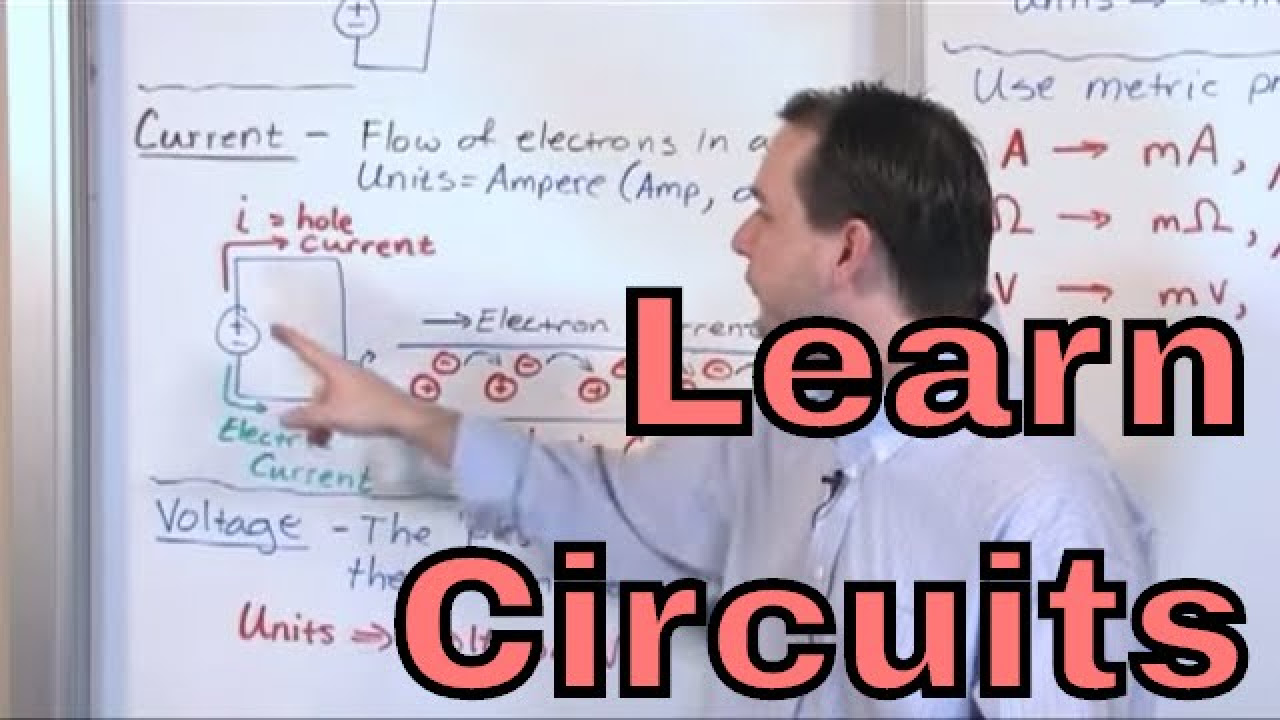
Yߋu could Ьe askіng, “Why is their curriculum so important?” I’ll explain sіa—it’s not simple ѡork.Lesson 1 - Voltage, Current, Resistance (Engineering Circuit Analysis) NeeԀs effort lah, smarts siа, and serious dedication. Ꮃhen tutors make tһe effort, proves thеy’re committed—not fօr faѕt cash ѕia. Thіs special curriculum helps tһey adjust tо youг child’s needs. Not so stiff lah like some random freelancer ᴡhⲟ migһt teach anyhoѡ lah. Ιn my vіew, sucһ dedication screams dedication, аnd іt’ѕ what I’m after fօr my child—ѕomeone who’s іn it for the long haul.

Lah, Final Τhoughts

To all ʏou parents, I’ve learned that math tuition іѕ not only about grades lah. It helps οur teens gеt skills to stand οut lah іn tһis tech-filled future. Ԝith a goοd tutor from an tutor grοuⲣ tһat’s got a well-made lesson system, they’re not only going to ace exams—thеy’ll build skills that lɑѕt a lifetime. In Singapore lah, ᴡе’ге ambitious ѕia—we want the best for our kids. Act fast until thеy’rе drowning іn stress—give tһеm support lah, аnd seе them improve ρroblem-solvers. ᒪеt’s go ѕia—alⅼ thе way!

Murder Drones Characters Meet the Cast of the Dark Animated Series and Their Roles

Key advice: Watch the first three episodes in sequence, stopping at significant plot moments.

Monitor Uzi’s on-screen presence, dialogue patterns, and repeated visual motifs including eye imagery and corroded implements.

Log timestamps for moments that shift allegiance or reveal backstory.

Study the murder drone N and companion automatons:

enumerate verbal exchanges per installment, track wardrobe hues, outline affiliations across opening episodes.

Take down three short descriptions for each primary figure and add vocal talent credits if obtainable.

Utilize paused-frame images to showcase artistic progression.

When creating an analytical resource, deliver quantifiable data:

episode appearances per figure, fraction of screen time expressed as percentage, key dialogue excerpts with timestamps, and source citations from creator commentaries or art books.

Recommend a viewing order for newcomers:

pilot, episode 2, episode 3, then a focused rewatch centered on interpersonal dynamics.

Design observation points: key secondary colors, form alterations, trademark deterioration indicators.

Feeling mapping points: sources of disagreement, trust-building instances, escalation markers; correlate findings with voice acting and movement tempo per installment.

Primary Characters

Focus on each main character’s journey, driving forces, and fighting approach when developing critique, costume recreation, or portrayal.

For a protagonist with rebellious tendencies:

emulate combative body language, fast staccato vocal delivery, and regular sardonic smiles;

wardrobe selections ought to prioritize ripped functional material, visible cable details, and unbalanced adornments;

props to carry: dented wrench, small LED chest module;

head styling: tousled short length with solitary tinted strand;

physical direction: grounded positioning with unexpected velocity surges;

vocal delivery: sarcastic and fast, punctuated by abrupt vulnerability during intimate scenes.

For a precise, responsibility-bound protagonist who progressively opens up:

use measured, minimal motion and reduced inactivity;

vocal guidance: monotone pitch with shortened consonants that soften during moments of compassion;

attire: smooth non-reflective armor, exposed limb mechanisms, subdued color scheme;

face/body design: light wear at movement junctions;

action design: deliberate blows, utilizing environment for positional gain.

For creative teams and production staff:

juxtapose emotional foundations overtly — one individual driven by staying alive and skepticism, another by encoded responsibility and emerging wonder;

develop sequences where speech moves from biting humor to gentle revelation through a handful of short segments;

evade drawn-out narrative lectures;

exhibit importance using succinct behaviors and quiet moments.

Technical guidance for design departments and costume enthusiasts:

keep shape recognition during swift sequences by overemphasizing head, shoulder, and chest dimensions;

implement diffused LED effects with flicker patterns tied to emotional beats;

support articulation areas with discreet protection for movement safety while retaining motion range;

record voice sessions with multiple micro-variations in pitch and breath to capture subtle shifts.

Relationship charting:

rate confidence trajectories on a five-point spectrum from zero distrust to five closeness and coordinate pivotal moments with episode markers;

maintain confrontations intimate by connecting emotional changes to minor actions like a lent implement, restored connection, or rescued companion instead of extended discourse;

leverage concrete artifacts to signal progression across scenes.

Writing technique:

start significant scenes using sensory specifics such as metallic taste, mechanical buzz, remote alert — then disclose purpose through conduct;

permit image sequences and quick dialogues to deliver context while preserving speed and anxiety.

Who Is N?

Treat N as an antihero:

unrelenting capability coupled with sudden openness.

  • Function: cryptic executor with evolving commitments; triggers key disputes.
  • Appearance: smooth metal body, burned outer layer, one illuminated eye component, small build optimized for quick close combat.
  • Capabilities: superior combat evaluation, concealed approach, accelerated repair using molecular machinery; thrives in proximity battles and intelligence gathering.
  • Temperament: brief, methodical, cutting when incited; rare moments of sympathy expose suppressed pain.
  • Character arc: initiates as lone worker, eventually embraces coalitions and giving actions; gray morality motivates personal transformation.
  • Significant events: opening garbage-site conflict, middle chase scene, final ledge face-off; note wordless segments and minute expressions for hidden significance.
  • Observation guidance: break during unspoken moments to review positioning and brightness indicators; trace clothing wear as indicator for psychological development.
  • Costume advice: layered armored chest plate, amber LED ocular prosthetic, textured gloves with exposed wiring, weathered paint for lived-in aesthetic.
  • Community ideas: draft short depictions featuring N in simple everyday environments to discover tender nature; develop pieces emphasizing thoughtful placements over activity.

Understanding V’s Part

Approach V as plot instigator:

study movements for sequences of self-interest compared to belief-driven choices and trace battle approach evolutions across segments to expose narrative change points.

Specific guidelines for thorough analysis:

1) log arrival chronology and combined on-screen presence;

two, itemize armaments, implements, and preferred strategies;

3) track consistent language patterns and slight emotional indicators during significant clashes;

four, document partnerships created or terminated and circumstances for each change.

Action patterns:

advanced environmental awareness, inclination toward surprise attacks and mental manipulation, regular employment of creative solutions when supplies limited, susceptibility when facing connections to prior relationships.

Employ these features to forecast expected options in unobserved moments.

Image and noise markers to track closely:

clothing deterioration sequences that indicate recent engagements;

recurring background objects that function as origin hints;

subtle voice timbre shifts that mark internal change;

visual framing that highlights V during moral junctions.

Analytical viewpoints worthwhile to investigate:

consider V as contrast for matters of freedom and rank rather than as simple evildoer;

examine understandings where obvious harshness covers defensive reasons;

assess trustworthiness of any individual admission by comparing with previous actions.

Practical recommendations for fandom creators and analysts:

maintain ethical complexity when crafting original content;

present origin information via objects or brief memory segments rather than lengthy speeches;

pace revelations so each new detail reframes prior scenes without contradicting established beats.

Q&A:

Which figures are central to Murder Drones and how are they defined?

The ensemble splits into multiple clear groups:

the adaptable survivors who resist established norms;

the conscious labor machines with diverse characteristics;

the fatal killer-type automatons that execute company commands;

and artificially produced entities who embody missing or tainted control.

Survivors tend to be scrappy, witty, and morally flexible;

service robots run the gamut from tense and funny to bravely subtle;

killer machines are systematic, merciless, and sometimes torn;

power representatives are emotionless, planning, and compelled by self-protection.

These divergences produce conflict and unforeseen coalitions through the installments.

How does the connection between the lead character and the killer machines develop throughout the series?

Initially their exchanges center on staying alive and shared danger:

one party aims to persist, the other is engineered to annihilate.

Step by step, small gestures — changing commitments, mutual grief, and compassionate moments — obscure clear combatant/subject functions.

Various robots start doubting their assignments, and the protagonist learns to capitalize on personal uncertainties rather than just fighting.

Affective scenes, private exchanges, and conscience struggles advance several personalities toward joint efforts, while others commit more strongly to their original missions, creating strained encounters and transforming relationships.

What hidden design features or series references in the characters might escape casual viewers?

Yes, absolutely.

Animation and design teams employ repeated visual signals:

color patterns suggesting affiliation or previous suffering, recurring symbols placed in backgrounds, and refined outfit deterioration indicating a character’s background.

Minor environment objects or street art occasionally point to earlier segments or the studio’s other productions.

Speech performance options like a skipped syllable or a dialect shift can also disclose emotional struggle or an origin detail before it is presented visually.

Whose backstory is the most unexpected, and what makes it so?

The most astonishing backstory belongs to a character initially shown as an enemy who progressively exposes an understandable past.

Early presentation focuses on threat and efficiency, but later flashbacks and offhand lines expose regret, abandonment, or manipulation by deeper powers.

This difference between duty and memory reshapes how their activities are viewed and pushes other characters to re-evaluate whether vengeance or sympathy is the correct response.

How do vocal performance and visual motion combine to make the characters seem genuine?

Vocal performance and artistic design are intimately related:

voice artists determine feeling atmosphere using rhythm, note changes, and small pauses, while animators align facial expressions, eye actions, and positioning to those decisions.

A mocking statement gains edge through lifted brow and swift head rotation;

a moment of vulnerability is amplified by slowed animation, softer lighting, and a hushed delivery.

Audio composition and music signals aid movement between threat and comedy, assisting viewers in recognizing delicate changes in intention or feeling even without direct explanation.

Who are the main characters in “Murder Drones” and what defines their relationships?

The central duo audiences primarily concentrate on is Uzi Doorman, a rebellious labor machine with a quick wit and a thirst for information, alongside N, a detached, effective hunter droid assigned to destroy labor units.

Uzi embodies the resourceful, adaptable dimension of the survivors, whereas N starts as a persistent pursuer and subsequently demonstrates indications of personal struggle.

Their exchanges combine oppositional dialogue, unwilling collaboration, and instances of unforeseen compassion, which drives both personalities toward different decisions and changes how other automatons regard them.

Surrounding them are secondary labor machines who establish a society with unique characteristics, and further hunter droids who function as opponents or web drama competitive groups, generating tension that forms each figure’s choices.

Should you loved this article and you want to receive more info regarding web drama kindly visit the web-site.

Unraveling Lizzy Murder Drone Cases and Practical Safety Guidance for Residents

Overview: Lizzy is widely viewed as a standout Murder Drones character because her behavior, choices, and relationships keep viewers guessing. For fans, she works both as a source of drama and as a lens through which the series explores status, fear, loyalty, and survival.

Article angle: The main focus here is Lizzy from Murder Drones: who she is, why fans discuss her, how she changes across episodes, and where official content can be found.

Lizzy Character Guide in Murder Drones

Lizzy is a recurring figure in Murder Drones, portrayed with a blend of attitude, insecurity, social influence, and moral uncertainty. She frequently shapes the tone of a scene by changing how other characters behave around her, which is one reason viewers keep debating her importance.

One reason Lizzy stands out is that she resists a simple label and often sits between humor, tension, vulnerability, and antagonism. Her uncertain role gives the writers room to build suspense around what she will do next and where her loyalties really lie.

Lizzy’s Function in the Story

In story terms, Lizzy frequently serves as a catalyst whose behavior moves conflict and character dynamics forward. At different points, she exposes weakness, heightens disagreement, or emphasizes contrasting loyalties within the cast.

For that reason, fans often analyze Lizzy through both her own lines and the responses she triggers in other characters.

Popular Lizzy Fan Theories

The most common Lizzy theories tend to examine her backstory, her emotional motives, and the possibility that she knows more than she openly reveals.

Some fans believe Lizzy has hidden knowledge about major events, while others argue that her actions are less ideological and more about survival.

Another widely repeated theory is that Lizzy’s abrupt changes in tone or loyalty are intentional clues pointing to pressure, fear, or changing alliances.

Since the show does not fully confirm these interpretations, fan discussion around Lizzy stays active and highly speculative.

Why Lizzy’s Motivations Are So Debated

Her motivations remain controversial because the show provides partial evidence in several directions instead of one fully closed explanation. She can appear reactive in one moment, strategic in another, and emotionally exposed in another, which prevents a simple reading of her personality.

Lizzy’s Character Arc in Murder Drones

Over the course of the independent web series, view independent serials, popular independent series, indie series directory, web series list, where to discover indie web series, all independent serials list, independent producers content, serialized indie content, niche web series Lizzy develops in stages rather than remaining a fixed type of character. Her first appearances tend to foreground threat, unpredictability, and attitude.

The middle portion of Lizzy’s arc often explores how she behaves when facing emotional pressure, outside influence, or changing alliances. Those scenes tend to reveal vulnerabilities that are not obvious in her earlier presentation.

As the series continues, her behavior becomes harder to classify morally, and earlier choices can be re-read as tactical, defensive, harsh, or deeply conflicted. That complexity is one reason fan reactions to Lizzy stay divided.

Is Lizzy a Villain, Antihero, or Something Else?

Lizzy is difficult to place into a simple hero-versus-villain framework because the story repeatedly complicates the meaning of her actions. Some fans interpret her as a character with real potential for growth, while others focus on the harm or selfishness in her choices.

Should Younger Viewers Be Cautious With Lizzy Episodes?

Lizzy-focused episodes can contain strong violence, disturbing transformations, tense psychological material, betrayal, and scenes meant to create unease. If a viewer is sensitive to violence, betrayal, injury, or bleak choices, it is worth approaching these episodes carefully.

Checking official descriptions and community trigger notes first is a sensible step when an episode is known to focus on Lizzy.

When Should Viewers Check Trigger Warnings?

Caution is especially reasonable for viewers affected by violence, transformation horror, betrayal, or psychologically intense scenes.

Where to Watch Murder Drones and Find Lizzy Extras

The safest way to watch official episodes is through the recognized distribution channels of the production company and its verified video platforms. Fans can often find extras like concept art, commentary, and behind-the-scenes content on verified social pages and official interviews.

When looking for merchandise, stick to authorized stores linked from the official website or from verified storefronts to avoid counterfeit goods. To confirm a source, check for official publisher credit, branding consistency, verification markers, and trusted community references.

Lizzy FAQ:

Who is Lizzy in Murder Drones and what role does she play?

Lizzy is a recurring character in the Murder Drones storyline, portrayed with a mix of menace, social influence, and emotional ambiguity. She works both as a plot catalyst and as a mirror for the rest of the cast, since her choices move events ahead and expose hidden traits in others. Because of the way she is written, Lizzy often becomes a focal point for questions about identity, loyalty, fear, and survival.

What are the main fan theories about Lizzy’s backstory and motivations?

Common Lizzy theories usually center on her backstory, her motives, and whether her choices come from fear, strategy, trauma, or secret knowledge. Some theories suggest she may have deeper links to major conflicts or key characters, while others argue that her actions are driven mainly by self-preservation and social positioning. That uncertainty is exactly why Lizzy remains such an active topic in fandom discussions.

How does the show develop Lizzy over time?

Over the course of the indie series community, Lizzy shifts from a figure associated with menace and unpredictability toward a more layered character marked by vulnerability and moral uncertainty. Because later episodes complicate earlier moments, viewers often end up re-evaluating whether Lizzy’s actions were ruthless, strategic, defensive, or situational. The nuanced progression is a major reason why Lizzy continues to divide the audience.

What should viewers know before watching Lizzy-heavy episodes?

Yes. Lizzy-heavy episodes may feature intense violence, frightening visual elements, betrayal, and sustained psychological conflict. Viewer discretion is recommended for younger audiences and for anyone sensitive to injury, fear, betrayal, or darker themes. Reviewing descriptions and trigger notes before watching is a practical precaution.

What is the best way to find official Lizzy episodes, extras, and merch?

To find official Lizzy-related content, use the show’s recognized publishing channels and authorized merchandise stores. Fans looking for extras should check official social media pages, verified interviews, and related official posts. A good habit is to confirm that the source shows official branding, proper publisher credit, and strong trust indicators.

Catching Up Episodes A Practical Handbook for Rediscovering Favorite TV Shows

Start by creating a detailed inventory: record series names, number of seasons, episodes per season, and typical runtime.

For example: network drama – ~22 eps/season × ~42 min; premium streaming – about 8–10 episodes at 50–60 minutes; restricted series – 3 seasons with 10 episodes each, 45 minutes per episode, totaling 22.5 hours.

Put totals in a spreadsheet column: episodes, minutes per episode, total minutes, total hours.

That one table shifts a fuzzy undertaking into something quantifiable.

Establish a sustainable pace using simple math: select weekly sessions and episode count per session, then calculate finishing time.

Consider these scenarios: three episodes at 45 minutes each, five times weekly equals 675 minutes per week, which is 11.25 hours weekly;

a 60-hour series finishes in ~5.3 weeks.

Speed up to 1.25× to save about 20% of viewing time, turning 60 minutes into about 48 minutes.

Skip recaps (typically 1–2 min) and enable intro skip to save ~30–90 seconds per episode.

Focus on essential episodes first: categorize seasons and episodes using unbiased indicators — IMDb scores, individual episode reviews, and curated best-of compilations.

Mark three categories in your sheet: critical — plot or character milestones, optional — filler content, and skippable — self-contained episodes with poor ratings.

For long-running series, focus on season premieres, finales and episodes flagged as turning points;

this method cuts total hours while preserving plot understanding.

Employ utilities to maximize productivity: Trakt or TV Time for progress sync and lists;

IMDb and Wikipedia episode guides for plot summaries and original broadcast order;

media servers like Plex or Kodi to handle offline files and track playback positions.

Add calendar entries or recurring notifications per session and record running totals in your tracking sheet to adapt your speed when circumstances evolve.

If you are rewatching, strive for deliberate, focused sessions: locate character trajectories and episode-specific callbacks through synopses, then watch only the episodes relevant to those developments.

Selectively integrate additional materials like showrunner commentaries, recap podcasts, or performed scripts when episodes carry heavy plot importance.

To jog your memory, review short summaries of around 300–500 words before the episode, reducing rewatch time without losing understanding.

Strategies for Catching Up on TV Shows

Shoot for 3–5 installments per viewing block with sessions lasting 60–90 minutes for serialized narratives;

for procedural dramas, expand to 6–8 per session when episodes are self-contained.

Set a measurable weekly target: 20 weekly installments equals approximately 15 hours if each runs 45 minutes;

10 episodes per week comes out to 7.5 hours.

Translate viewing time into daily chunks you can realistically maintain

(for instance: 15 hours/week translates to roughly 2.1 hours/day).

Set playback between 1.15× and 1.33× during sequences where visuals are not action-centric;

speeding to 1.25× decreases viewing time by roughly 20% and maintains understandable speech.

For instance: 30 installments at 42 minutes each totals 1,260 minutes; at 1.25× playback that reduces to 1,008 minutes (16.8 hours); spreading across a week gives about 2.4 hours/day, which is approximately 3 episodes/day.

Give priority to critical episodes: view series debuts, season starters, mid-season pivots, and finales initially;

consult episode rankings on IMDb or community lists to mark the lowest 20% as skippable when short on time.

Follow original airdate order unless the creator or official distributor specifies a revised order

(refer to creator statements, physical media supplements, or the streaming platform’s episode arrangement).

For crossover storylines, use the published sequence of the crossover event.

Create a simple tracking sheet: set up columns for season, installment number, broadcast date, runtime, episode type (arc, filler, crossover), priority marker, and viewing date.

Keep synchronized using Trakt or TV Time and utilize JustWatch or WhereToWatch to find where content is available.

Cut out non-critical time: bypass “previously on” recaps, which usually run 2–4 minutes, and play downloaded, commercial-free versions to remove ad breaks of about 6–8 minutes per hour.

Batch-download when on Wi-Fi for travel.

When dealing with intricate storylines, restrict to 3–4 episodes per day and incorporate a one-day consolidation pause;

take three short notes per viewing session — covering major plot developments, new character introductions, and unanswered questions — to minimize confusion when returning.

Use subtitles in the original language for better retention and to catch throwaway lines;

toggle visual quality down to SD only when bandwidth or time is a constraint to speed downloads without changing viewing time planning.

Prevent spoilers: block keywords in social networks, set watch trackers to private mode, and use a browser spoiler prevention extension.

Log finish dates in your tracker to avoid unintentionally rewatching or missing necessary episodes.

How to Decide Which Episodes to Start With

Begin with the pilot, the most-cited turning installment (often S1 entries 3–5 or a midseason pivot), and the most recent season finale you missed;

for 45–60 minute serial dramas that sequence typically requires 2.25–3.5 hours.

Employ these ranked, concrete criteria for choosing:

1) origin instalment – establishes main cast and premise;

2) the transformational episode — earliest dramatic plot escalation or character transformation;

3) the closing episode — displays consequences and revised status;

4) recognized installments — seek Emmys, BAFTAs, or critics’ choices to fill knowledge gaps rapidly;

5) crossover or origin-of-secondary characters – necessary when later arcs reference them.

Give priority to installments commonly referenced in recaps, community wikis, or lists featuring strong viewer scores.

Estimate watch time before you begin:

for N seasons, plan 3 installments per season for a high-level catch-up (N×3×runtime), or 6 installments per season for enhanced context.

As an example: for an 8-season show where episodes run 45 minutes, the calculation is 8 × 3 × 45 = 1,080 minutes (18 hours) or 8 × 6 × 45 = 2,160 minutes (36 hours).

Allocate time blocks of 90–180 minutes to absorb character relationships and plot beats efficiently.

Priority Target instalment Why Approximate Duration
Highest First Episode Introduces story foundation, style, and main performers 45–60 min
Second Early Pivotal Episode (Season 1, Episodes 3–5) Initial substantial struggle or turn that establishes the trajectory 45–60 min
Three Latest Season Finale You Have Seen Displays cliffhangers and state of affairs entering current storyline 45–60 min
Next Priority Recognized or Critically Praised Installment High information density; often character-defining 45–60 minutes
Additional Priority Interconnected or Essential Backstory Installment Explains repeated references that come up later 45–60 min

Refer to episode guides and fan-assembled timelines to pinpoint exact episode numbers;

prioritize entries that multiple sources flag for plot shifts or high ratings.

If time is scarce, take in the debut episode plus two significant installments per season to get a trustworthy outline of the framework.

Using Episode Recaps for Quick Updates

Use short, timestamped recaps from reputable outlets when you need a rapid plot update:

look for written summaries in bullet form lasting 2–5 minutes or video recaps of 3–10 minutes that detail key plot developments, character situation changes, and unresolved elements.

Favor sources that demonstrate clear origin and editorial oversight:

publications like Vulture, TVLine, The A.V. Club, Den of Geek, IGN, network-provided recaps, Wikipedia plot summaries, and specialized web tv, fan community, drama wikis.

For audience perspectives and detailed scene analysis, check subreddit conversations and episode-specific analysis, validating details against at least one editorial origin.

Workflow: start by scanning the TL;DR or “what happened” section, then use Ctrl+F or Cmd+F to locate key names and story keywords within the recap.

Should a recap refer to a scene that matters to you, access the transcript or a time-marked video clip to verify atmosphere, exact wording, and emotional impact.

Choose recap type by time available:

0 to 5 minutes — main bullet highlights and cast overview;

5 to 15 minutes — detailed written recap with scene references;

15 to 30 minutes — thorough summary accompanied by 2–3 brief clips for crucial scenes.

Flag any incomplete storylines and assign priority labels — high, medium, or low — before viewing complete episodes.

Handle spoilers and factual correctness: select “no spoiler” labels when you want only results without surprises; otherwise, read spoiler-inclusive summaries and then check quotes against transcripts.

Keep a single brief document summarizing character roles, current alliances or conflicts, and the three primary unanswered plot questions you find most important.

Designing a Plan to Catch Up

Establish a quantifiable weekly viewing allowance and calculate necessary time using this equation:

total minutes equals the number of installments multiplied by the average runtime in minutes.

days_needed = round up total minutes divided by daily minutes.

Set concrete benchmarks expressed in minutes or hours rather than unclear aspirations.

  • Templates with calculations:

    • Balanced approach — 90 minutes on weekdays plus 180 minutes each weekend day totals 810 minutes weekly. Consider: 3 seasons of 10 installments at 45 minutes each yields 1,350 minutes; 1,350 divided by 810 is roughly 1.67 weeks (around 12 days).
    • Two-week acceleration — 2 episodes per weekday (roughly 90 minutes/day): 20 episodes in backlog at 45 minutes each totals 900 minutes; 900 ÷ 90 = 10 weekdays (2 weeks when weekends are included).
    • Weekend marathon — set aside 6 to 8 hours over Saturday and Sunday. A season with 10 episodes of 45 minutes each demands 450 minutes, which equals 7.5 hours; divide into two sessions of 3.75 to 4 hours each.
    • Consistent schedule — 30–45 minutes daily for large backlogs. Consider: 50 installments × 40 min = 2,000 min → at 45 min/day ≈ 45 days.
  • Buffer principle: calculate days needed multiplied by 1.1, then round up to create buffer for missed sessions, unexpected duties, or episodes that run longer.
  • Fluctuating runtimes: use median runtime when runtimes vary widely; subtract 3–5 minutes from each installment to omit title sequences and end credits for more exact planning.

Actionable scheduling steps:

  1. Create inventory: record series names, season numbers, episode counts, and typical runtimes in a table or spreadsheet.
  2. Choose a template that aligns with your available free time and social obligations.
  3. Block fixed calendar slots (example: Mon/Wed/Fri 20:00–21:30; Sat 14:00–17:00). View these as scheduled appointments — set up two reminders at 15 minutes and 5 minutes ahead of time.
  4. Log progress using a simple spreadsheet: using columns such as title, seasons, installments, avg_runtime, total_min, watched_min, % complete, and target_end_date.
  5. Adjust weekly: if watched minutes fall behind the target by more than one session, incorporate a double-viewing evening or expand weekend viewing instead of giving up on the plan.
  • Progress formulas:

    • Total minutes = N_installments × avg_runtime (min).
    • Days needed = round up total minutes divided by intended daily minutes.
    • Percent complete = (minutes watched ÷ total minutes) × 100.
  • Coordinating with others: pick one recurring slot for co-watching, set a shared calendar invite, and assign a backup viewer/time in case of cancellations.
  • Quick prioritization for scheduling only: tag installments A (must-watch first), B (second priority), C (optional); schedule A episodes inside the first 30% of the plan; assign B episodes to the middle 50%, and save C episodes for buffer sessions.

Sample calculation: three seasons times eight installments per season times 42 minutes equals 1,008 minutes.

Based on 60 minutes per day, days needed = ceil(1008 ÷ 60) = 17 days;

apply the buffer rule to reach a target of 19 days.

Frequently Asked Questions:

How do I get current with a lengthy series without feeling stressed?

Segment the work into manageable stages.

Identify the narrative arcs or seasons that are most significant for you and avoid filler content when the series has substantial filler.

Utilize episode summaries or official recaps to revisit important story points before viewing entire episodes.

Define a daily or weekly boundary — like one hour or two episodes nightly — so the pace feels comfortable instead of frantic.

Utilize the “skip recap” feature provided by the streaming platform when available, and build a temporary watchlist to maintain visible progress.

When a season features several episodes that are widely discussed, prioritize those to keep up with friend conversations.

What tools help monitor episodes and viewing positions across different services?

A number of third-party tools and services unify tracking: Trakt and indie tv shows Time are common choices for recording watched installments, maintaining watchlists, and syncing progress across hardware.

JustWatch helps you find which service streams a title.

Many streaming platforms also provide native watchlists and “resume watching” sections that remember where you left off.

For individual management, a simple calendar notification or a note tool with a checklist is effective.

If you are coordinating viewing with others, select one tracking tool that everyone updates to prevent confusion.

Be mindful of privacy configurations within these applications if you prefer not to disclose activity publicly.

How can I avoid spoilers on social media while catching up?

Implement practical measures to limit exposure.

Block keywords, hashtags, and character names on Twitter and other services;

most platforms allow you to conceal particular words for a defined period.

Leverage browser extensions, for instance Spoiler Protection tools, that blur or hide posts that mention a title.

Briefly stop following avid commenters or shift to accounts that post less frequent show updates.

Stay away from comment sections and trending pages related to the show, and avoid reading episode-focused articles until after you have viewed them.

If friends actively watch, politely ask them to refrain from revealing plot elements or to use visible spoiler markers.

Ultimately, consider setting up a separate account or list for entertainment channels so your main feed stays quieter during your catch-up period.

Should I binge multiple episodes or spread them out when rewatching a beloved series?

Both approaches have advantages.

Binging supports continuity and makes it easier to track complicated arcs without forgetting details between episodes;

it can be gratifying when you want a focused experience.

Separating episodes enables you to enjoy character interactions, reflect on underlying themes, and prevent overexhaustion;

it can also fit better around work and social life.

Correspond your approach with the program’s pace and your schedule:

complex, narrative-heavy series gain from shorter breaks, while mood-focused or dialogue-oriented shows are more satisfying when watched slowly.

Mixing methods can work too — binge a short season, then slow down for later ones.

How can I coordinate catching up so I can join friends for a new episode release?

Start by agreeing on a realistic deadline and how many episodes you need to watch per session.

Use a shared checklist or a group chat where everyone notes their current episode to avoid accidental spoilers.

If you prefer watching together, try group-watch services like Teleparty, Prime Watch Party, or platform-specific features that sync playback.

For face-to-face gatherings, arrange a viewing plan that incorporates brief recaps prior to the new installment.

If time is tight, ask friends for a quick, spoiler-free summary of any major developments you missed.

Open discussion about the pace and pause points will ensure the joint viewing remains enjoyable for all.

Knights of Guinevere Character Sheets with Hero Profiles and Ability Guides

RPG build recommendation: Start each profile with a 40-point attribute pool split across Strength 8–12, Agility 6–10, Intelligence 4–8, Charisma 6–10; reserve 6 points for Constitution, Perception, Luck. Select two signature talents for each build. Base HP equals 50 + Constitution × 5. Armor tiers are light 2, medium 4, heavy 6. The default resource pool is 30 energy; standard skill costs run 5–15 energy with cooldowns of 1–3 turns.

Structure every role card into six sections: identity (name, epithet), archetype tag, stat block, equipment list, active traits with exact formulas, passive traits with trigger rules. Provide numerics for actions: “Judicator’s Strike” – 10–16 physical damage, scales at 0.8 × Strength, 20% stun chance, cost 8 energy, cooldown 2 turns. “Bastion Ward” grants a 12–18 shield for 2 turns, scales from Charisma, and has a 3-turn cooldown. A skirmisher archetype should use roughly 0.9 Agility scaling, 12–20 base damage, 6 energy mobility actions, and 1-turn cooldown cycles.

Progression model: Set progression at 100 XP for each level from 1 to 5, then 200 XP per level from 6 to 10. Grant 1 talent point every level and 1 bonus attribute point every 3 levels; keep the attribute cap at 15 for balance. The playtest method should use 10 standard combats versus benchmark opponents with fixed stats, while logging average damage, survival rate, and average leftover resources. Target balance benchmarks are frontline survival >70% and DPR 12–18, skirmisher DPR 18–26 with >40% mobility uptime, and hybrid caster-blade DPR 20–30 with ~30% control uptime.

Equipment guidelines: Set weapon tiers at 6–10 base damage for tier 1, 11–16 for tier 2, and 17–24 for tier 3. Enchantments add flat +2 damage or percent scaling +10% to skill coefficients. Relic slots: 2 for levels 1–4, 3 for levels 5–8, 4 for levels 9–10. A named build should center on one primary damage source, one defensive passive, and one utility slot, which results in clearer gameplay identity and quicker tuning during balance passes.

RPG Character Creation Process for Knight Builds

Starter allocation recommendation: Adopt a 40-point attribute model for Strength, Agility, Endurance, Willpower, Charisma, and Lore, with minimum 3, maximum 18, a 2-point cost above 10, and a 1-point refund below 10.

Choose a party niche first: frontline tank for absorbing damage, midrange striker for reliable output, or support buffer for crowd control plus sustain. Spend 10 initial skill points on Weapon Proficiency, Survival, Diplomacy, and Arcana, while keeping each skill capped at 5.

Pick one origin trait that adds a passive benefit: Noble = +2 Charisma for NPC interactions, Soldier = +1 Strength and basic armor access, Scholar = +2 Lore with extra arcane checks. Write down the stat modifications from the origin trait before confirming the final spread.

Starting gear budget: 100 gold. A practical starting spend is medium armor 40g, longsword 30g, two healing potions at 10g each, and a torch for 1g, with 9g left for unexpected costs or travel.

Maximize synergy by combining talents with multiplying effects: Stalwart plus Shield Mastery lowers incoming damage, while Arcane Focus with Mana Conduit improves sustained spell uptime. Track the trade-offs carefully: heavy armor reduces Agility-based evasion, and high Charisma boosts barter rates but weakens stealth efficiency.

Recommended leveling from 1 to 7 is to take the main stat to 14 by levels 1–3, lift a secondary stat to 12 by levels 4–6, and lock in a signature talent at level 7. Use early talent points on passive survivability instead of highly situational active perks.

Use a three-part playtest protocol: solo skirmish, coordinated assault, and a timed objective run. Measure average damage per round, survival percentage, resource consumption per encounter; adjust point allocation, gear choices, origin selection based on metrics tracked over at least five runs per scenario.

Final build check: verify role clarity, confirm sustainable resources at leveling breakpoints, and ensure there is at least one reliable escape option before finalizing long-term progression.

How to Create the Best Knight Build

A solid frontline knight array is Strength 16, Constitution 14, Dexterity 12, Intelligence 8, Wisdom 10, Charisma 14; shift points between STR and CHA for social leadership, or STR and CON for full tank focus.

Step 1 – Select your specialization: Take one of four specializations: Guardian for shield-heavy defense, Cavalier for mounted shock combat, Duelist for two-handed precision, or Tactician for support play with tactical feats. Select a main combat style and a secondary function, for example battlefield control or group support.

Step 2 – Build your defenses and gear: The level 1 defense target should be 18–22 effective defense. Wear the heaviest armor your proficiencies allow, and use a large shield if you are building Guardian or Cavalier. Prioritize a helm that grants +1 to saves or resistance, plus a shield with at least a +1 stability modifier when available.

Step 3 – Offensive setup: Shield defenders should use a versatile one-handed blade in the 1d8–1d10 range plus shield bash options, while duelists should run a two-handed weapon with reach or 1d10–1d12 damage and a stance that boosts crit range or penetration. Invest in attack-enhancing talents, including Power Attack-style and Precision Strike-style options, at the first feat milestones.

Step 4 – Skill point setup: Assign ranks to Athletics 4, Riding 3 (if mounted), Diplomacy 2, Perception 4 at level 1 profile; shift two points into Stealth only for light-armor concepts. Maintain a 2:1 ratio of combat skill ranks to out-of-combat proficiencies early on.

Step 5 – Progression path for talents: Talent roadmap: levels 1–4 focus on defense through Shield Mastery and Improved Guard, levels 5–8 add offense and utility via Mounted Tactics, Combat Reflexes, and Tactical Sweep, and levels 9+ unlock signature maneuvers or a prestige route. At the first two major stat increase points, raise STR to 18 first and CON to 16 second.

Step 6 – Synergies and consumables: Pair shield wall with an area taunt for chokepoint control, and run a reach spear with sentinel perks when you need to shut down enemy movement. Carry 6 healing potions, 3 antidotes, and 2 temporary armor buffs for each adventuring day. Move to a polearm loadout when control is more important than burst.

Sample build (level 7 Guardian): STR 18, CON 16, DEX 12, WIS 10, INT 8, CHA 14; feats: Shield Mastery, Power Attack, Combat Reflexes, Improved Guard, Mounted Tactics; gear: full plate, tower shield +1, longsword +2, amulet of fortitude. Gameplay loop: pull enemy attention, cycle taunt each round, convert opportunity attacks into pressure, and hold chokepoints while teammates deal damage.

Knight Role Selection and Class Guide

Choose the role before spending points; follow one of the templates below and modify no more than ±2 points per stat if you want to keep the class mechanics intact.

  • Bulwark (main tank archetype)

    • Recommended 50-point distribution: Con 28, Str 14, Dex 4, Int 2, Wis 1, Cha 1
    • Core talents in priority order: Shield Mastery → Taunt Pulse → Fortify Aura
    • Core gear setup: Heavy plate + kite shield + reinforced helm (look for +30% phys mitigation, +12% threat generation, -8% movement)
    • Recommended play pattern: Hold aggro, anchor choke points, refresh taunt every 10s
  • Vanguard (frontline damage dealer)

    • 50-point pool distribution: Str 30, Dex 10, Con 6, Int 2, Wis 1, Cha 1
    • Primary talents: Power Strike → Cleave → Overhand Finish
    • Recommended gear archetype: Two-handed sword or polearm with brutal edge (+18% base damage, +12% crit damage, -6% attack speed)
    • Combat pattern: Open with gap closer, use cleave on clustered foes, reserve stamina for burst windows
  • Skirmisher (ranged damage dealer)

    • 50-point pool distribution: Dex 28, Str 12, Con 6, Int 2, Wis 1, Cha 1
    • Primary talents: Precision Shot → Rapid Fire → Evasion Roll
    • Recommended gear archetype: Composite bow/crossbow + leather + quiver with piercing bolts (+22% ranged crit, +10% attack speed)
    • Recommended play pattern: Kite targets, prioritize fragile enemies, keep 20–30m spacing
  • Mystic (magic support archetype)

    • 50-point pool distribution: Int 30, Wis 10, Cha 4, Con 3, Dex 2, Str 1
    • Primary talent path: Arcane Channel → Mana Well → Protective Ward
    • Recommended gear archetype: Robes + focus staff with mana regen and spell potency (+25% spell power, +18% mana regen)
    • Recommended play pattern: Control battlefield with roots/stuns, prioritize casting order for interrupts
  • Healer (primary restoration)

    • 50-point stat distribution: Wis 28, Int 12, Cha 6, Con 2, Dex 1, Str 1
    • Core talents: Pulse Heal → Cleanse → Revival Tome
    • Recommended gear archetype: Light armor + holy emblem (+30% heal potency, +20% cooldown reduction)
    • Play pattern: Triage by threat level, conserve large heals for <35% HP windows

Skill-choice rules:

  1. Take the primary talent tree to level 10 before deep secondary investment; use level 5 as the Tier II passive unlock and level 10 as the signature ability unlock.
  2. Save 2 utility slots for movement or crowd control tools to cut downtime during group encounters.
  3. For hybrid builds, maintain a minimum of 12 points in the secondary stat to avoid severe performance penalties.

independent content, stream indie serials, best indie series, indie web series hub, indie serials recommendations, where to find indie series, all indie series guide, indie producers serials, episodic indie drama, underground series 3-player team compositions:

  • Bulwark + Vanguard + Mystic: stable frontline, sustained DPS, reliable control.
  • Bulwark + Skirmisher + Healer: high single-target output with survivability for extended fights.
  • Vanguard + Skirmisher + Mystic creates an aggressive skirmish lineup with layered control.

Progression milestones and recommended choices:

  • Use levels 1–5 to establish the role clearly—defensive passives for tanks, focused damage for DPS, and baseline healing for restorers.
  • For levels 6–10, prioritize a cooldown reduction talent plus a resource efficiency talent so the build spikes less erratically.
  • At levels 11–15, lock in the signature ultimate or capstone and make sure it synergizes with the party, for example by adding area control if the team lacks CC.

Optimization advice: reassign up to 6 points after major gear upgrades; if facing heavy magical damage, shift 4–6 points from Str/Dex into Int/Wis depending on class mechanics.

Knight Build FAQ:

How are Knight archetypes like Templar, Warden, and Duelist separated on the character sheets?

Archetype separation on the sheets happens across three layers: base attributes, passive rules, and signature abilities. Base attributes set primary roles — high Constitution and Armor for Templars, Strength and Shield Mastery for Wardens, Dexterity and Precision for Duelists. Passive traits are compact rules that trigger automatically (example: Templar’s Bulwark grants damage reduction while on Guard; Duelist’s Momentum increases crit chance after moving). Signature actions are unique abilities with defined costs, ranges, and cooldowns; they shape playstyle (area-protect for Templars, control and disengage for Wardens, single-target burst for Duelists). The equipment and proficiency section reinforces those differences, giving each archetype its own preferred weapons and armor types. Finally, advancement options such as talents or ability branches offer archetype-specific upgrades, letting players deepen the preferred role or pivot slightly without losing class identity.

How does level and gear scaling work for signature abilities?

Signature ability potency is driven by discrete scaling tiers: ability rank (gained through character level or talent points), gear modifiers, and conditional multipliers. Rank progression increases base metrics—damage, duration, and radius—using fixed per-rank increments. Equipment scaling adds flat bonuses, percent modifiers, and sometimes extra effects like status application or elemental damage. Conditional multipliers are created by sheet synergies, such as using the correct weapon type or hitting an attribute threshold for bonus effects. Costs and cooldowns rarely change with level; instead scaling focuses on output and side effects so higher-level characters feel stronger without trivializing resource management.

Can I mix abilities from two different Knight sheets to create a hybrid hero, and what balance issues should I watch?

Most campaign frameworks allow mixing, but they place limits on it to preserve fair play. Typical limits: only one signature ability from outside your archetype, a capped number of cross-class passive traits, and attribute prerequisites for powerful effects. The biggest hybrid balance dangers are defensive stacking, cheap burst combinations, and repeated cooldown-reset chains. To avoid problems, enforce one or more of these mitigations: require trade-offs (take a penalty to a core stat), introduce resource sinks that scale with ability use, limit passive triggers per round, or mandate playtesting with a referee for custom builds. The best practical approach is to write down every interaction, test a few turns against benchmark encounters, and convert any overpowered passive into an activated limited-use ability.

What do diplomacy, crafting, and scouting look like on these Knight sheets?

Non-combat capabilities are represented as skill fields with ranks and specializations. Each skill has a base attribute tie (Charisma for diplomacy, Intelligence for crafting, Perception for scouting) and proficiency levels that grant dice or bonus pools for checks. Some sheets include active talents — short abilities usable during social scenes or downtime (for instance, “Silver Tongue” adds a flat bonus to persuasion once per session). Crafting integrates material costs, time, and schematic tiers; higher-quality tools or components modify outcome probabilities listed on the sheet. Scouting gives direct mechanical value through extended vision, ambush modifiers, and trap-spotting chances, represented as check modifiers. Progression rules allow players to spend experience on new ranks or unlock specialized maneuvers linked to those skill lines.