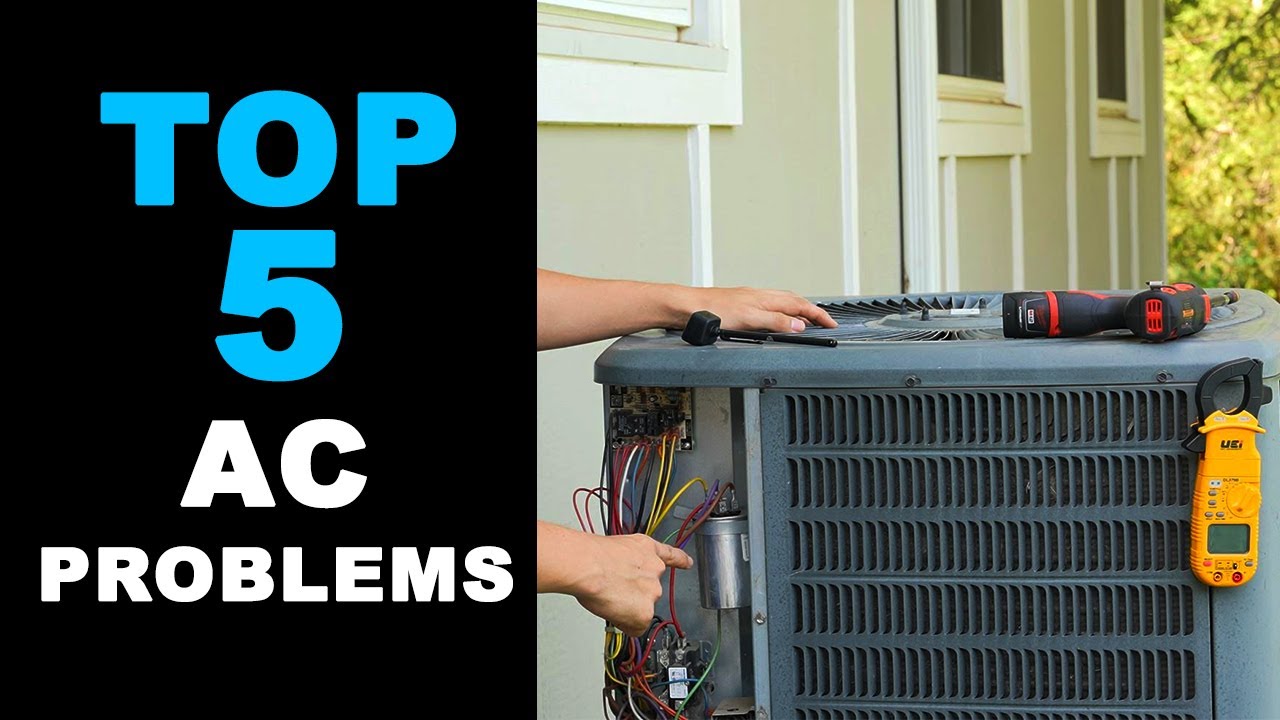
Staying cool isn’t luck; it’s planning, timing, and solid follow-through. You want quick fixes, yet you also need work that lasts. That’s why this guide focuses on clear steps that reduce risk while improving uptime. We’ll walk through scoping, parts selection, sequencing on hot days, and the checks that catch small issues early. In the real world, you juggle budgets, rooms in use, and rising temps. Smart crews blend preparation with tight quality gates to avoid do-overs. The right move at the right time saves hours later. Whether it’s a ranch home or a corner salon, your approach needs to flex with the space. We also show how to keep gains over the season with simple habits that pay back. Use these field-ready cues to guide timely, reliable air conditioning repair without drama.
Map scope early for smooth HVAC calls today
Start with a tight scope: room counts, occupancy windows, known history, and symptoms in plain words. You can review handy steps air conditioning repair for a quick checklist today. List breaker status, filter age, and thermostat quirks before anyone opens a panel. This trims guesswork and helps set realistic time blocks for techs. Record inside and outside temps to frame what “normal” looks like.
Share a contact who can approve parts quickly, and flag sensitive areas like a nursery or a server nook. At a small bakery, cooling the prep room first keeps dough workable. These priorities guide the route, tightening the window for interruptions. If ceilings are low, confirm safe, clear staging before tools roll. Clear roles mean fewer resets—and fewer surprises later.
Choose parts and refrigerants that match your system
Parts must match specs, not just “look close,” to avoid grief later. Keep a shortlist of compatible capacitors and contactors, and review options air conditioning repair for a quick cross-check before you buy. Use the nameplate and pair microfarads and voltage exactly. Pick fan motors with proper amperage and rotation, not just shaft size. Right piece, right rating beat “almost right” every time.
For refrigerant work, match blends by code and label, then confirm oils. A mismatched oil expands risk, especially on older retrofits. Example a 10-SEER unit at a bungalow needs a dual capacitor; skimping drops fan speed and spikes heat. In a storefront, a weak contactor can weld shut under lunch rush load. Choose precisely, and you sidestep callbacks and wasted truck rolls.
Sequence tasks to reduce downtime during peak heat
Order matters: diagnose fast, isolate safely, then triage heat-critical zones first. Check power at the disconnect, then verify thermostat signals air conditioning repair before chasing rare faults. With that baseline, move to airflow: filters, returns, and blower speeds. Coil visual checks come next; dirty fins mimic bigger failures. Fast fixes first keep comfort rising while deeper work proceeds.
On sweltering days, stagger outdoor unit work while sun exposure shifts, and prep tools to cut backtracking. In a second-floor condo, restore bedroom airflow before tackling fine-tuning. If the condenser fan motor fails, swap it before metering device tests to recover head pressure control. Reserve long evaporator cleanings for shaded hours. When noise is tight, communicate timing and expected pauses, then move briskly into ac repair to close the loop.
Control quality and risk with checks and testing
Quality isn’t a sticker; it’s a stack of small verifications. Record superheat and subcool numbers air Conditioning repair and compare to target charts for the day’s conditions. Verify voltage drop across contactors and confirm fan amperage under load. When numbers feel off, re-seat tools and recheck. Trust instruments, not hunches in harsh weather.
Add safety checks to shrink liability: tighten lugs, inspect insulation, and test float switches. At a daycare, a tripped condensate switch saved a ceiling. Photograph before/after values and post them in the job notes for transparency. Finish on a stable cycle, then verify supply temps across at least two registers. When rooms differ, confirm dampers and returns first.
Sustain efficiency with upkeep and lifecycle habits year-round
Maintenance locks in gains that fixes create under pressure. Build a simple plan, then set reminders air conditioning repair so nobody forgets in peak months. Change filters consistently and wash condenser fins with gentle pressure, not blasts. Trim greenery at least two feet to let coils breathe. Tiny steps, steady savings.
Think lifecycle: budget for contactors at five years and capacitors sooner under heavy cycling. In light retail, add a midsummer coil rinse to stay ahead. Label service panels clearly so next visits go faster. Log noise changes before they grow into failures. Good notes save time, turning rush jobs into predictable visits.
Conclusion
Good results come from clear scope, matched parts, and tight sequencing when heat is high. Add structured checks to control risk, then lock in gains with steady upkeep. These habits shorten outages and protect performance for homes and shops. The outcome is fewer surprises, steadier bills, and a quieter, cooler season.