Staying warm along the coast takes a cool head, especially when gulf-side air tests every seam in your system. Our focus here is practical steps that protect performance, limit risk, and keep calls short. You’ll learn how techs scope issues early, why the right parts pay off, and how timing changes turnaround and cost. Think of this as a field guide to keeping heat steady when the mercury dips. We’ll also flag frequent pitfalls homeowners miss, and share routine habits that extend a unit’s life. In a pinch, searching hvac near me can accelerate help, but choosing the right fit saves more than time. By the end, you’ll know which moves prevent breakdowns and how to handle the give-and-take behind each fix.
Scoping smartly to avoid surprises before work begins
Start with a focused intake: note noises, recent power blips, and thermostat behaviors. You can start with heater repair galveston to compare options. Next, walk the home with a simple log, verifying filter condition, breaker position, and surface corrosion on connectors. Document the sequence of operations after a cold start to spot lags or failed handoffs. This early map narrows guesswork, saves time, and tees up right-size testing.
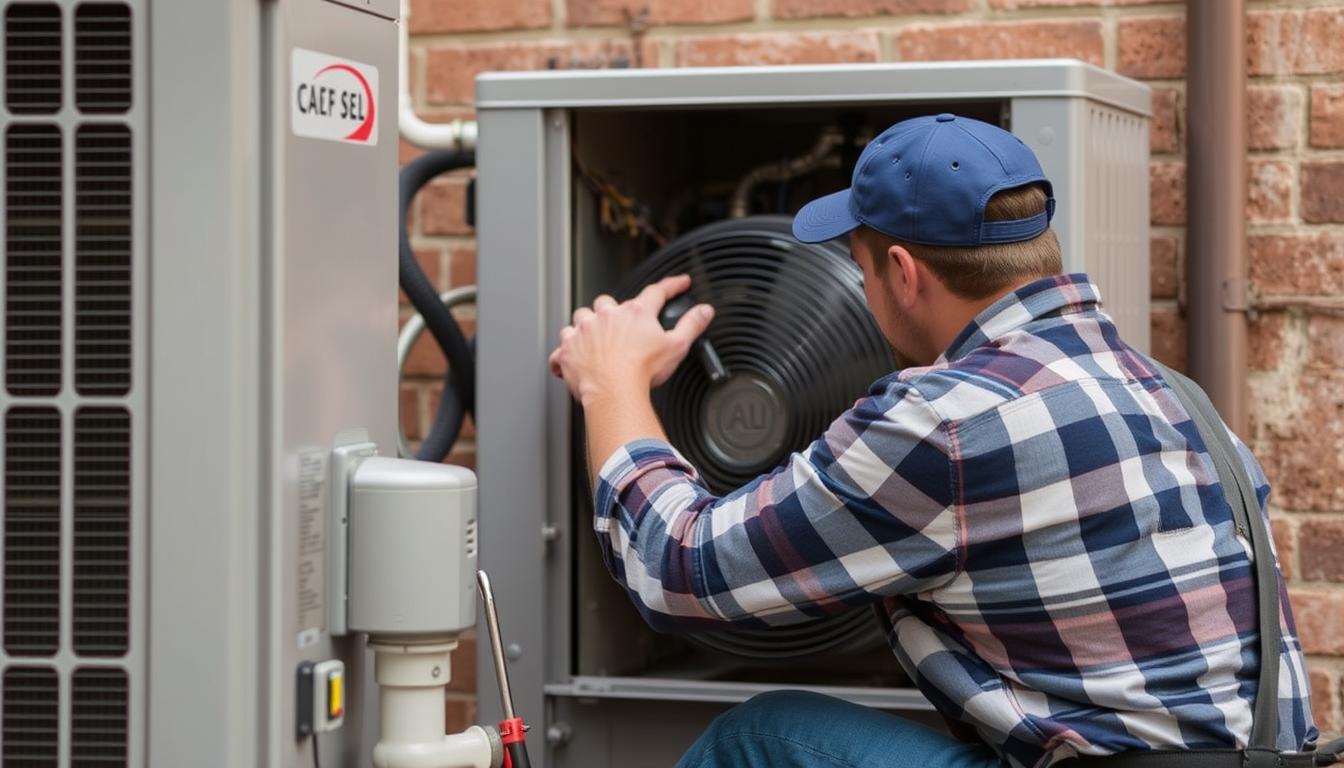
Confirm safety circuits first: pressure switch, rollout, and limit responses. Say, a garage install near paint fumes may trip sensors under load. If the inducer stalls, look for wind-driven debris or scale in the vent. When readings wobble, capture screenshots and keep them filed for clean handoffs. You’ll prevent rabbit holes later, and set a fact base for the estimate.
Choosing reliable materials and fit-right parts for coastal conditions
Coastal moisture and salt exposure eat cheap metals, so favor coated screws, gasketed panels, and sun-tough plastics. Compare supplier spec sheets at heater repair galveston before you buy. For heat exchangers, look for thicker gauge and clean welds; for igniters, select models rated for high-cycle starts. Use stainless or plated fasteners on outdoor housings, and keep dielectric grease for terminal joints. These small choices fight corrosion, cut callbacks, and hold efficiency.
Match gas valves and boards by revision, not “looks close.” A near-miss board can boot but misread sensors. If uncertain, have the counter confirm with your original part. Carry extra gaskets and tubing sized to your brand family. That way, you seal problems before they spread, not after a second trip.
Orchestrating predictable workflows and tight scheduling through the week
Block time by triage, parts run, and finish so nobody waits in the cold. For urgent cases, check status via Heater repair galveston and confirm arrival windows. Lead early slots with fast baseline tests to separate simple issues from critical failures. Group similar brands or models per day so tools and parts fit the pattern. This sequencing trims dead time, keeps promises, and boosts first-visit closure.
During storms, add buffer minutes per stop for windy conditions. Notify clients of window changes before pulling out. If parts slip, pencil a hold slot and send alerts. Provide simple prep steps: open access, secure pets, and free attic stairs. These cues shave minutes off each visit, which compounds across the route.
Managing quality and exposure with proven checks in the field
Use a short test battery: combustion analyzer pass, CO baseline, and vent verification under load. For transparency, confirm each step after heater repair galveston and summarize results on-site. Log brand, model, serial in the work order; take photos before and after. If CO drifts upward, pause and inspect vent seals and cracks. Quality is a habit, not a finish line, notably on busy nights.
Protect the home: drop cloths, shoe covers, and clean debris removal. Keeping the area neat avoids slips and earns confidence. Mark removed parts and offer them for the record. When a reading surprises you, rerun the test and note conditions. Those notes save headaches later, and they anchor your guarantee.
Long-term care and service-life habits that keep heat stable
Set a simple plan: filter changes every 1–3 months, a fall check, and a post-storm peek. To start, review options through heater repair galveston and set reminders. Clean outdoor coils gently, clear debris traps, and dry cabinet seams after spray. Inside, vacuum returns, tighten low-voltage screws, and listen for fan whine. These touch-ups add years, lower bills, and quiet operation.
Watch oddities: vacation homes that sit idle, garages without sealed doors, and condos with tight vents. Long gaps invite rust and critters, so fire a pre-season warm-up. Log temps room by room and flag rooms that lag. If drift creeps up, ask a tech to retune before failure. These cues speak up early, saving sleep when cold snaps hit.
Conclusion: A little structure goes a long way when you’re fighting salt air and winter at once. By scoping cleanly, choosing proven parts, and scheduling with purpose, you trim risk and raise quality in one move. Back all that up with steady maintenance, and you’ll spend less time worrying about heat and more time enjoying it. For big jobs around Galveston, local pros in heater repair galveston already speak the coast’s language.